
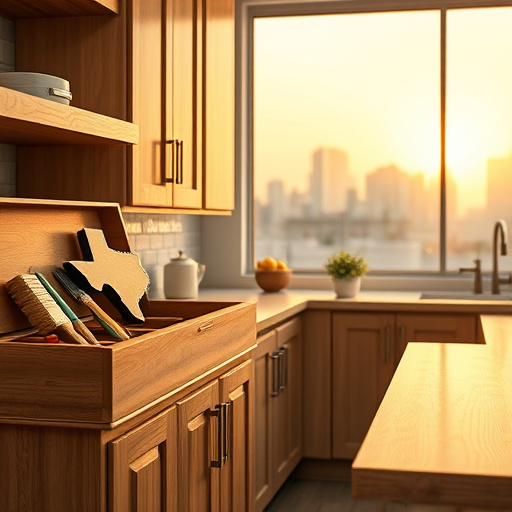
Cabinet Refacing DIY: Easy Steps for a Stunning Upgrade
Introduction: Embracing a Classic Skill for Modern Home Transformation
Throughout the ages, the art of enhancing a home’s beauty and functionality has been regarded as a noble pursuit. Among these crafts, cabinet refacing DIY stands out as a testament to traditional craftsmanship blended with a sprinkle of modern ingenuity. Today, homeowners with a penchant for old-fashioned excellence can embark on a journey to elevate their kitchens and bathrooms through meticulous cabinet revival. Whether you are a seasoned DIY enthusiast or a curious novice, mastering this craft allows you to breathe new life into your living space, all while preserving the timeless elegance of handcrafted design.
What Does It Mean to Master the Art of Cabinet Refacing DIY?
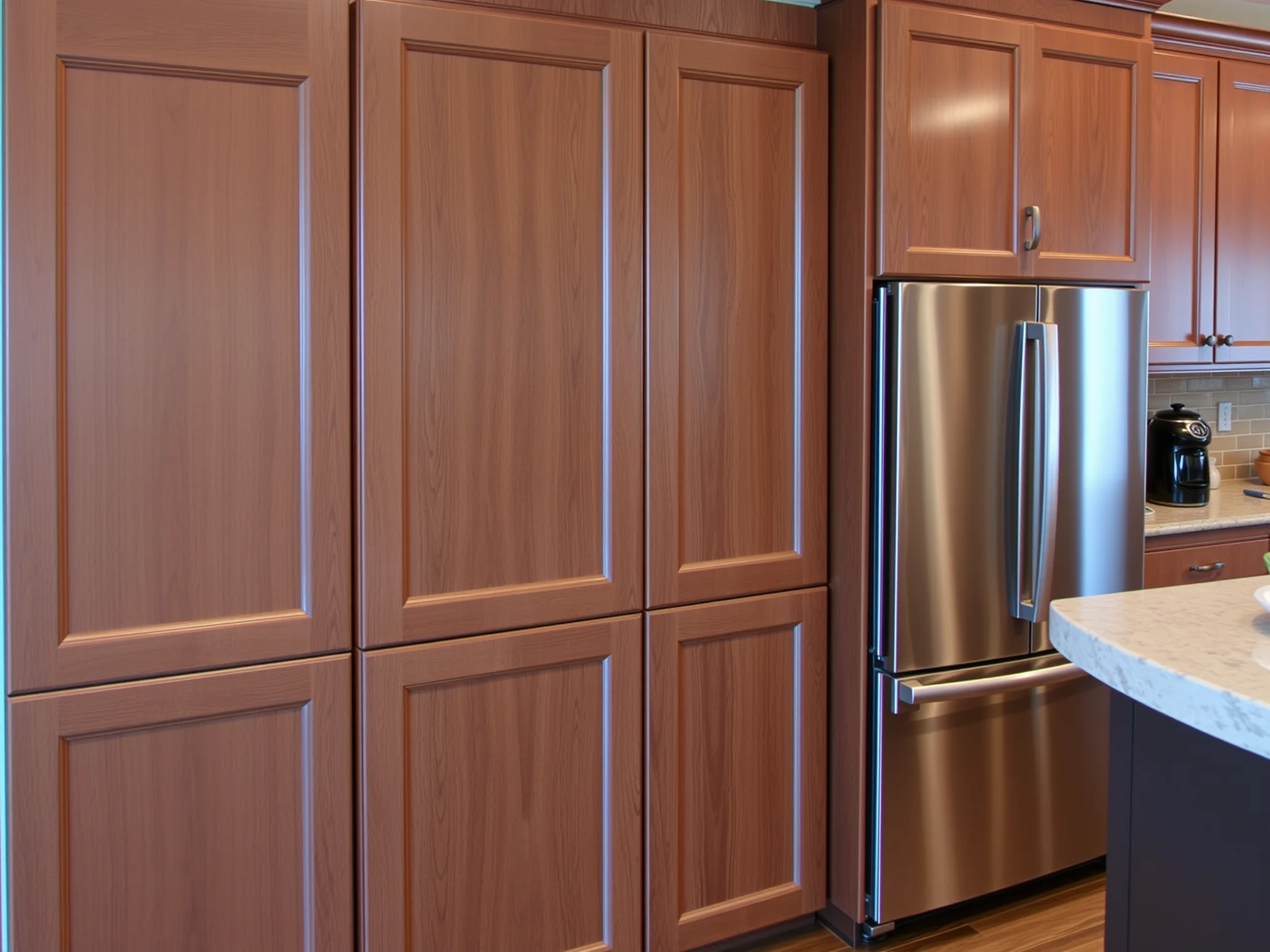
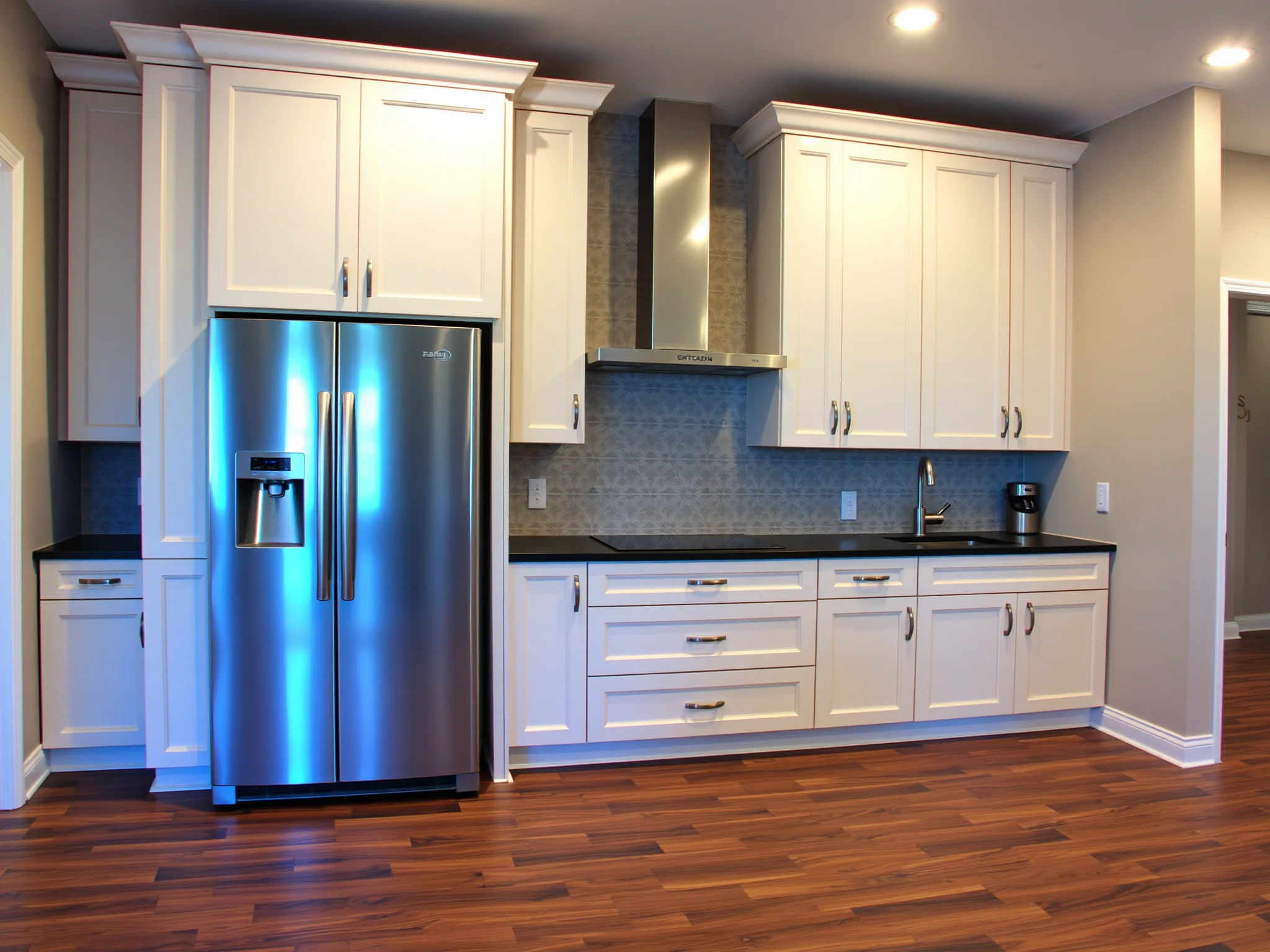
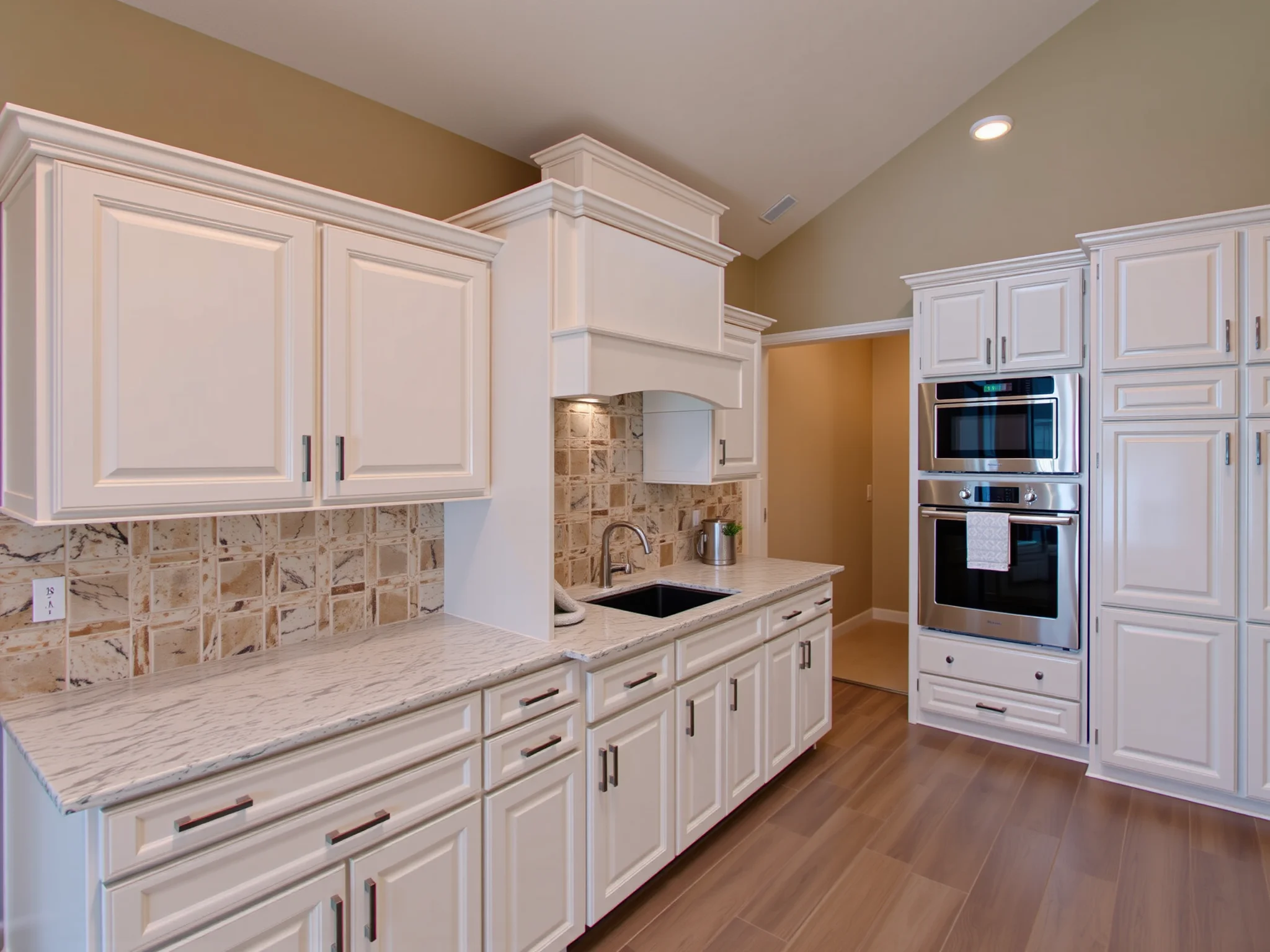
To master cabinet refacing diy is to understand and execute a process that transforms worn or outdated cabinets into stunning focal points of your home. Unlike complete replacement, refacing involves rethinking the exterior surfaces of your cabinets—doors, drawer fronts, and sometimes the sides—without removing the entire framework. This old-fashioned craft requires patience, precision, and an eye for detail, but rewards you with a beautiful, cost-effective renovation that echoes the craftsmanship of yesteryears.
Why Choose Cabinet Refacing Over Replacement?
- Cost-Effectiveness: Save money by refreshing existing cabinets instead of replacing them entirely.
- Preservation of Quality: Maintain the strong, durable framework that’s already in place.
- Preserving Character: Retain the authentic charm and character of your home’s original design.
- Personal Satisfaction: Enjoy the pride that comes with completing a craftsmanship-focused project.
- Environmentally Friendly: Reduce waste by repurposing your current cabinetry.
What Are the Essential Tools and Materials Needed for DIY Cabinet Refacing?
Before diving into your project, gather these trusty tools and materials, echoing the old-time artisans' dedication:
- Sanding blocks and electric sander
- Primer and high-quality paint or stain
- Paint brushes, rollers, and applicators
- Refacing veneers or laminates
- Adhesives suited for wood and laminate surfaces
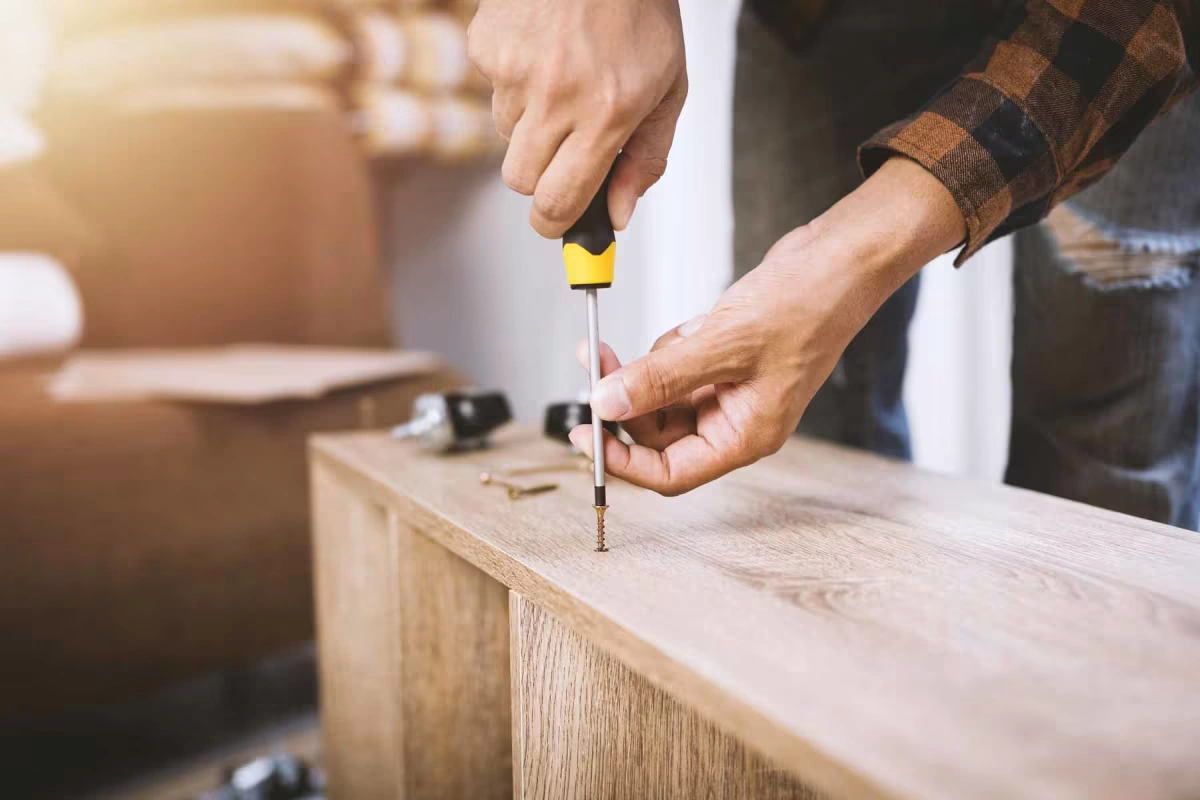
- Clamps, screwdrivers, and chiseling tools
- Protective gear: gloves, masks, and eye protection
Preparation is key. Ensure your workspace is clean, well-ventilated, and free of disturbances. Proper prep work, such as thorough cleaning and sanding, lays the foundation for a successful project and reflects the craftsmanship of a bygone era.
How Do You Choose the Perfect Style and Finish for Your Cabinets?
Drawing inspiration from traditional craftsmanship, choose finishes that complement your home’s style:
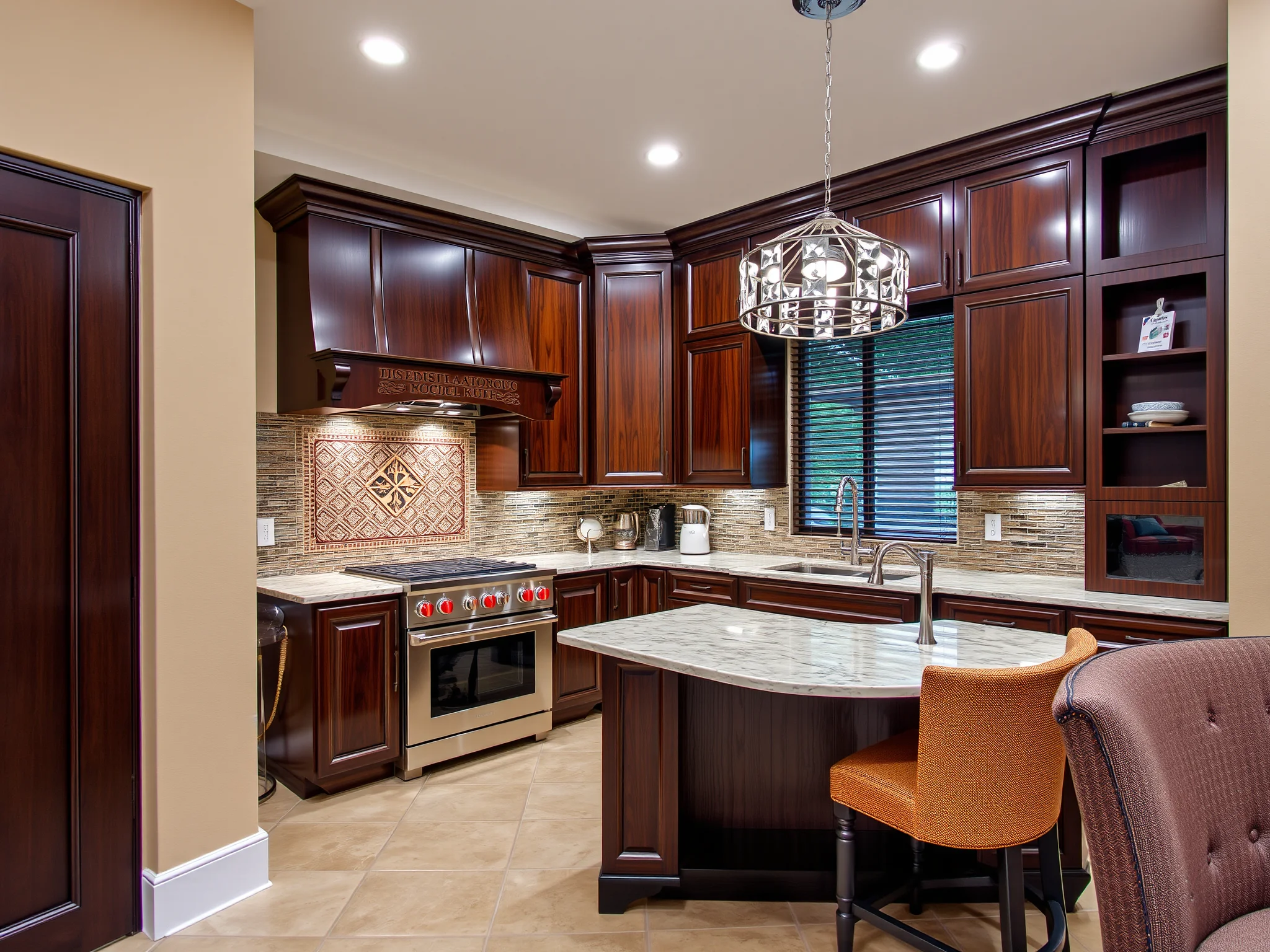
- Cabinet staining for a traditional look emphasizes rich, deep hues reminiscent of old-world elegance.
- Matte or semi-gloss paints provide a timeless appeal aligned with vintage aesthetics.
- Decorative glazing adds depth and character, highlighting intricate details.
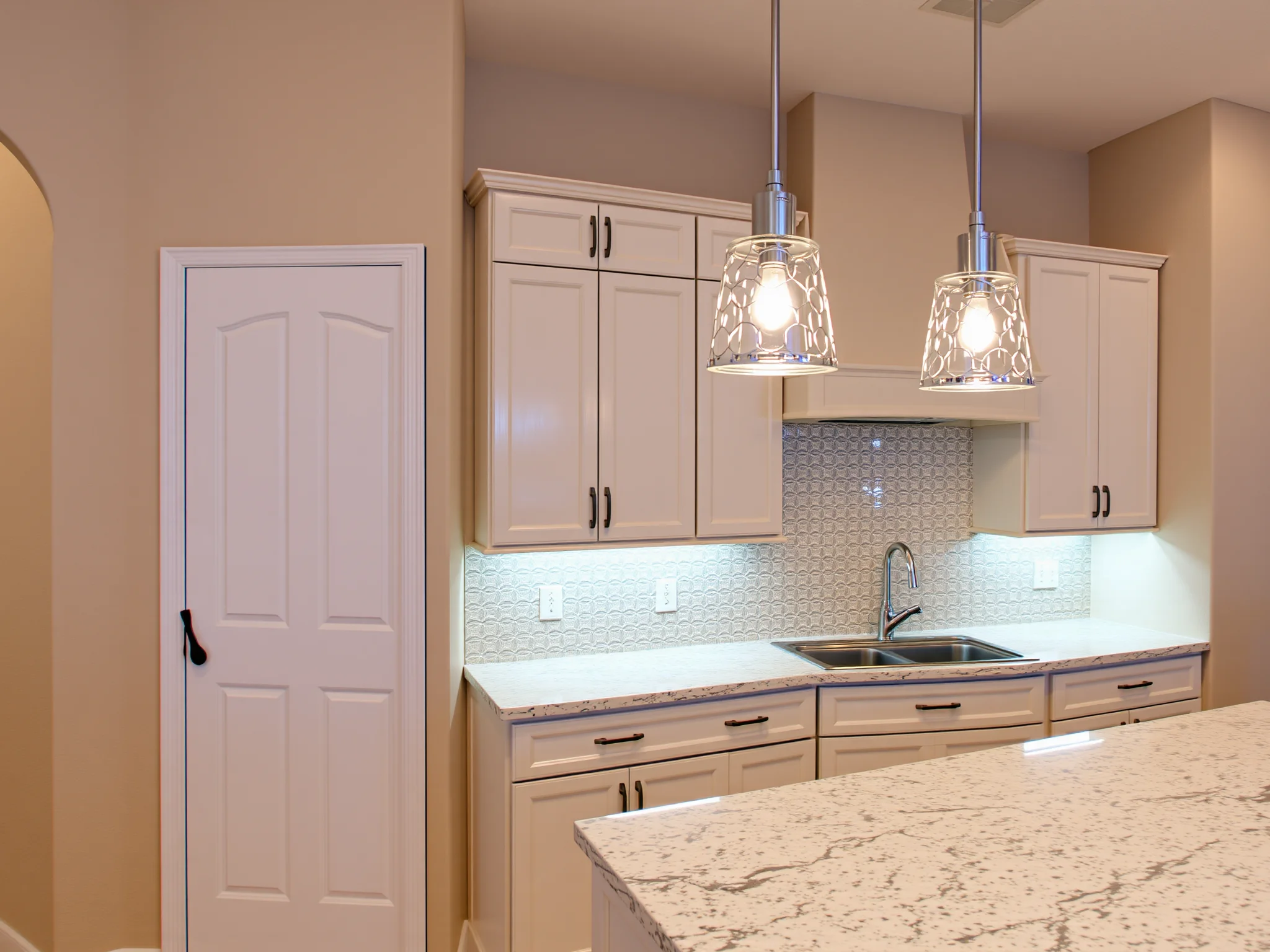
When selecting hardware, opt for fixtures that evoke classical charm. For insight, explore best cabinet hardware for traditional kitchens, offering guidance on finishing touches that elevate your DIY masterpiece.
What Are Step-by-Step Techniques to Achieve a Flawless DIY Cabinet Refacing?
Embrace the patience and meticulousness that define traditional craftsmanship with these detailed steps:
1. Remove Doors and Hardware Carefully
Start by gently detaching doors, drawers, and hardware, cataloging each piece for reinstallation. Preservation aligns with the care given by artisans of old.
2. Sand and Prepare the Surfaces
Lightly sand all surfaces to remove previous finishes, ensuring a smooth substrate for your refinishing materials. Use an electric sander with a medium grit for efficiency, but hand-sand intricate areas for precision.
3. Repair and Fill Imperfections
Fill dents, holes, or cracks with wood filler, allowing it to dry fully. Sand again for a seamless surface that echoes the perfection of traditional craftsmanship.
4. Apply Primer and Paint or Stain
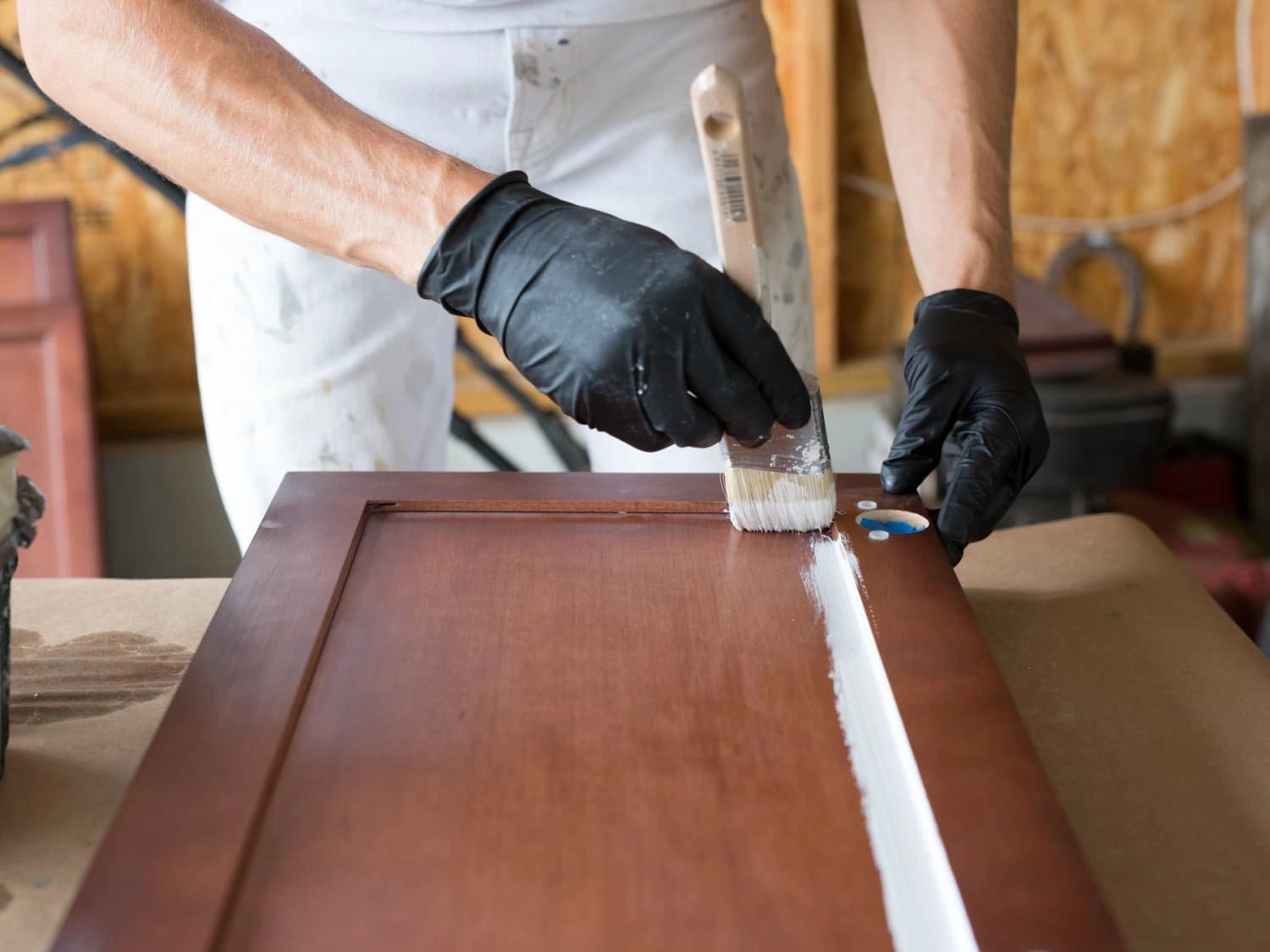
Choose high-quality primer to ensure adhesion and durability. Follow with your selected paint or stain, applying multiple thin coats for an even, professional finish. Patience and patience's old friend—layering—are vital here.
5. Reface with Veneers or Laminates
If upgrading with veneers or laminates, carefully cut and adhere these coverings, pressing out air bubbles and smoothing edges. This is where your artistry shines, transforming ordinary into extraordinary.
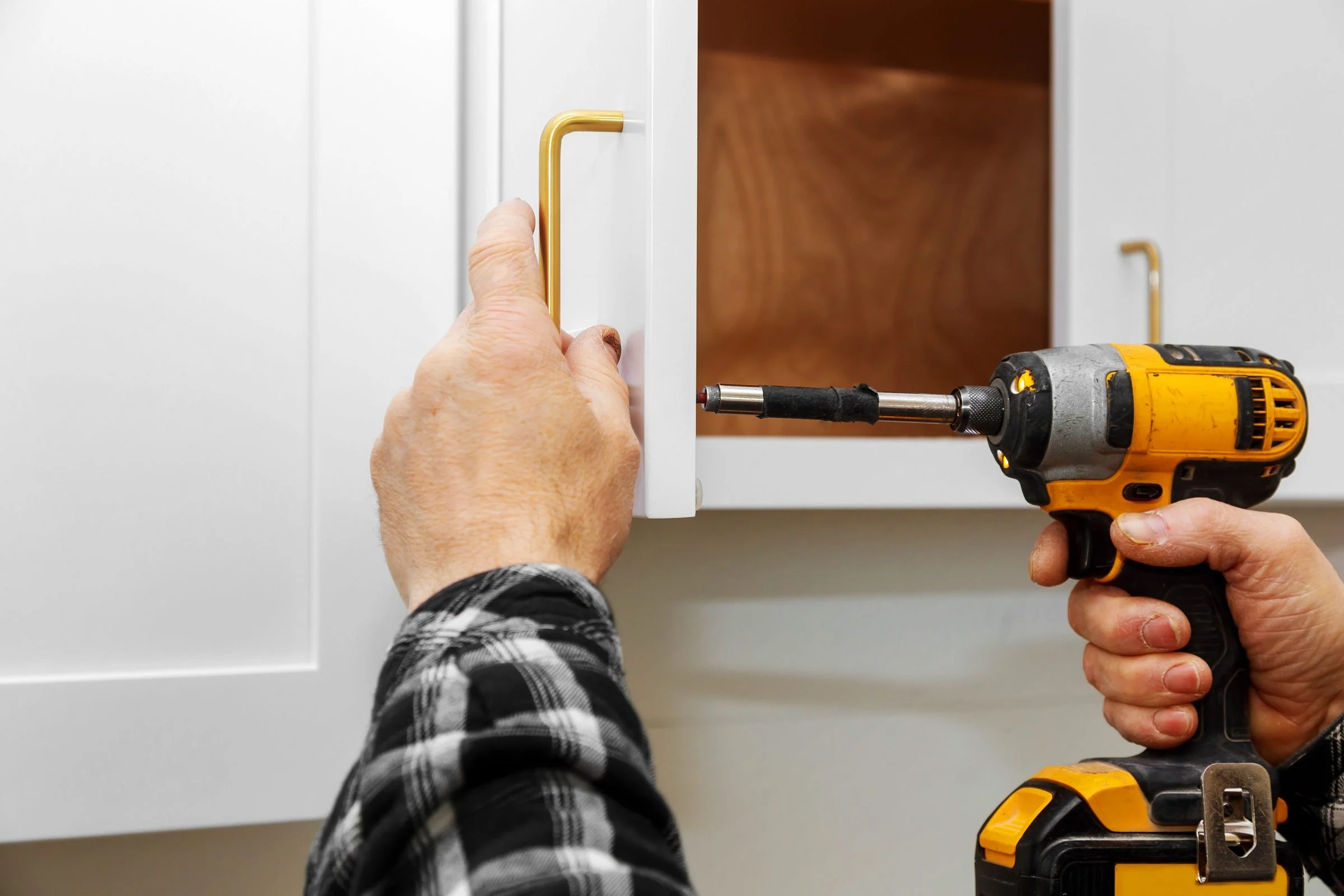
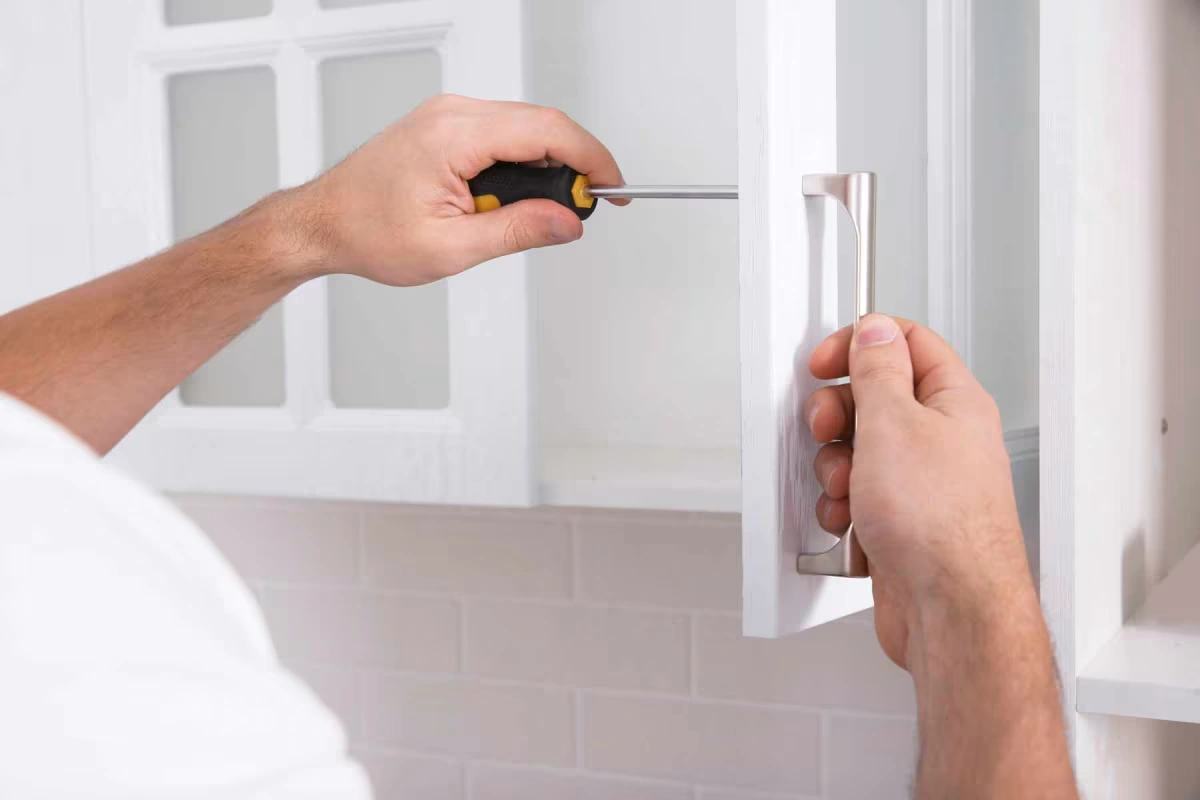
6. Reattach Doors and Hardware
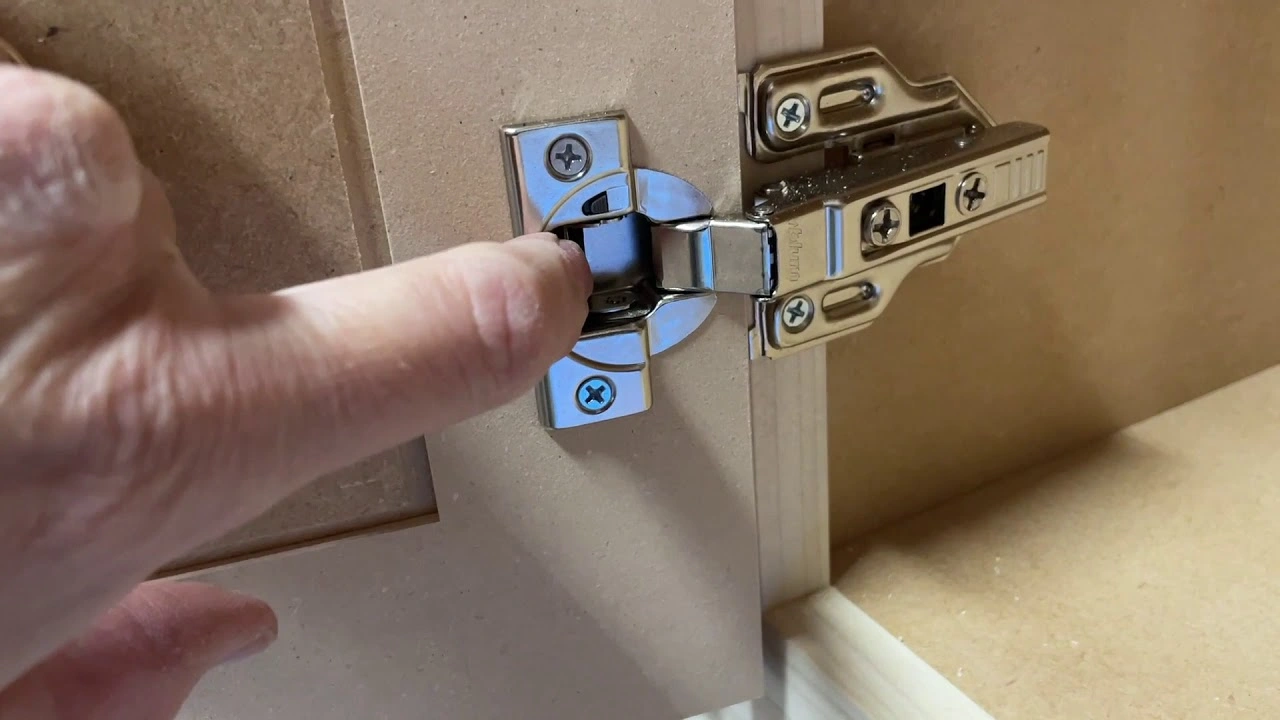
Once finished, reassemble your cabinets, installing hardware that complements your restoration. Secure hinges and handles with care, aligning them for symmetrical beauty.
How Can You Achieve a Heritage Look Through DIY Refacing?
Emulate the craftsmanship of yesteryears by incorporating techniques like antiquing or distressing finishes, giving your cabinets a weathered, vintage appeal. Utilize staining methods that mimic age and patina, such as cabinet staining for a traditional look.
How to Maintain and Care for Your Refinished Cabinets?
Maintain your DIY masterpiece with gentle cleaning routines, avoiding abrasive chemicals. Use soft cloths with mild soap and water, and periodic wax or polish to preserve the shine. Regular upkeep ensures your cabinet refacing remains a tribute to craftsmanship for years to come.
Can You Source Quality Materials and Hardware Locally?
For authentic materials and hardware, explore local suppliers or specialty stores. Connecting with cabinet manufacturers near Frisco, Texas, can provide you with premium components that align with traditional standards.
Frequently Asked Questions (FAQs)
Yes, with patience and careful planning, beginners can successfully refinish cabinets, especially when following traditional techniques and meticulous preparation.
Timeline varies based on the size of your project and your experience, but allocating several weekends ensures thorough work and a polished result.
Absolutely. With the right choice of paints, hardware, and finishing techniques, classic cabinets can be given a contemporary makeover while still respecting their heritage roots.
Common pitfalls include rushing the sanding process, improper alignment of hardware, and neglecting proper prep work. Emulate the old-fashioned craftsman's dedication to detail, ensuring durability and aesthetics.
Conclusion: A Classic Skill for a Lasting Home Transformation
Mastering the cabinet refacing diy craft is more than just a home improvement project—it's a tribute to craftsmanship, patience, and timeless beauty. With the right tools, techniques, and a reverence for traditional methods, you can turn your cabinets into heirloom-quality pieces that enhance your home’s character. Embrace this old-fashioned art, and let your home reflect the enduring charm of classic home restoration—an endeavor that will bring satisfaction and pride for years to come.






:max_bytes(150000):strip_icc()/TAL-the-star-frisco-texas-FRISCOTX0223-5fb5e2ddde5a431e8072e46cbc504b63.jpg)


