
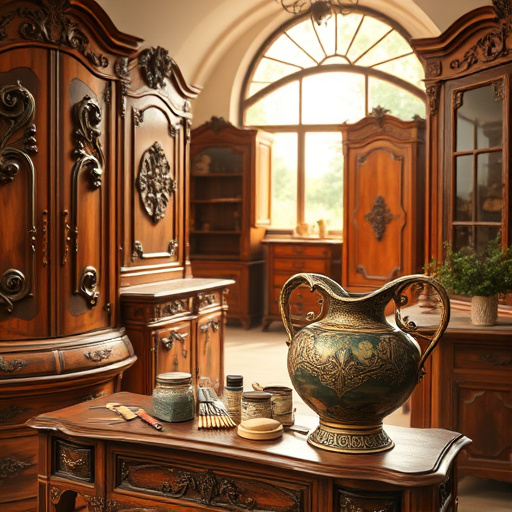
Cabinet Staining and Restoration for Antiques Service Guide
What Makes Proper Cabinet Staining and Restoration for Antiques Essential?
Antique cabinets carry a unique charm and history that can be lost through neglect or improper refinishing. Restoring these pieces with quality cabinet staining and restoration techniques not only preserves their beauty but also increases their lifespan. Whether you're a homeowner aiming to revitalize a cherished heirloom or a collector ensuring your antique’s integrity, understanding the process is key. Proper restoration highlights the natural wood grain, restores original color, and enhances the overall appearance, making your antique furniture a timeless centerpiece.
How Do You Prepare Antique Cabinets for Staining and Restoration?
Preparation is the cornerstone of successful cabinet restoration. Begin by carefully cleaning the surface to remove dust, grease, or old finishes. Use a gentle cleaner suitable for antiques to avoid damaging delicate veneers or finishes. Next, assess the condition of the wood—look for cracks, chips, or areas of rot that require repair. Sanding should be done cautiously, using fine-grit sandpaper to smooth the surface without stripping away original details. For veneered surfaces, consider lighter sanding to retain the veneer integrity.
For detailed guidance on refinishing with veneer, visit refinishing cabinets with veneer. This resource offers tailored advice for preserving intricate wood surfaces during restoration projects.
What Are the Best Techniques for Achieving a Beautiful Stain on Antique Cabinets?
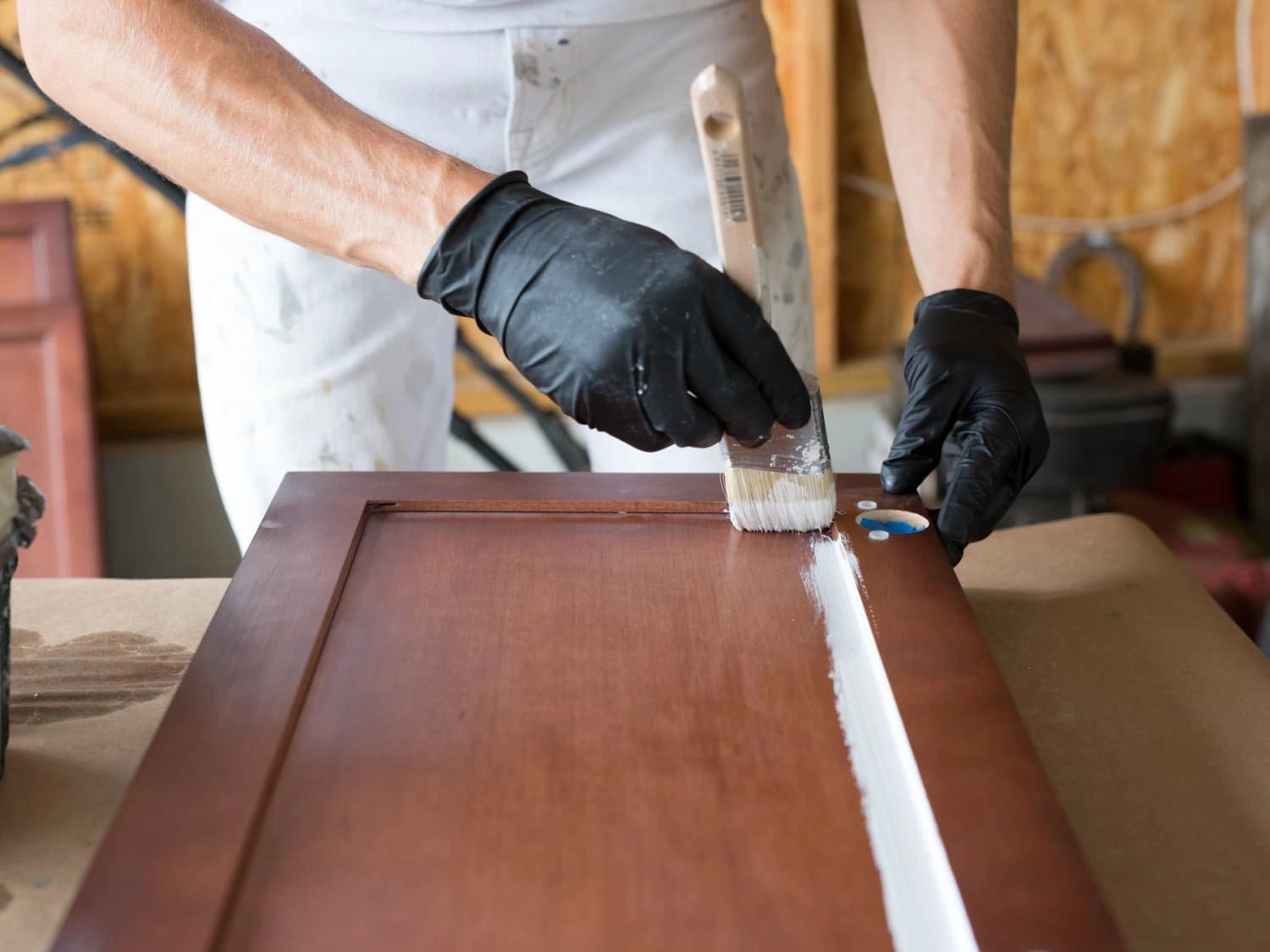
Applying stain to antique cabinets requires finesse. First, choose a stain that complements the original wood tone or matches your desired look. Always test the stain on a hidden area to see how the wood reacts. When applying, use a clean, lint-free cloth or brush, applying evenly to avoid streaks. Wipe excess stain within a few minutes to prevent blotching. Multiple light coats yield a richer, more uniform color than a single heavy coat. For a more natural finish that emphasizes the wood grain, consider transparent or semi-transparent stains.
How Can You Restore the Finish Without Compromising the Antique’s Value?
Restoring the finish while maintaining the value of antiques requires a delicate touch. Mechanical stripping can sometimes damage delicate surfaces, so consider chemical strippers formulated for antiques. Always follow manufacturer instructions and work in a well-ventilated area. After removing the old finish, lightly sand to smooth imperfections. Use high-quality wood finishes or oils that enhance the original look without overpowering it. If in doubt, consulting with a professional can help preserve the antique’s provenance while achieving a refreshed appearance.
What Are Common Challenges When Restoring Antique Cabinets?
Veneers and inlays add intricate detail to many antiques but are particularly vulnerable during restoration. If the veneer is lifting or damaged, carefully glue it back down using appropriate adhesive, avoiding excessive moisture. For missing veneer sections, matching the grain and color is essential. Consider professional help for complex repairs to ensure that restorative actions don’t diminish the piece’s value.
To alter the wood tone, you can stain darker or use bleaching agents for lighter finishes. Always apply any chemical treatments cautiously, testing on small areas first. Follow up with protective sealants to lock in the color change and provide durability. For subtle adjustments, tinted finishes or wood toners are excellent choices, allowing you to refine the shade gradually without overwhelming the piece.
Why Is Choosing the Right Finish Important in Antique Restoration?
The finish adds the final touch, protecting the wood and enhancing its appearance. Historically accurate finishes, such as shellac or lacquer, can preserve the antique’s authenticity. Modern options like polyurethane or varnish offer durability but should be applied carefully to avoid an overly modern look. For expert insight, check out local kitchen cabinet painters for tips on achieving durable yet authentic finishes tailored for antiques.
How Do You Maintain Your Restored Antique Cabinets for Longevity?
Proper maintenance extends the life of your restoration work. Regular dusting with a soft cloth prevents buildup, while occasionally cleaning with a gentle wood cleaner preserves the finish. Avoid harsh chemicals or abrasive pads that can damage delicate surfaces. Applying wax or polish designed for antique furniture can help maintain sheen and protect against moisture. A consistent, gentle care routine ensures your antique cabinets remain as stunning as the day they were restored.
Can You Find Supplies and Expert Help for Your Antique Cabinet Restoration?
Yes, sourcing the right supplies is crucial. Many suppliers provide high-quality stains, finishes, and tools specifically for antique furniture. For local options, consider checking out apartment kitchen cabinet suppliers in Allen, Texas. Additionally, working with experienced professionals can ensure the best results. Professional refinishing services understand the nuances of antique restoration and can help preserve the history and character of your furniture.
What Are Some Key Considerations Before Starting a Restoration Project?
- Assess the antique's condition: Understand what repairs or treatments are necessary.
- Determine your goals: Decide whether to restore original characteristics or adapt the piece to a new style.
- Budget and timeline: Antiques restoration is an investment of time and resources. Plan accordingly.
- Research historical finishes: Knowledge about original finishes helps maintain authenticity.
- Consult professionals: When in doubt, seek expert advice to avoid costly mistakes.
Frequently Asked Questions about Cabinet Staining and Restoration for Antiques
Not always. In some cases, light cleaning and sanding suffice, especially if the old finish is in good condition. However, heavily damaged or outdated finishes often require chemical stripping to ensure a smooth, clean surface for staining or sealing.
Select a stain that complements the original wood or enhances its character. Testing on a hidden area helps you visualize the final result. For a more authentic look, consult with restoration experts or reference historical images of similar pieces.
Simple touch-ups and cleaning can be DIY projects, but complex restoration involving veneers, inlays, or significant damage is best handled by professionals. A skilled restorer ensures the preservation of value and historical integrity.
Conclusion
Cabinet staining and restoration for antiques is a rewarding journey that combines craftsmanship with appreciation for history. Whether you’re restoring a family heirloom or a vintage find, the right techniques and careful attention to detail will bring out the natural beauty of your piece. Remember to prioritize preservation, choose quality materials, and seek expert advice when needed. With patience and precision, your antique cabinets can be transformed into stunning focal points that tell their story for generations to come.







:max_bytes(150000):strip_icc()/TAL-the-star-frisco-texas-FRISCOTX0223-5fb5e2ddde5a431e8072e46cbc504b63.jpg)


