
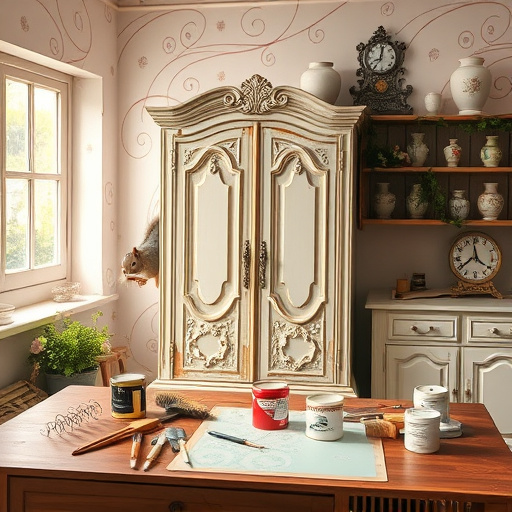
Eco-Friendly Cabinet Restoration Methods for Sustainable Homes
How Are Eco-friendly Cabinet Restoration Methods Revolutionizing Sustainable Home Design?
In recent years, the growing focus on sustainability has prompted homeowners and professionals alike to seek environmentally conscious alternatives to traditional renovation processes. When it comes to transforming your kitchen or bathroom, cabinet restoration remains one of the most impactful areas. Eco-friendly cabinet restoration methods not only preserve the aesthetic appeal of your cabinetry but also significantly reduce environmental impact, aligning with broader objectives of sustainable living.
These innovative approaches fuse advanced environmentally safe materials, minimal waste techniques, and energy-efficient practices, creating a new standard for responsible home improvement. By integrating these methods, you're actively participating in reducing volatile organic compounds (VOCs), conserving natural resources, and lowering your carbon footprint.
What Are the Core Principles Behind Eco-friendly Cabinet Restoration?
Understanding the foundational principles of eco-friendly cabinet restoration helps homeowners make informed decisions. These core principles include:
- Use of Low-VOC or VOC-Free Products: Ensuring that paints, stains, and sealants emit minimal or no harmful fumes.
- Utilization of Sustainable Materials: Choosing reclaimed, recycled, or sustainably sourced woods and hardware.
- Minimization of Waste: Employing techniques that maximize material usage and reduce landfill contributions.
- Energy Efficiency: Implementing practices that lower energy consumption during the restoration process.
Adherence to these principles results in a healthier indoor environment and promotes overall ecological responsibility, setting your home apart as a beacon of green living.
What Are Some Innovative Eco-friendly Cabinet Restoration Techniques?
Absolutely. Water-based finishes have gained prominence for their low VOC content and quick drying times. These finishes provide a sleek, durable surface for cabinets without emitting harmful fumes, making them safer for both the environment and your family. Modern formulations often boast superior adherence and resilience, rivaling traditional oil-based options.
Reclaimed and recycled materials play a pivotal role in eco-friendly preservation. Restoring cabinets with reclaimed wood not only lends unique character and history but also reduces demand for virgin timber, conserving forests. Recycled hardware, such as handles and hinges, further minimizes waste and environmental footprint. Incorporating these elements into your project aligns perfectly with sustainable design principles.
Zero-waste techniques prioritize maximizing material utilization and minimizing discard. For instance, precision sanding and cutting can limit scrap waste, while converting leftover paint into touch-up formulas or secondary projects ensures full material utilization. Additionally, many eco-conscious professionals now employ digital design tools to prevent over-ordering and reduce excess supplies.
Why Is Environmentally Friendly Cabinet Refinishing Better Than Traditional Methods?
Traditional cabinet refinishing often relies on solvent-laden paints, chemical strippers, and energy-intensive processes, which pose health hazards and environmental risks. Conversely, eco-friendly methods emphasize safety, sustainability, and long-term benefits. These include lower chemical emissions, less waste generation, and the use of renewable resources, ultimately fostering healthier indoor air quality and reducing ecological strain.
How Can You Incorporate Eco-friendly Cabinet Restoration in Your Home?
Begin by selecting qualified professionals experienced in eco-friendly practices, such as specialists from Hollywood Cabinet Refinishing. It’s crucial to choose finishes and materials with low VOC content. Prioritize options like reclaimed wood or recycled hardware. Planning your project meticulously to minimize waste and selecting energy-efficient tools further enhances sustainability.
Yes. Opting for timeless, durable designs reduces the need for frequent replacements, conserving resources long-term. Adding features like custom cabinets from custom cabinets can ensure a perfect fit and reduce material waste. Also, integrating eco-friendly enhancements such as energy-efficient lighting or sustainable countertops complements your green cabinetry efforts.
What Are the Benefits of Choosing Eco-friendly Cabinet Restoration?
- Healthier Indoor Environment: Reduced chemical emissions improve air quality.
- Long-term Cost Savings: Increased durability and energy efficiency lower ongoing expenses.
- Environmental Conservation: Supporting sustainable forestry and recycling initiatives.
- Enhanced Home Value: Eco-conscious renovations appeal to increasingly environmentally aware buyers.
How Do Eco-friendly Cabinet Restoration Methods Contribute to a Sustainable Lifestyle?
Implementing these methods aligns your home with global sustainability goals. It reduces dependency on non-renewable resources, minimizes waste in landfills, and encourages the use of green materials. Moreover, such practices inspire community awareness and respect for the environment, fostering a broader movement toward responsible living.
Can I Refinish Old Cabinets Using Eco-friendly Methods?
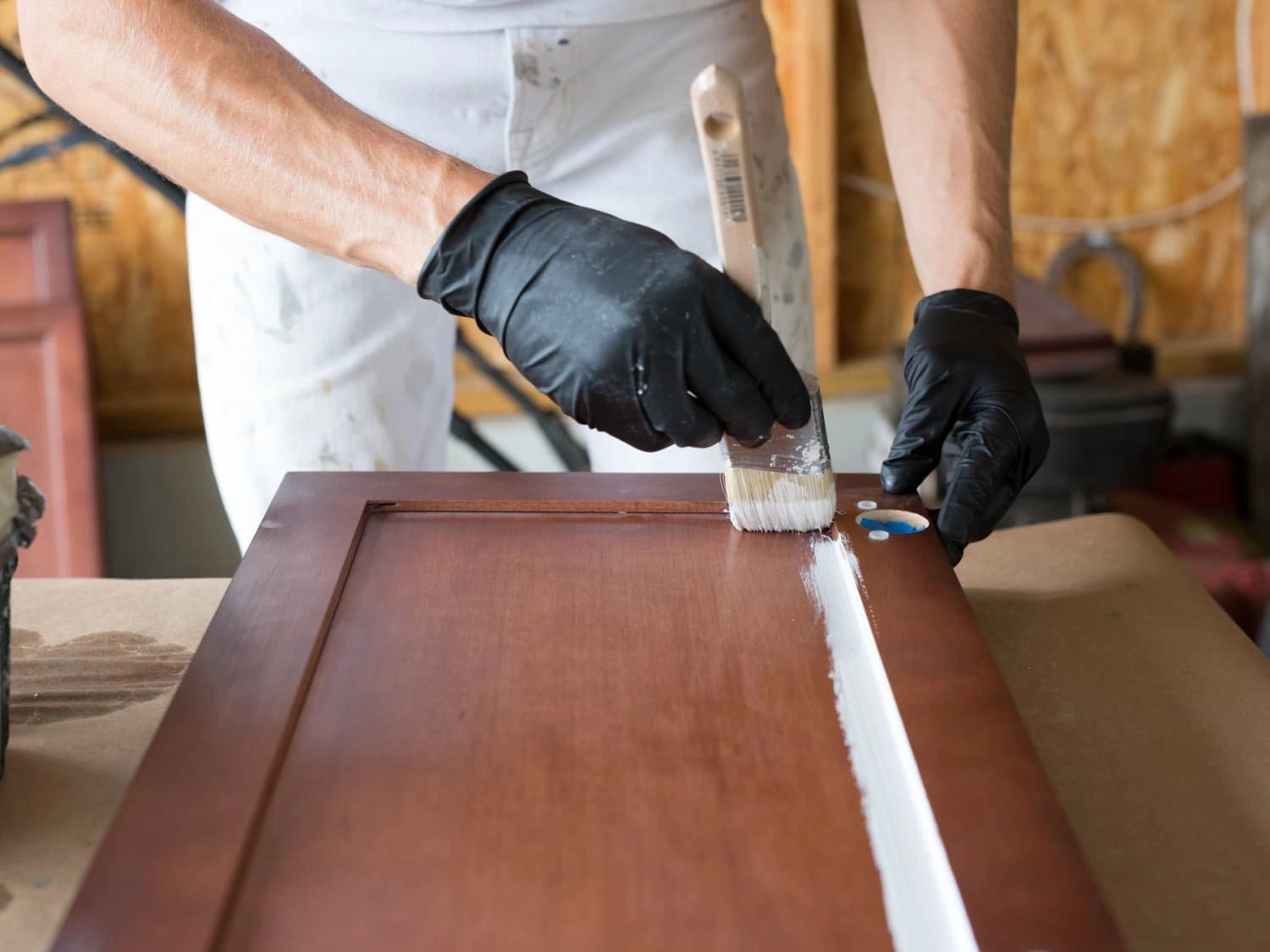
Yes, refinishing old cabinets can be achieved sustainably. Start by removing them carefully to prevent unnecessary damage, and use eco-friendly stripping agents instead of harsh chemical strippers. Light sanding, followed by applying water-based or plant-based stains and finishes, restores the cabinets with minimal environmental impact. For detailed guidance, check out how to refinish old cabinets.
What Role Does Local Sourcing Play in Eco-friendly Cabinet Restoration?
Sourcing materials locally reduces transportation emissions and supports regional economies. It also ensures that materials meet local environmental standards and qualities. Choosing local suppliers, such as those listed in best cabinet suppliers in Celina, Texas, ensures quality and sustainability are prioritized from start to finish.
How Can You Enhance the Eco-friendly Cabinet Restoration Process with Advanced Techniques?
Incorporating techniques like low-temperature curing and utilizing energy-efficient tools accelerates projects while minimizing energy use. Additionally, modern digital design tools help visualize the project accurately, reducing waste and ensuring precise material orders. These advancements reflect a commitment to innovation within eco-conscious renovation paradigms.
What Are Frequently Asked Questions About Eco-friendly Cabinet Restoration?
Modern eco-friendly finishes today are formulated to match or surpass the durability of traditional products, ensuring long-lasting beauty and protection. Proper application and maintenance further extend their lifespan, providing a sustainable choice for homeowners seeking longevity.
Absolutely. Eco-friendly methods are scalable and can be integrated into extensive renovation projects. From strategic planning to selecting the right materials and finishes, professionals can tailor solutions to meet the scope of large projects without compromising sustainability principles.
Regular cleaning with non-toxic cleaners, avoiding abrasive brushes, and addressing spills promptly help maintain their integrity. Additionally, periodic inspections and touch-ups with environmentally safe products prolong cabinet life and preserve their eco-friendly qualities.
Conclusion: Embrace Sustainability with Innovative Eco-friendly Cabinet Restoration
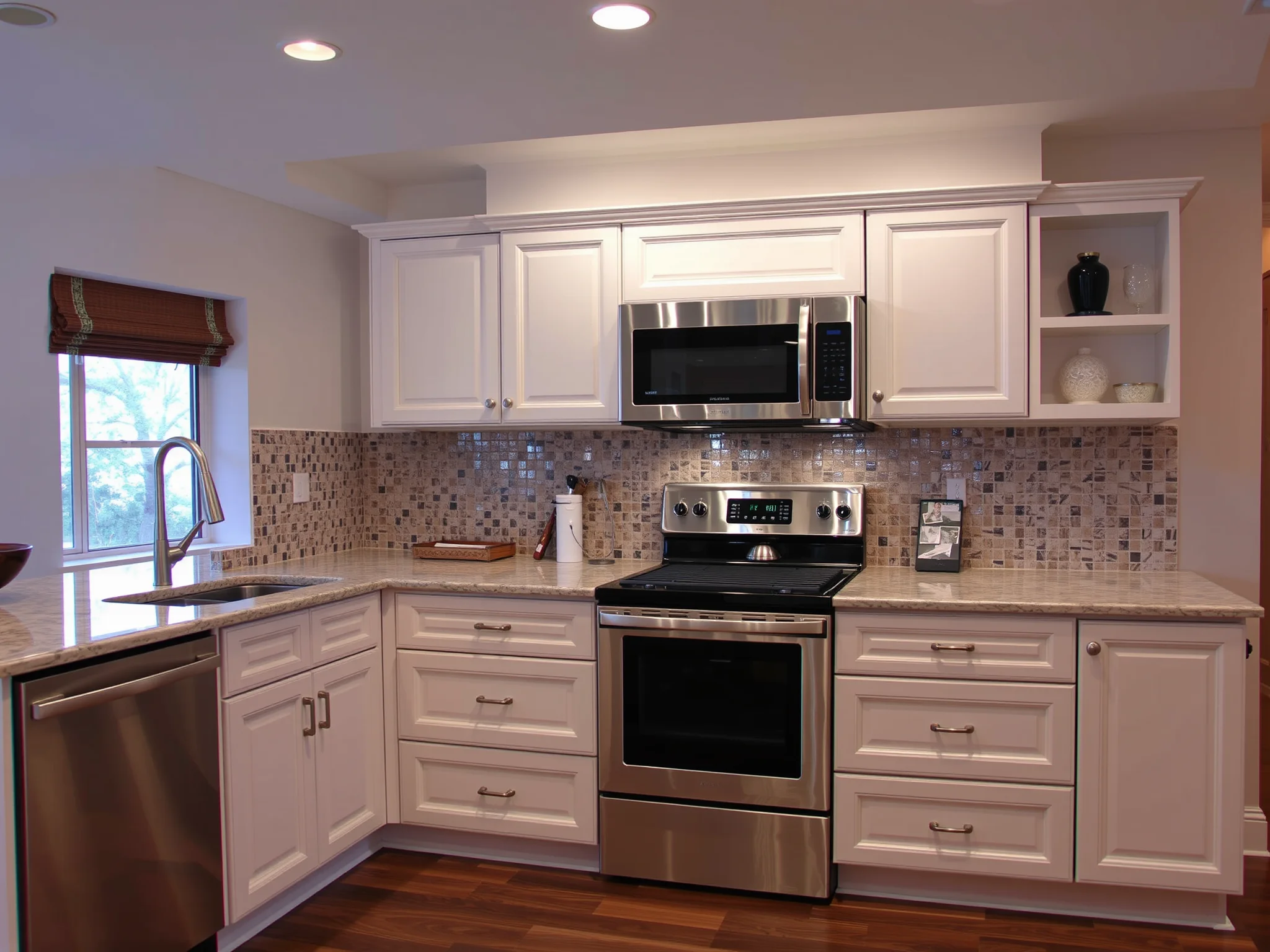
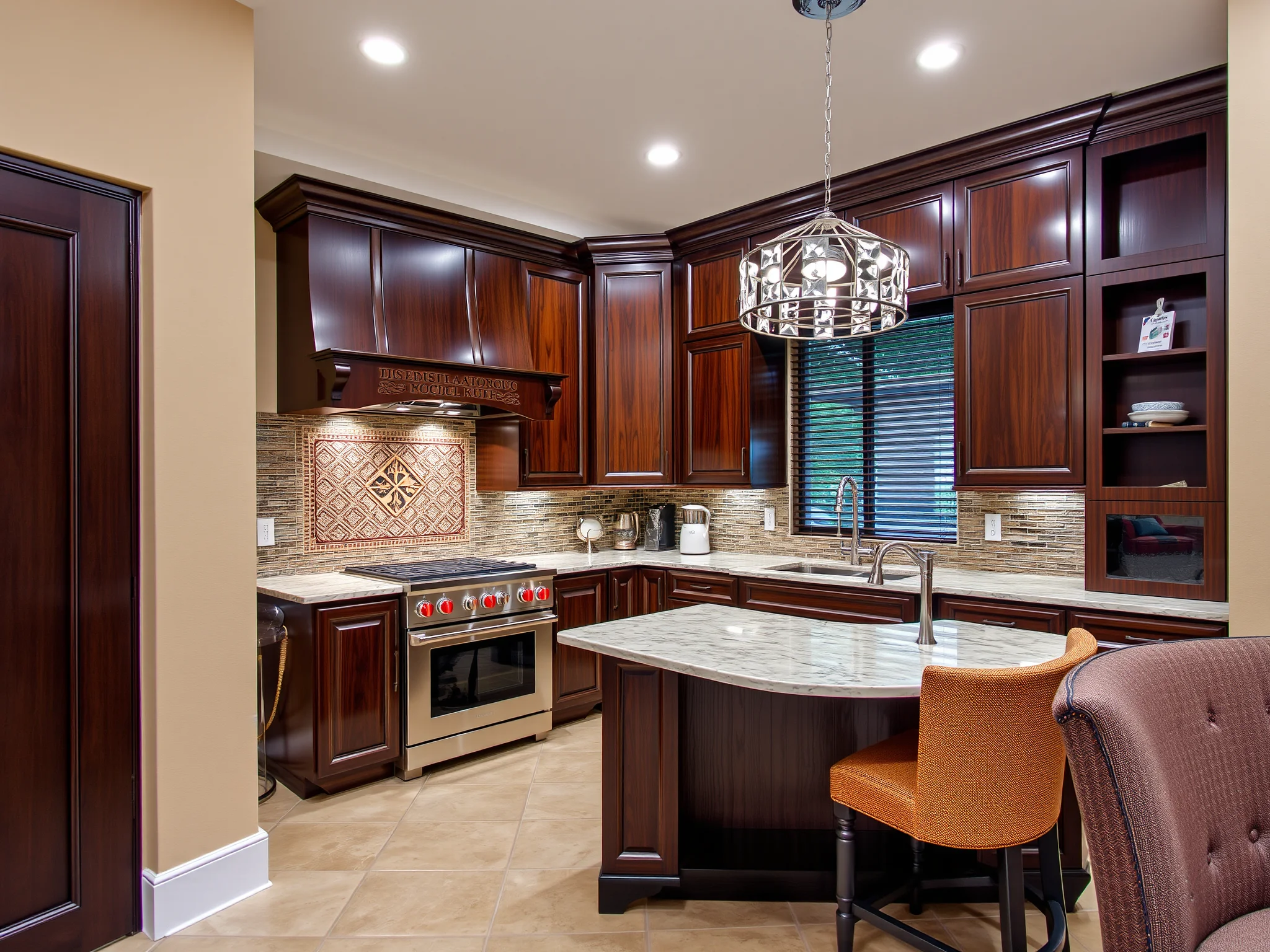
Transforming your home through eco-friendly cabinet restoration methods is a meaningful commitment to sustainability, health, and aesthetic excellence. By choosing low-impact materials, innovative techniques, and working with knowledgeable professionals, you pave the way for a greener, more responsible living space. Whether you're updating a single cabinet or undertaking a full kitchen overhaul, these practices ensure your renovation aligns with ecological values and modern design sensibilities.
Explore more about how to integrate these sustainable techniques by connecting with experts in your region or visiting trusted resources for inspiration and guidance. Your eco-conscious choices today will shape a healthier home and planet tomorrow.







:max_bytes(150000):strip_icc()/TAL-the-star-frisco-texas-FRISCOTX0223-5fb5e2ddde5a431e8072e46cbc504b63.jpg)


