
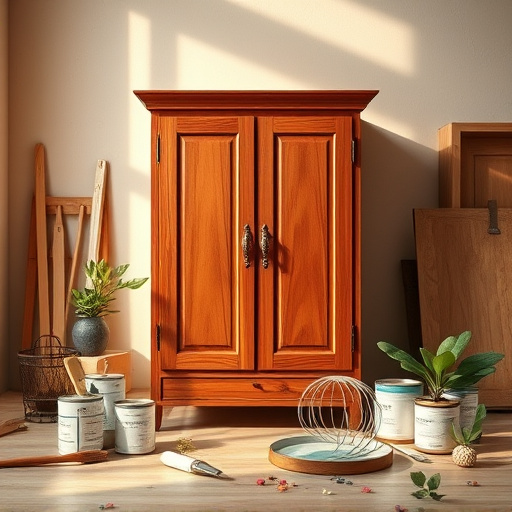
How to Fix Peeling Cabinet Veneer: Easy Repair Tips Guide
How to Fix Peeling Cabinet Veneer: Step-by-Step Guide for a Flawless Finish
Peeling cabinet veneer is a common issue faced by homeowners seeking to maintain the beauty and functionality of their kitchen or bathroom cabinets. If left unaddressed, it can lead to further damage, decreased home value, and an unsightly appearance. Fortunately, fixing peeling veneer is entirely doable with the right approach. At Hollywood Cabinet Refinishing, we bring expert insights to help you restore your cabinets to a flawless state, saving you money and the hassle of complete replacement.
What Causes Peeling Cabinet Veneer, and How Can You Prevent It?
Veneer can peel due to factors such as excessive moisture, poor initial application, temperature fluctuations, or general wear and tear. Water infiltration is often the primary culprit, especially in kitchens with high humidity or leaks. Additionally, aging adhesives and exposure to harsh cleaning chemicals can weaken the veneer’s bond, leading to peeling.
Prevention starts with proper installation and ongoing maintenance. Use high-quality adhesives during initial bonding, and apply a sealant or protective topcoat to guards against moisture. Regularly clean cabinets with gentle cleaners, and avoid excessive water contact. Ensuring good ventilation in your kitchen or bathroom also reduces humidity levels, helping preserve your veneer finish.
What Tools and Materials Do You Need to Fix Peeling Cabinet Veneer?
- Putty knife or scraper
- Fine-grit sandpaper (220-grit)
- Wood glue or veneer adhesive
- Clamps or weights
- Replacement veneer strips (if necessary)
- Cleaning supplies (mild soap and water)
- Sealant or clear protective finish
- Paintbrush or roller
- Drop cloths or plastic sheeting to protect surrounding surfaces
How Do You Prepare the Surface for Veneer Repair?
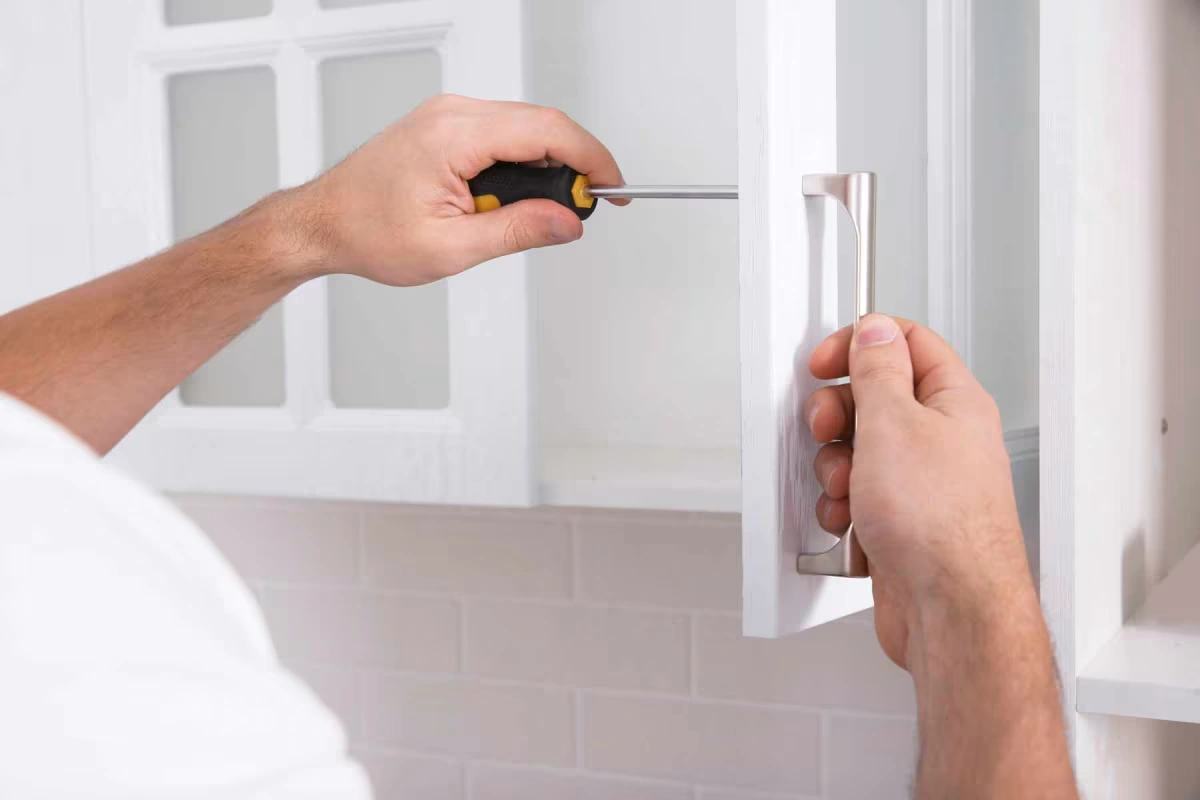
Preparation is key to a durable and seamless repair. First, gently lift any loose veneer using a putty knife or scraper, being careful not to damage the underlying substrate. Clean the surface thoroughly with a mild soap and water solution to remove grease, dirt, and grime, then let it dry completely. Lightly sand the area with fine-grit sandpaper to create a smooth, adhesive-friendly surface that allows the new adhesive to bond effectively. It’s also advisable to remove any remaining peeling bits to ensure a flush finish.
How Do You Reattach Peeling Veneer Properly?
Follow these precise steps for a secure fix:
- Apply Adhesive: Spread a thin, even layer of wood glue or veneer adhesive to the back of the peeling veneer and the substrate using a brush or roller. Make sure to cover the entire peeling area for maximum bonding.
- Position the Veneer: Carefully press the veneer back in place, aligning it properly with adjacent sections to ensure a seamless look.
- Clamp or Weight: Use clamps or place weights on the veneer to hold it in position while the adhesive cures. Follow the adhesive manufacturer’s recommended drying time—typically 24 hours.
- Clean Excess Adhesive: Wipe away any excess glue that seeps out using a damp cloth before it dries, preventing unsightly residue.
What Are the Best Techniques for Repairing Damaged or Severely Peeling Veneer?
If the veneer is extensively warped or has lost large sections, repair may not suffice. In such cases, replacing the damaged sections with new veneer is often the best option. For minor peeling and cracks, however, spot repairs work well and are cost-effective.
How Can You Achieve a Seamless Finish After Repair?
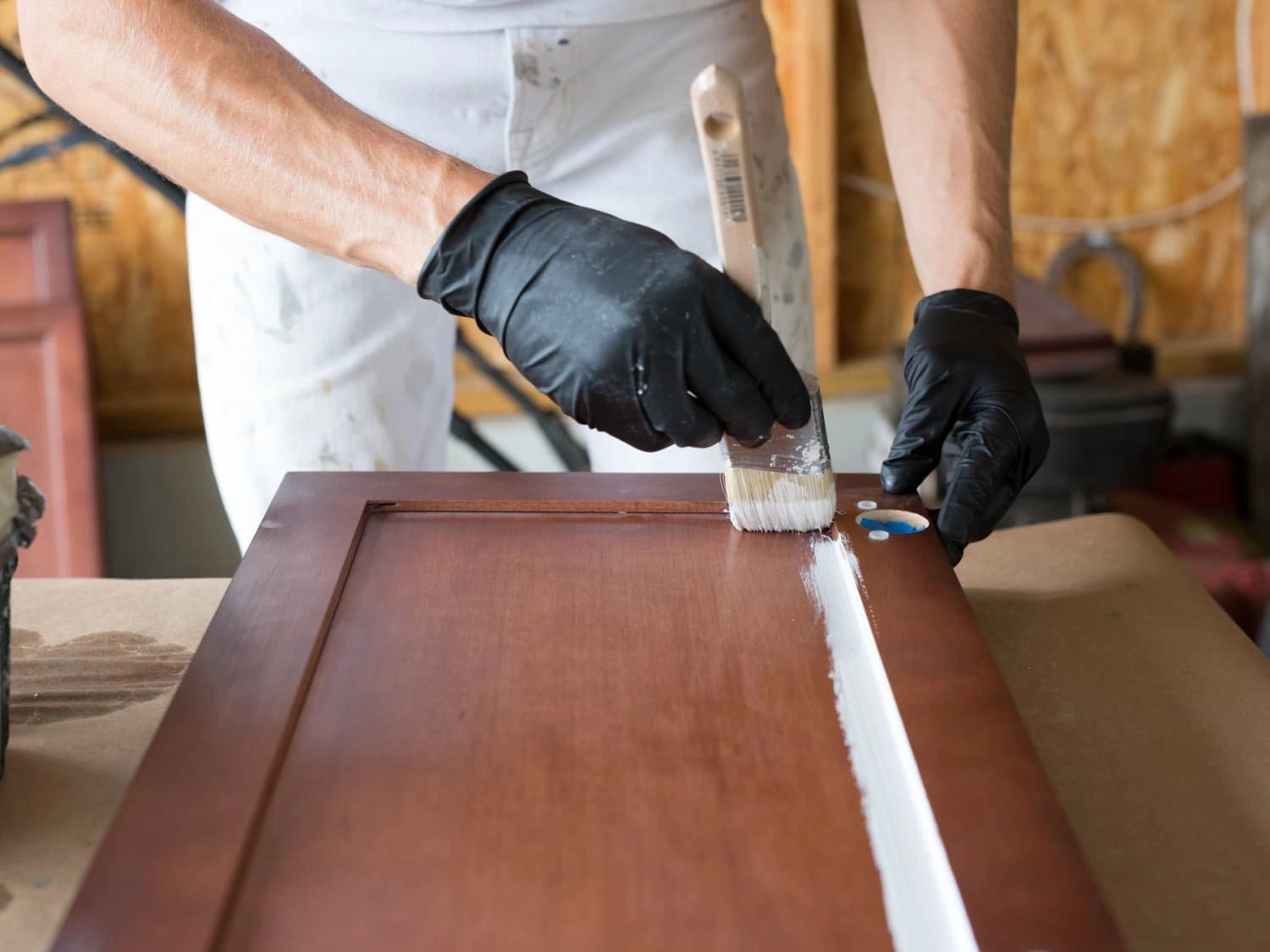
Once the veneer is securely reattached, sand the edges lightly to blend with the surrounding surface. Apply a matching stain or paint to match your cabinets' color palette. If you're unsure about the right color, check out our guide on best color for kitchen cabinets. For added durability, seal the repaired area with a clear protective finish or polyurethane, which helps prevent future peeling and moisture intrusion.
Can You Restore or Refinish Cabinets with Peeling Veneer?
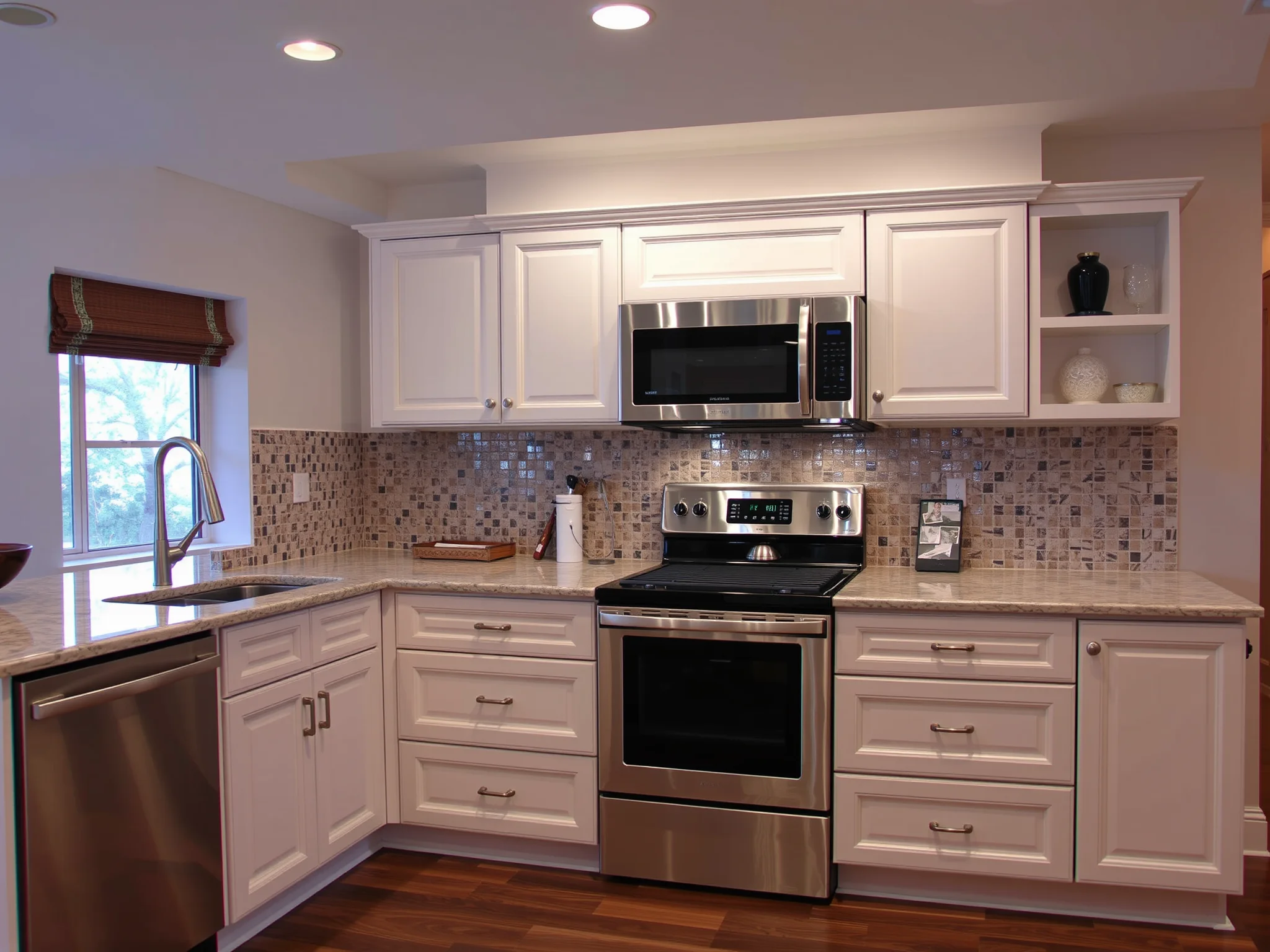
Absolutely. If your cabinets are structurally sound but cosmetically damaged, refinishing can breathe new life into them. Consider cabinet refinishing with chalk paint for a trendy, matte finish or a professional repainting for a sleek appearance. Refinishing not only covers imperfections but also enhances the overall aesthetic of your cabinetry.
When Should You Call a Professional for Veneer Repair?
If the peeling veneer is extensive, involves structural damage, or you lack the tools or experience to perform a proper repair, consulting a professional is advisable. Expert refinishing services can accurately assess the damage and provide durable solutions that ensure your cabinets look brand new. Professional cabinet refinishers can also help you select the best materials and finish options to match your style and preferences.
How Long Does the Repair Process Typically Take?
The repair duration depends on the extent of the damage and whether any replacement is necessary. Minor fixes can often be completed within a day, whereas extensive repairs or refinishing projects may take several days. Planning your schedule accordingly ensures a smooth process and the best possible outcome.
What Are Some DIY Tips for Maintaining Repaired Cabinets?
- Use gentle cleaning agents designed for cabinetry—avoid abrasive scrubbing brushes or harsh chemicals.
- Implement consistent ventilation to reduce indoor humidity levels.
- Apply protective sealants regularly to prolong the life of your veneer repairs.
- Address water leaks or spills immediately to prevent future peeling.
Frequently Asked Questions (FAQs)
Yes, most of the time, peeling veneer can be repaired through reattachment, patching, or refinishing, avoiding the need for cabinet replacement.
If properly done with quality materials and techniques, a veneer repair can last for several years, but ongoing maintenance is key to longevity.
High-quality wood glues or specialized veneer adhesives are recommended. For best results, choose products designed specifically for cabinetry repair or veneer bonding.
Conclusion: Take Action to Restore Your Cabinets Today
Peeling cabinet veneer doesn’t have to ruin the beauty and function of your kitchen or bathroom. By understanding the causes, preparing properly, and executing precise repairs, you can achieve a flawless finish that revitalizes your space. Whether you choose a DIY approach or enlist professional help from Hollywood Cabinet Refinishing, restoring your cabinets is a worthwhile investment in your home’s aesthetic and durability. Don't wait—start restoring your cabinets today and enjoy the satisfaction of a perfect, long-lasting finish.






:max_bytes(150000):strip_icc()/TAL-the-star-frisco-texas-FRISCOTX0223-5fb5e2ddde5a431e8072e46cbc504b63.jpg)


