
How to Mix and Match Cabinet Hardware for Stunning Results
What Are the Hidden Principles Behind Mixing and Matching Cabinet Hardware?
There’s an air of mystery surrounding the art of mixing and matching cabinet hardware. When done correctly, it can transform a mundane space into a captivating design statement. But what are the unseen rules that guide this transformation? The secret lies in understanding the balance between various hardware styles, finishes, and sizes — creating a cohesive yet intriguing look that hints at deliberate design choices rather than chaos.
To unlock this secret, imagine your space as a canvas—each piece of hardware acts as a stroke of color, detail, or texture. Harmonizing these elements requires an eye for contrast, repetition, and subtlety. It’s about knowing when to create harmony with matching finishes and when to introduce bold, contrasting accents. The decision-making process involves exploring how different hardware can work together to emphasize the character of your space, rather than overwhelm it.
How Do Different Finishes Affect the Overall Look of Your Cabinets?
The finish of your cabinet hardware holds the power to alter the entire mood of your room. Do you opt for the classic elegance of brushed nickel or the romantic allure of antique brass? Each finish possesses a personality of its own, shaping your design story. The secret here is to weigh the effect desired—whether sophisticated and cohesive or eclectic and surprising.
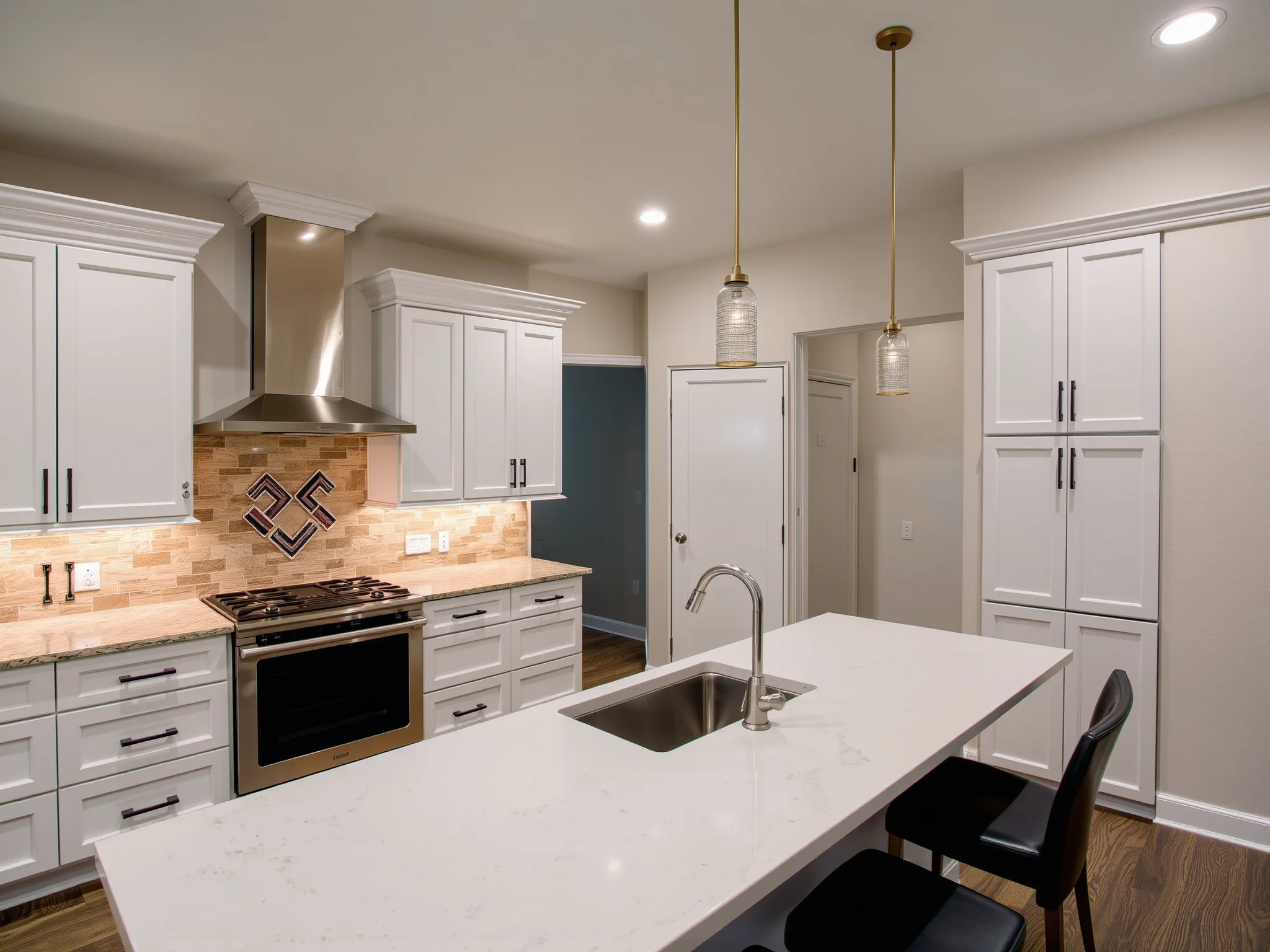
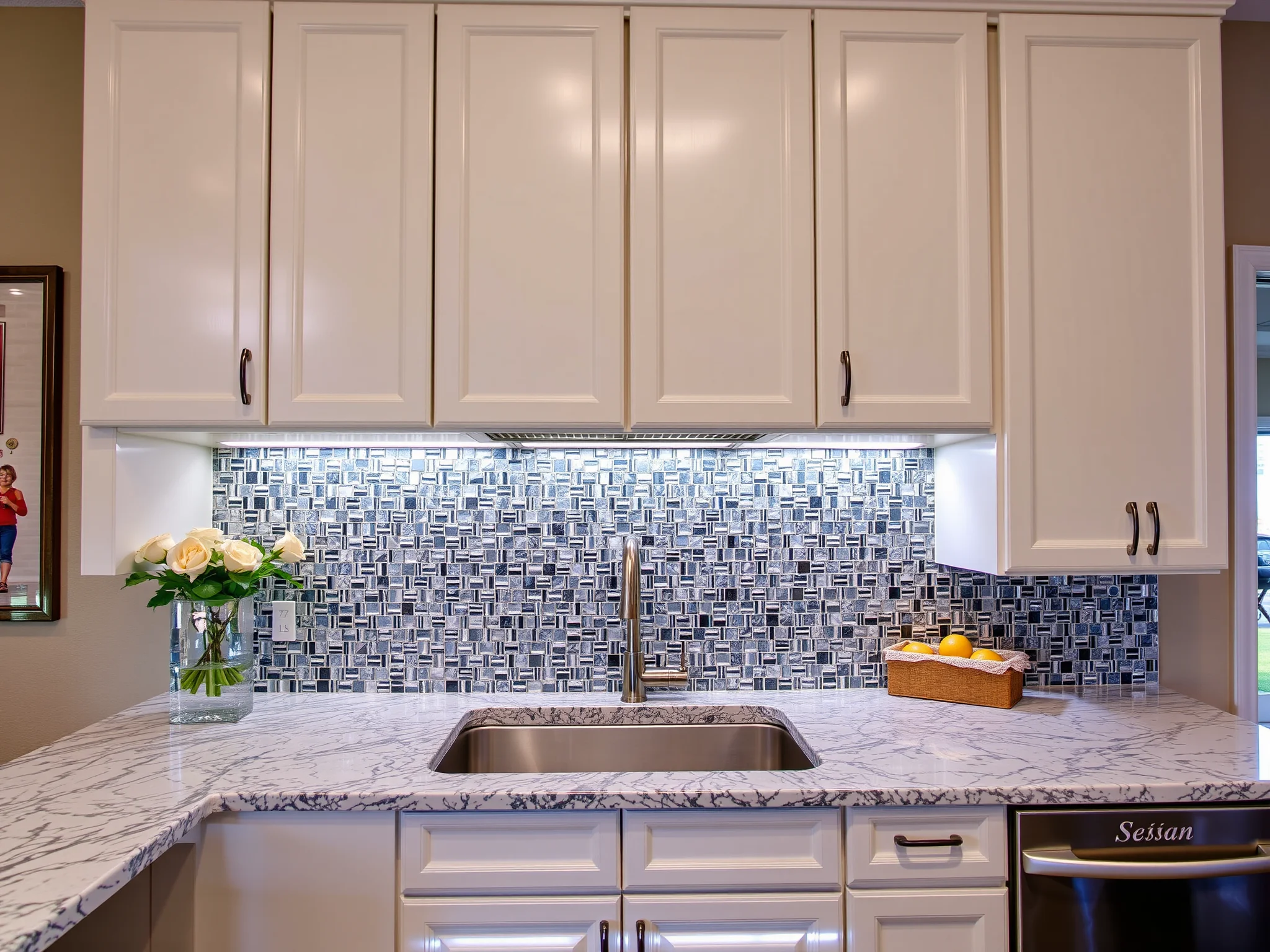
Mixing finishes isn't just about random choices; it's about creating a story with deliberate contrasts. For instance, pairing matte black with polished chrome introduces a modern edge, while combining bronze with warm gold accents evokes a vintage charm. Be cautious, though—pairing too many contrasting finishes can create visual chaos. Instead, aim for a thoughtful balance by selecting two or three complementary finishes for a harmonious aesthetic.
What Questions Should I Ask When Choosing Hardware Sizes for Different Cabinets?
The size of your hardware, from knobs to pulls, plays a subtle yet crucial role in creating visual harmony. Large, bold pulls can serve as focal points on larger cabinets, while smaller knobs provide a delicate touch on more petite surfaces. Understanding the proportion between hardware and cabinet size helps achieve a balanced look that speaks to your design sensibilities.
Yes, varying hardware sizes between upper and lower cabinets can add visual interest and prevent monotony. Larger pulls on lower cabinets can ground the space, while smaller knobs or pulls on upper cabinets keep the visual flow light and airy. Keep in mind, consistency in style helps maintain cohesion even as sizes vary.
How Can Mixing Styles Create a Unique, Personal Look?
An insider secret of decorating revolves around curating a mix of styles—shabby chic with metal accents, modern with vintage touches—resulting in a space that feels authentic and personalized. When choosing how to mix and match cabinet hardware, embracing eclectic combinations can add personality and depth. The trick lies in finding a common thread—perhaps a unifying finish or shape—that ties different styles together without clashing.
This approach often challenges traditional design norms but rewards with a space rich in character. Think of it as storytelling through hardware: a sleek, modern handle paired with antique knobs can portray a history of layered aesthetics.
Why Is It Important to Consider Your Overall Design Theme?
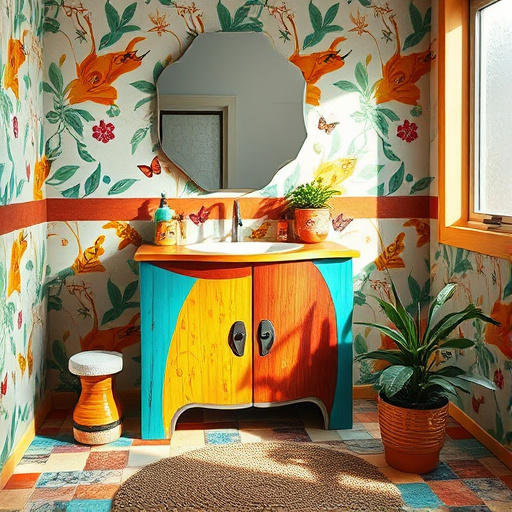
Every successful hardware pairing echoes your overall design theme. For example, a minimalist kitchen benefits from sleek, simple hardware, whereas a rustic bathroom might be best complemented with wrought iron pulls. Understanding your intended mood—whether contemporary, traditional, or bohemian—serves as a guide in selecting hardware combinations that reinforce your vision.
Mixing and matching hardware becomes particularly strategic when aligning with your color palette, textures, and materials. It’s not just about aesthetics but about creating a coherent story that resonates throughout your space.
Can Strategic Use of Hardware Be a Cost-Effective Way to Refresh Your Space?
Absolutely. Updating cabinet hardware is a potent, cost-effective method to achieve a dramatic room transformation. By thoughtfully mixing different styles and finishes, you can breathe new life into older cabinets without full replacement or refinishing. Innovative choices align with eco-friendly trends, especially when paired with techniques like sustainable cabinet refinishing.
Furthermore, considering how to mix and match cabinet hardware allows you to target specific visual focal points, enhancing your space’s personality and charm. It’s akin to wielding a secret weapon—revealing that small details can have substantial visual impact.
How Do You Balance Bold and Subtle Hardware Choices?
The secret to a balanced and captivating space lies in juxtaposition. Using bold, statement hardware in some areas and subtle, understated pieces elsewhere creates a rhythm that guides the eye without overwhelming it. For instance, pairing large, ornate pulls on a statement feature cabinet with sleek, minimalist knobs elsewhere imbues depth and sophistication.
It’s important to remember that contrast enhances interest but should be applied thoughtfully. The key is moderation; a space flooded with bold hardware can feel chaotic, while too many subtle pieces might lack impact. Strategic variation ensures each hardware choice enhances your overall design narrative.
What Are Expert Tips for Harmonizing Different Hardware Styles?
- Develop a unifying theme: For example, use consistent finish tones or complementary shapes to tie diverse hardware styles together.
- Maintain balance: Distribute larger, more eye-catching hardware on statement cabinets, with subtle options elsewhere.
- Stick to a color palette: Limit your choices to a handful of finishes to prevent visual clutter.
- Mix textures thoughtfully: Pair matte with shiny, or smooth with textured hardware to add tactile interest.
- Consider scale and proportion: Match hardware size to cabinet dimensions to ensure visual harmony.
Where Can I Find Inspiration for Mixing and Matching Cabinet Hardware?
Inspiration can be found everywhere—from contemporary interior magazines to real-world renovation projects. Browsing galleries online or visiting showrooms allows you to see how different hardware styles work together in various settings. Also, exploring specific design stories, such as bathroom vanity cabinet ideas in Allen, Texas or cabinet staining for a modern look, can spark ideas tailored to your tastes.
Remember, the goal is to craft a space that reflects your personality, subtly guided by the secrets of strategic hardware mixing.
Can I Use Hardware to Accentuate Specific Areas or Features?
Yes. Carefully selected hardware can serve as visual anchors—highlighting special cabinets, kitchen islands, or architectural features. For instance, choosing accent metals or unique shapes for cabinet hardware on a central island makes it a focal point, subtly drawing attention and adding layers of visual depth. The secret is knowing when to emphasize or reduce emphasis—using hardware as a tool rather than just decoration.
How Does The Shape and Design of Hardware Affect the Overall Effect?
The design language of your cabinet hardware sets the tone for your space. Geometric and sleek hardware communicates modernity, while ornate or vintage designs evoke charm and nostalgia. Mixing shapes strategically—curved pulls with angular knobs—can introduce a playful, sophisticated dichotomy that enhances your room’s personality. The secret here is in understanding how different shapes influence perception and mood.
What Is the Role of Professional Refinishing in Perfecting Hardware Integration?
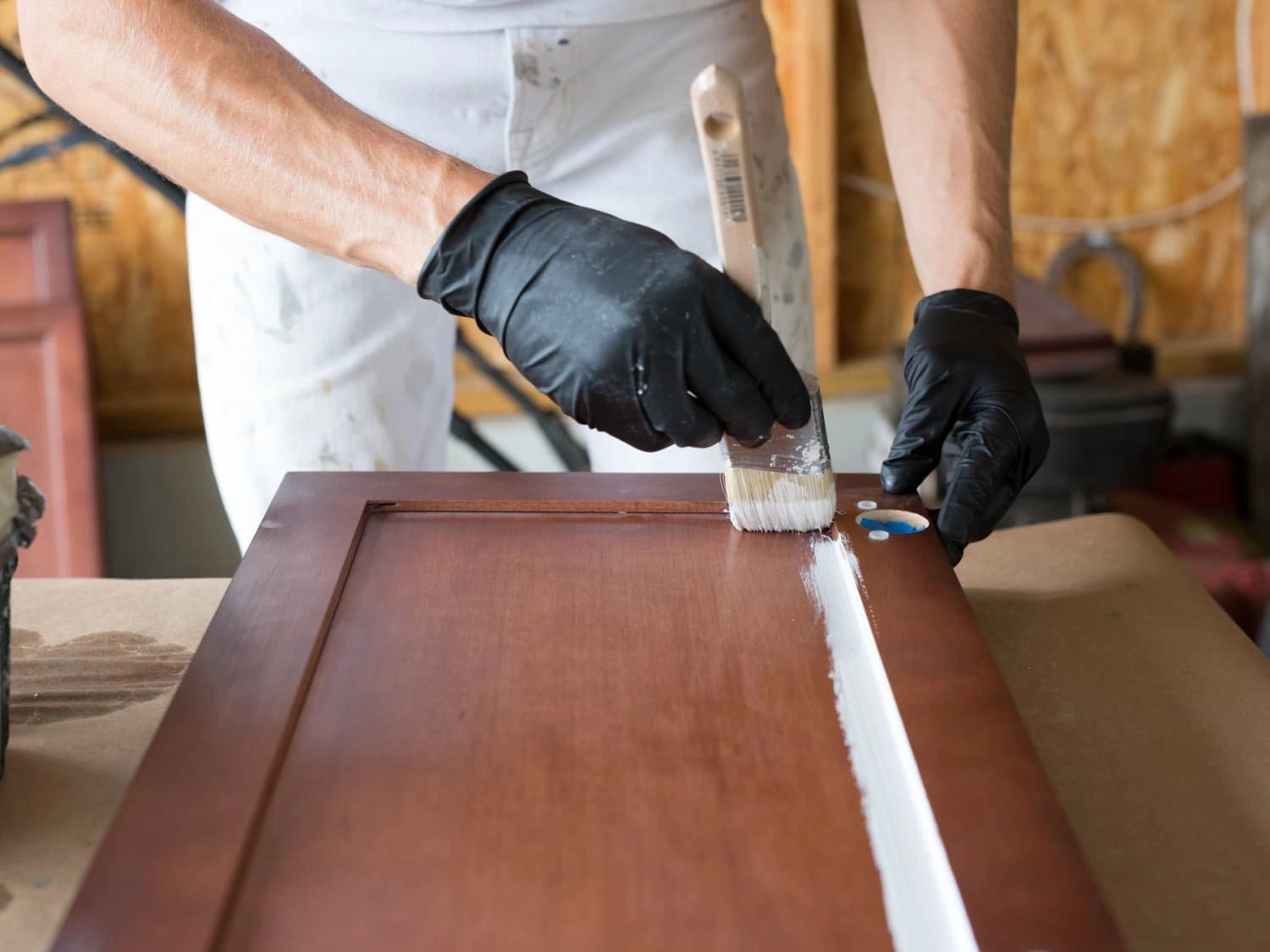
While choosing hardware is vital, the finishing process can elevate the entire look. Approaches like cabinet staining for a modern look or sustainable cabinet refinishing techniques help create a seamless backdrop for your hardware choices. A well-refinished surface enhances every detail, making the selected hardware pop and harmonize flawlessly.
Frequently Asked Questions (FAQ)
Start by identifying your overall color scheme and style. For a cohesive look, select finishes that complement or match your cabinet color and other metallic accents in your home. Consider the mood you want—warm tones like brass evoke inviting warmth, while cool tones like chrome add a sleek, modern feel.
Yes, but moderation is key. Opt for a dominant finish and incorporate secondary finishes as accents. For example, use brushed nickel as your primary choice, with small touches of aged bronze or matte black to add depth without creating visual chaos.
Avoid over-contrasting finishes that clash, choosing hardware that is disproportionate to cabinet size, and neglecting to consider the overall design theme. Strive for harmony and balance to ensure your choices enhance your space rather than detract from it.
Concluding Thought: The Mystery Unveiled
The art of mixing and matching cabinet hardware is a delightful mystery waiting to be unraveled. It’s a dance of contrast and harmony, a game of textures, finishes, sizes, and shapes. When mastered, it transforms your cabinets from mere storage into a curated showcase of your personality and style. With careful thought and strategic choices, you can craft a space that feels both curated and deeply personal—unlocking the secret to a truly stunning transformation.





:max_bytes(150000):strip_icc()/TAL-the-star-frisco-texas-FRISCOTX0223-5fb5e2ddde5a431e8072e46cbc504b63.jpg)


