
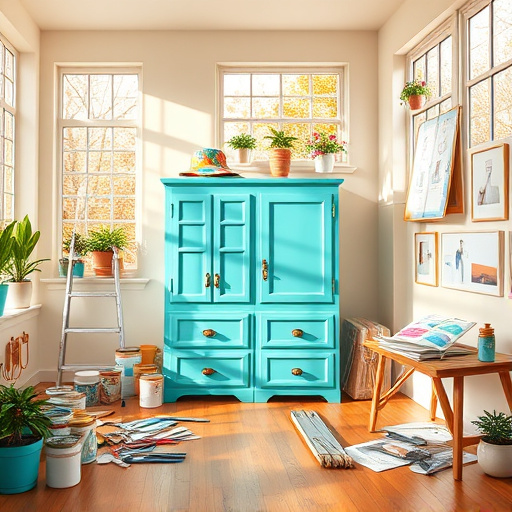
Revamp Your Space: Recycling Old Cabinets for a New Look
What Are the Environmental and Aesthetic Benefits of Recycling Old Cabinets for a New Look?
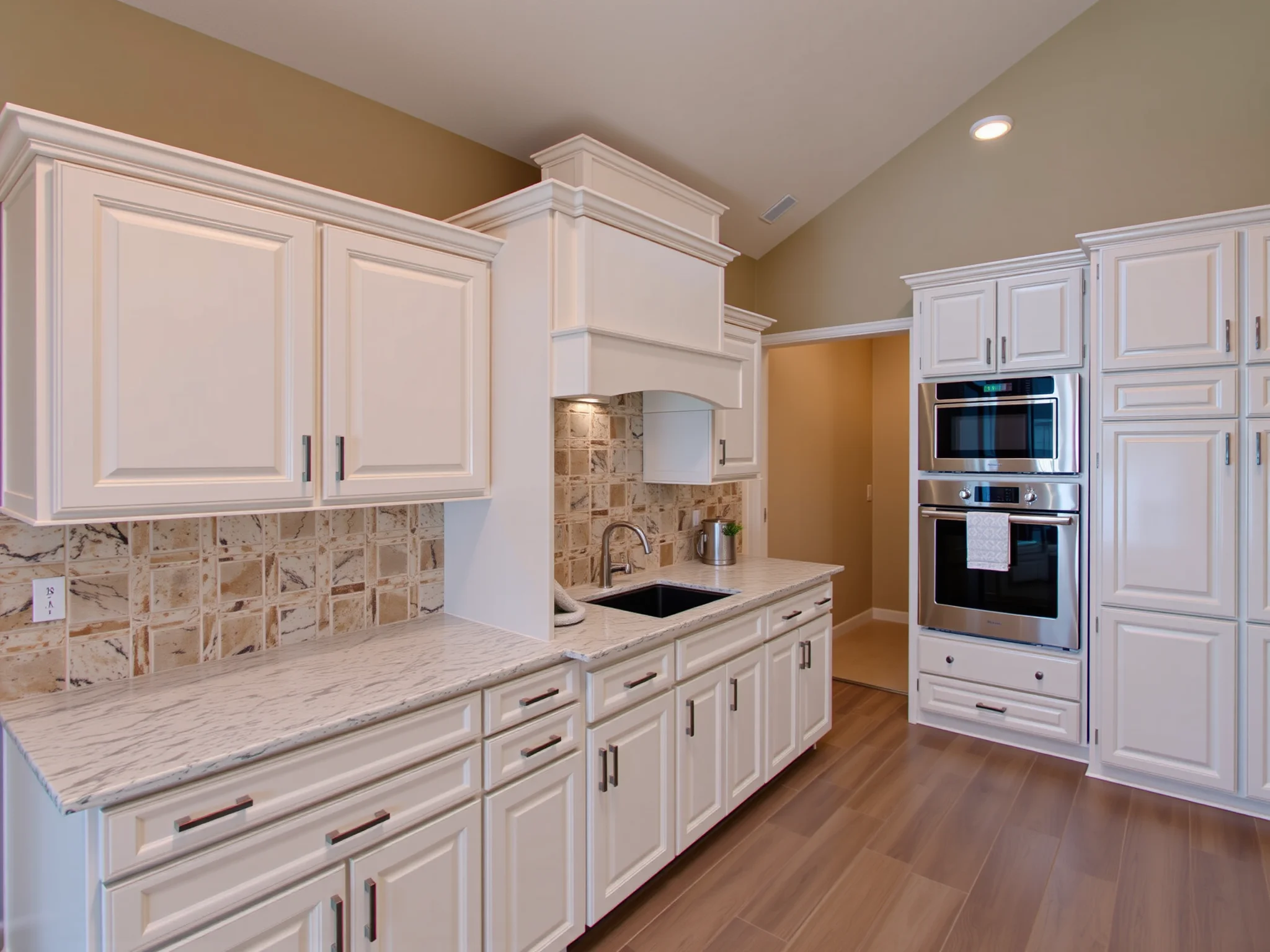
In recent years, the emphasis on sustainable living has significantly influenced home renovation practices. Recycling old cabinets for a new look embodies this eco-conscious approach, offering myriad benefits both for the environment and for the aesthetics of your living space. By reusing existing cabinetry, homeowners can reduce waste, lower carbon footprints, and achieve a stylish result without the high costs associated with new cabinetry installations.
Environmental Impact: Traditional cabinet replacement involves demolition and disposal, substantially contributing to landfill waste and resource extraction. Recycling old cabinets minimizes waste, conserves raw materials, and decreases energy consumption linked to manufacturing new furniture. This practice aligns with sustainable development principles, making it a responsible choice for environmentally aware consumers.
Cost-Effectiveness and Practicality: Refinishing or repurposing existing cabinets reduces expenses compared to purchasing new units. It also shortens renovation timelines, minimizes disruptive demolition, and allows flexibility in design updates. Techniques like paint refinishing or hardware updates breathe new life into aged cabinetry, transforming appearance without extensive reconstruction.
How Can You Determine If Your Cabinets Are Recyclable and Suitable for a New Look?
Assessing the condition of your cabinets is crucial to decide if recycling is a viable option. Consider these factors:
- Structural integrity: Are the cabinets sturdy, free of warping, or extensive damage?
- Material quality: Are they made of durable materials compatible with refinishing techniques?
- Style compatibility: Do the existing cabinets align with your desired aesthetic, or can they be easily modified?
If your cabinets meet these criteria, techniques like painting, veneering, or hardware updates can provide a fresh, modern look. For more intricate options, exploring cabinet refacing options can expand your choices beyond basic refinishing.
What Are the Top Techniques for Recycling Old Cabinets for a New Look?
Refinishing techniques refine the surface without complete replacement. Popular methods include:
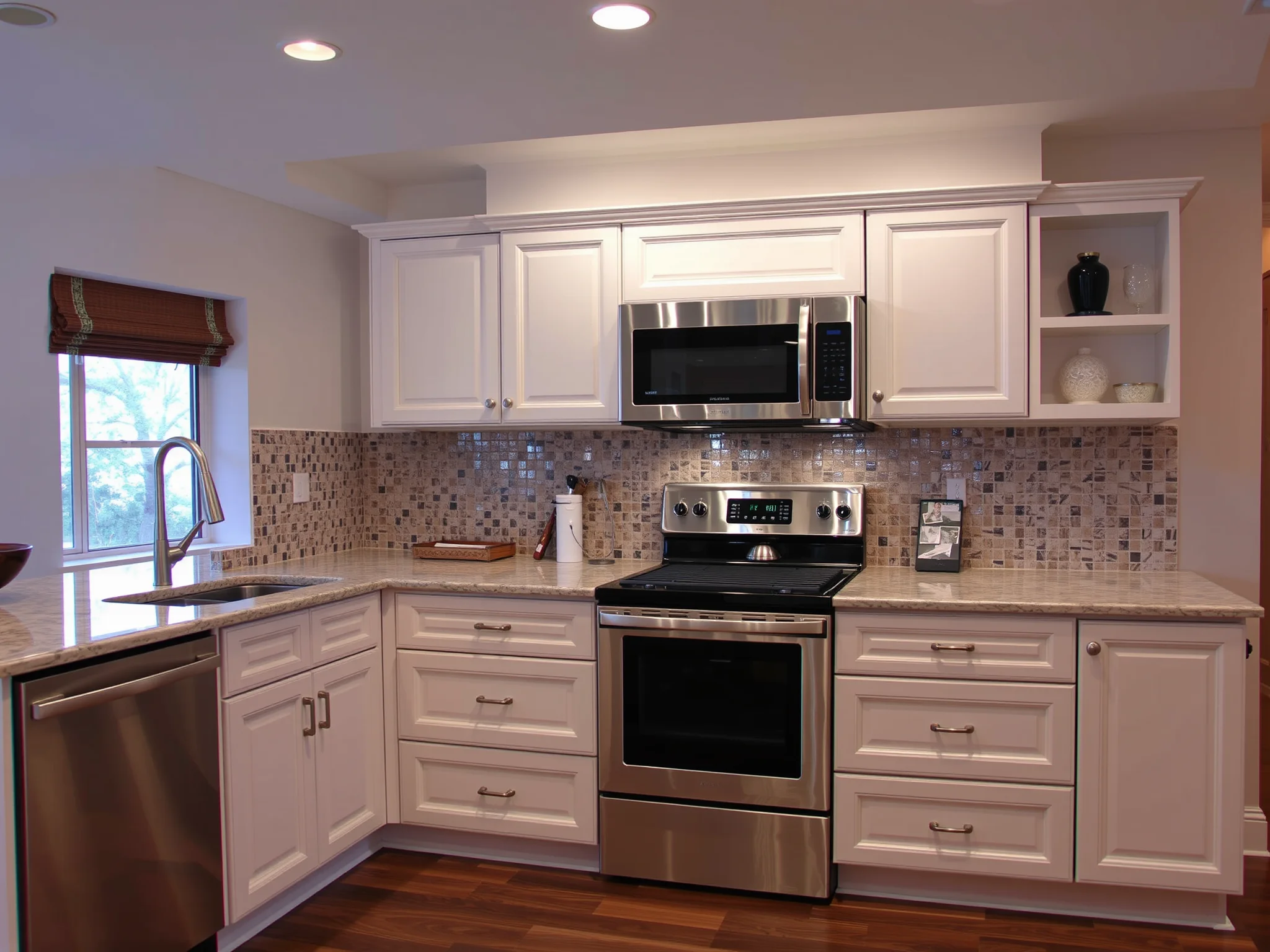
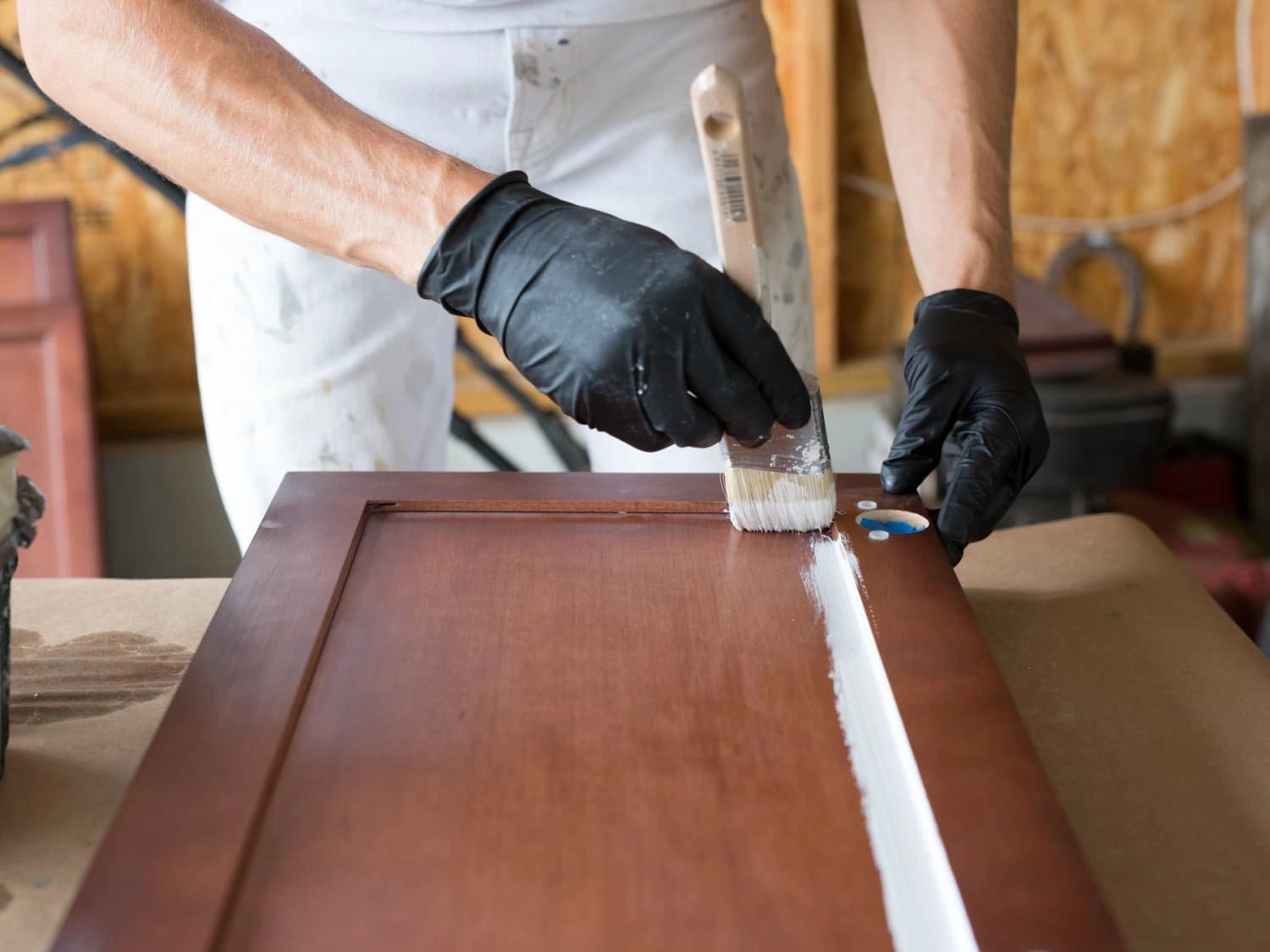
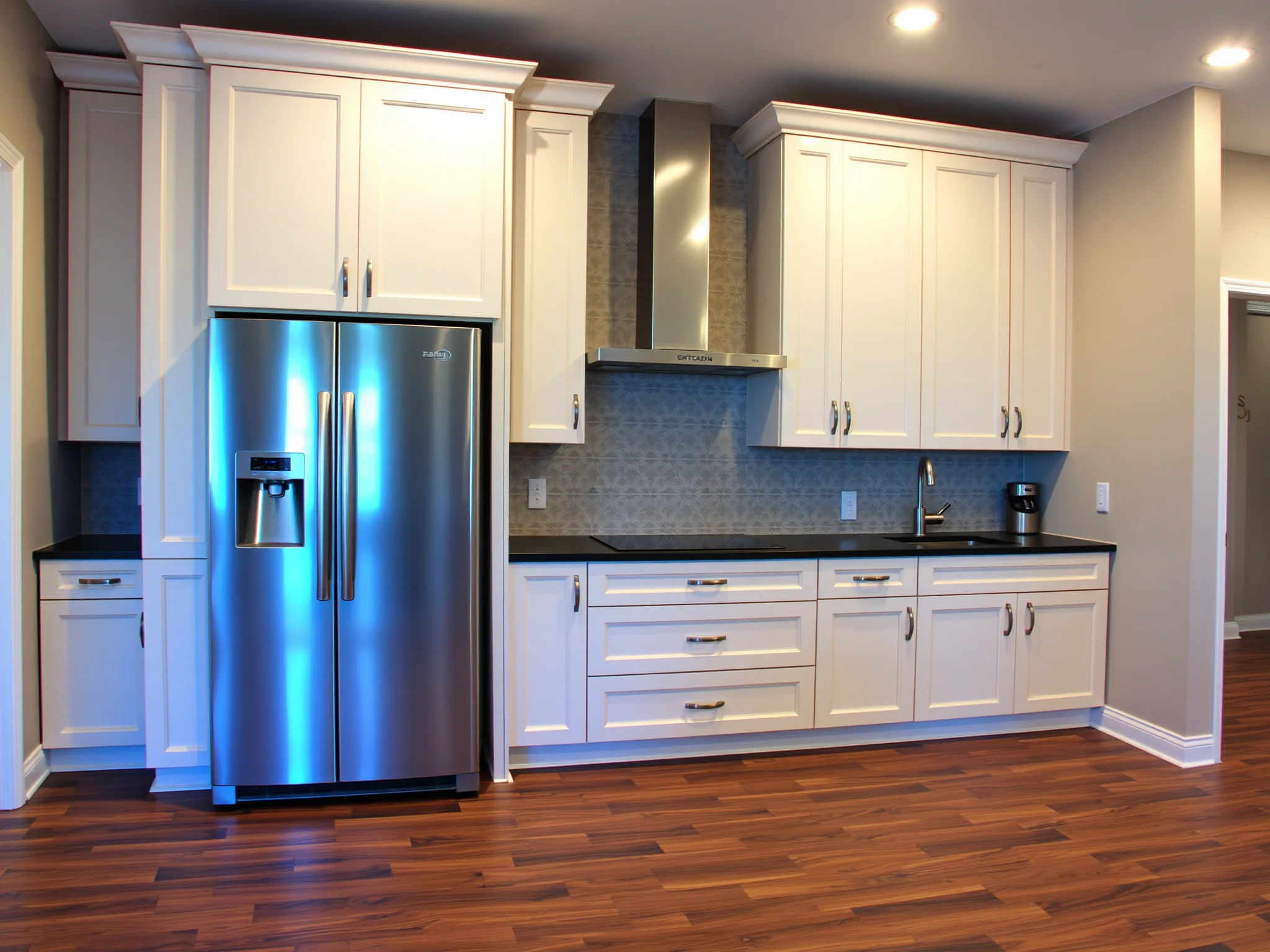
- Painting: Using high-quality, durable paints, such as chalk or latex, to change color schemes and integrate trendy hues like navy or pastel tones. For inspiration on color choices, visit dark cabinet paint color trends.
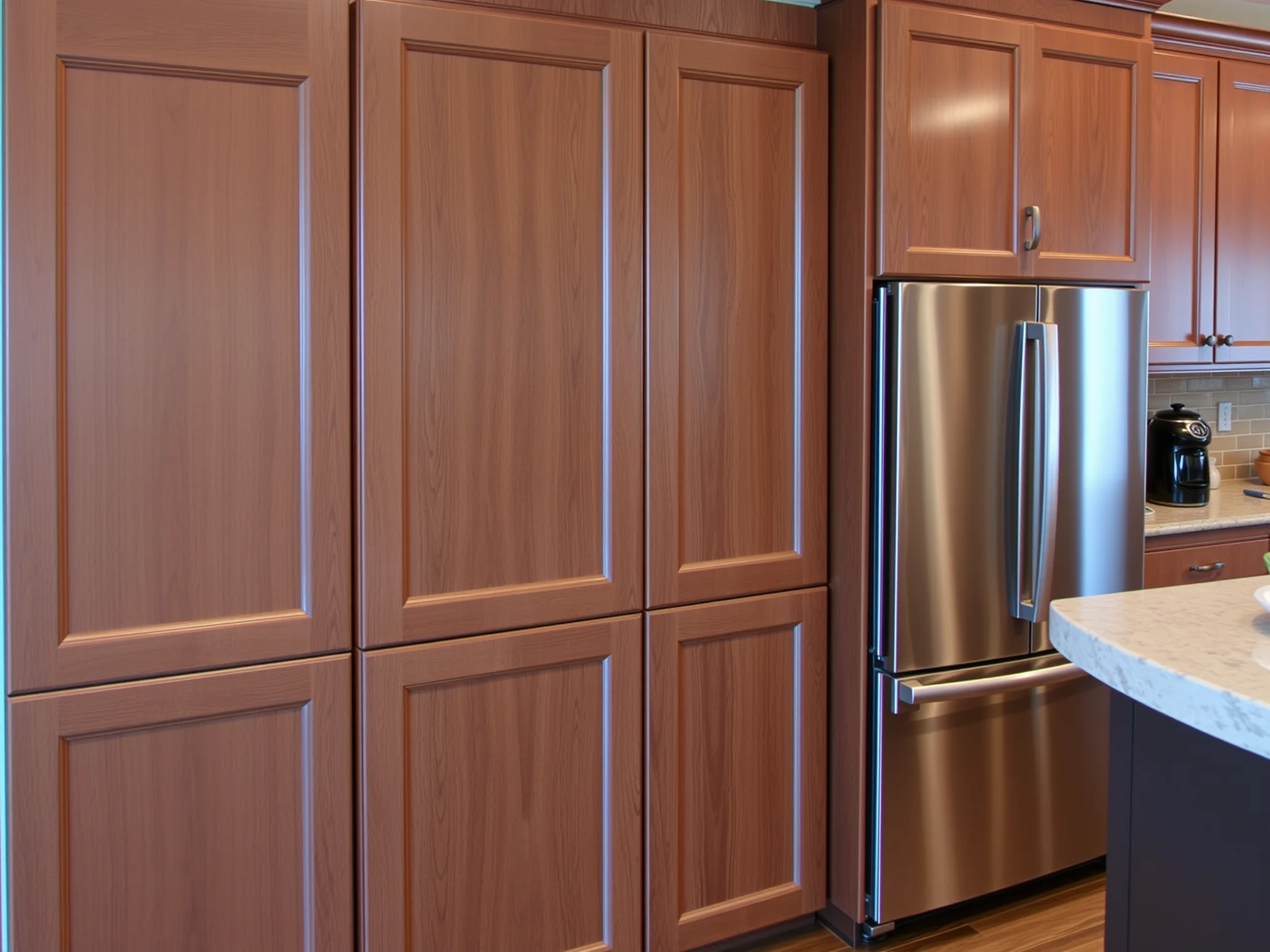
- Veneering and Lamination: Applying wood veneers or laminates to update the appearance, especially if the original surface is damaged or outdated.
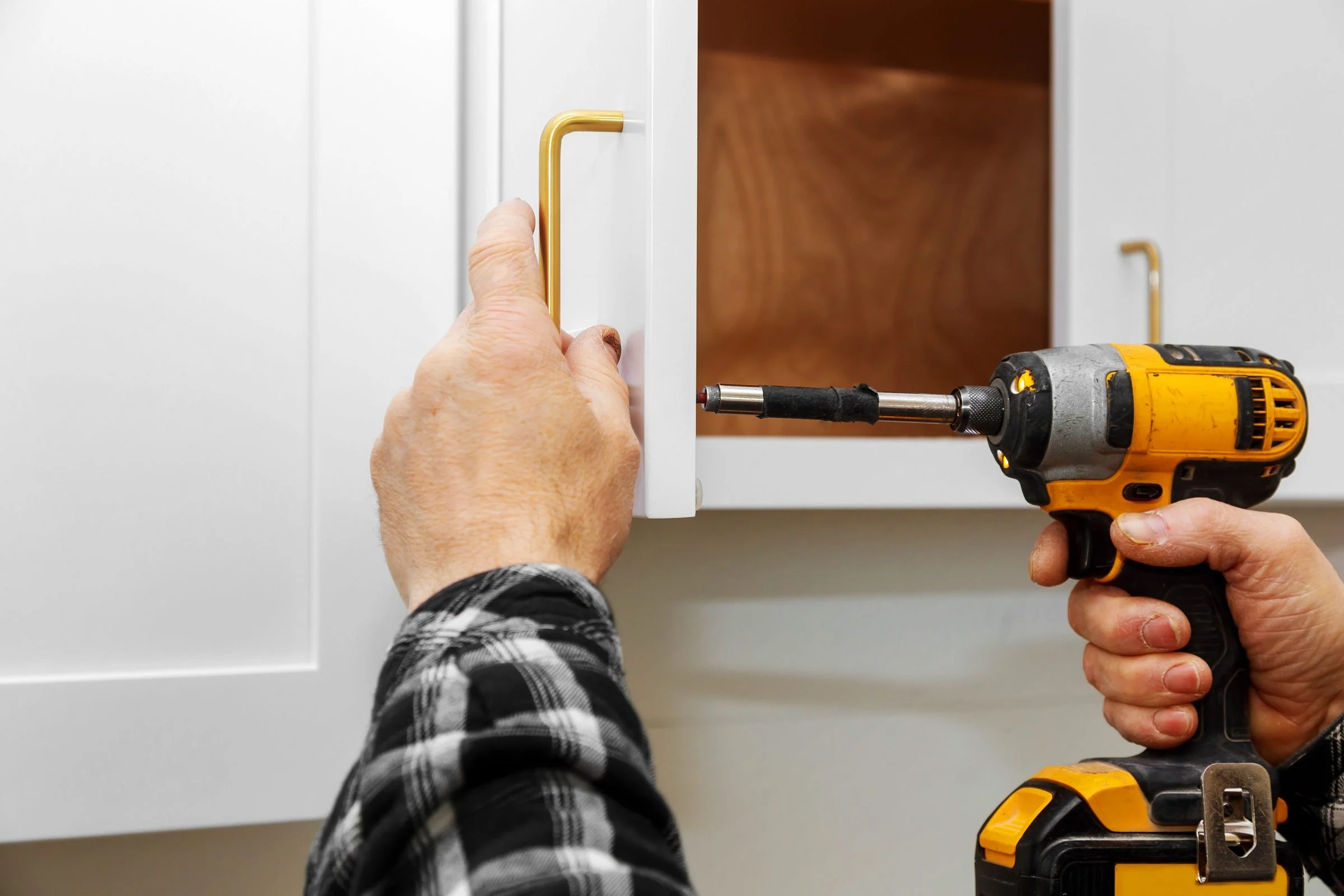
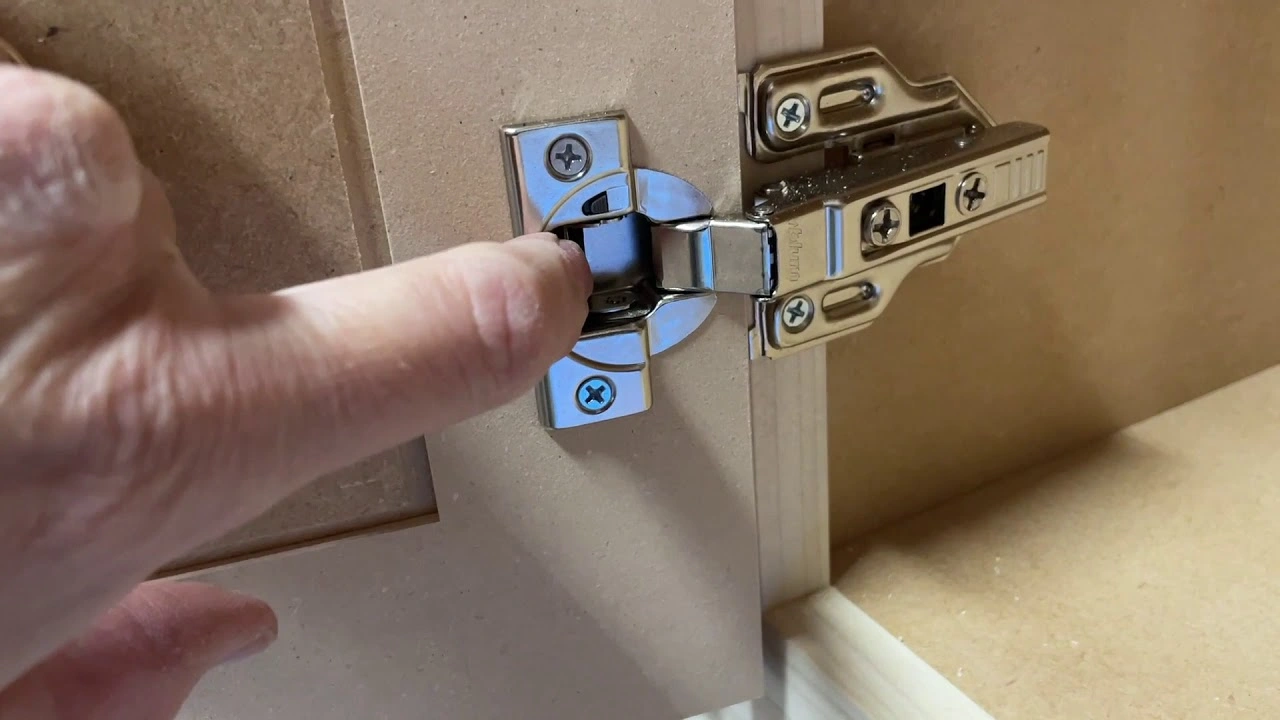
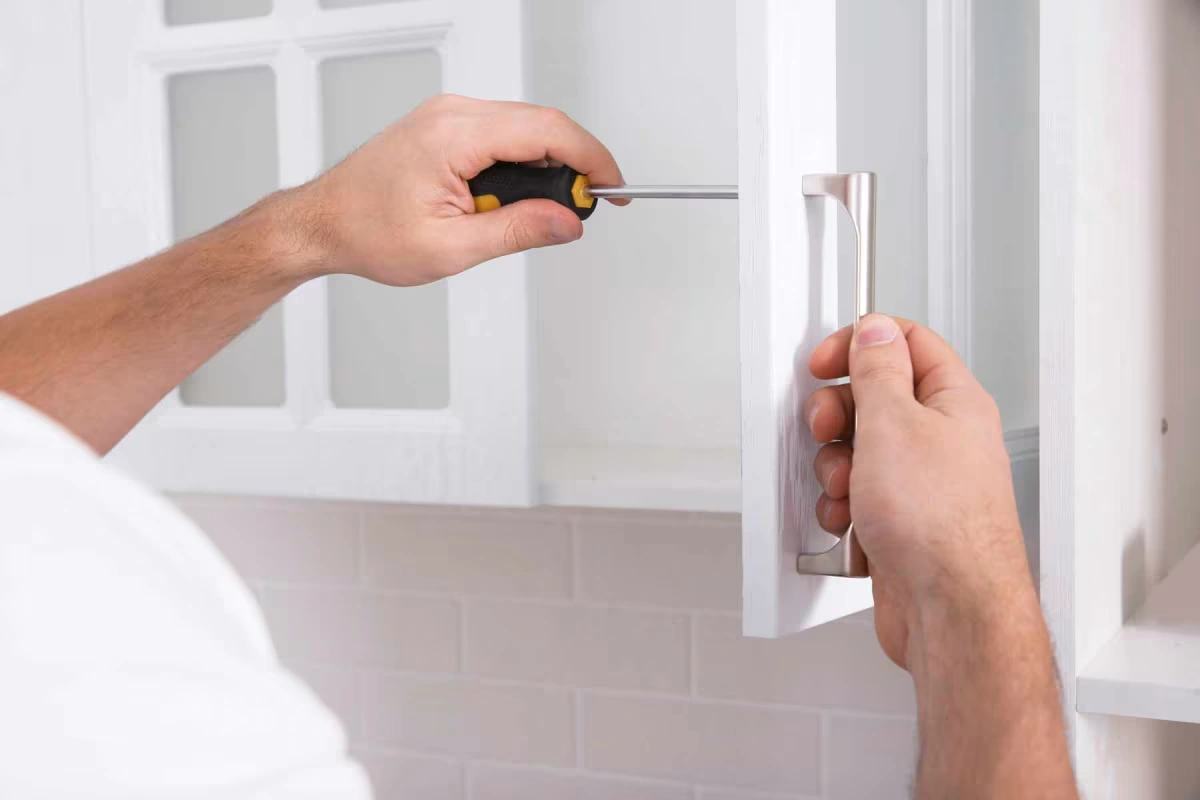
- Hardware Updating: Swapping out knobs, pulls, and hinges adds a noticeable touch of modernity and style.
- Staining and Sealing: For wooden cabinets, staining enhances natural grain and adding a protective seal prolongs longevity.
- Decoupage and Decorative Techniques: Incorporating decorative paper or textured finishes for personalized aesthetics.
Successful recycling of old cabinets involves careful preparation and execution:
- Cleaning: Remove all grime, grease, and old hardware.
- Sanding: Lightly sand surfaces to create a smooth, paintable surface.
- Priming: Use a suitable primer to ensure adhesion and prevent staining.
- Applying Finish: Choose high-quality paint or stain, applying in thin, even coats.
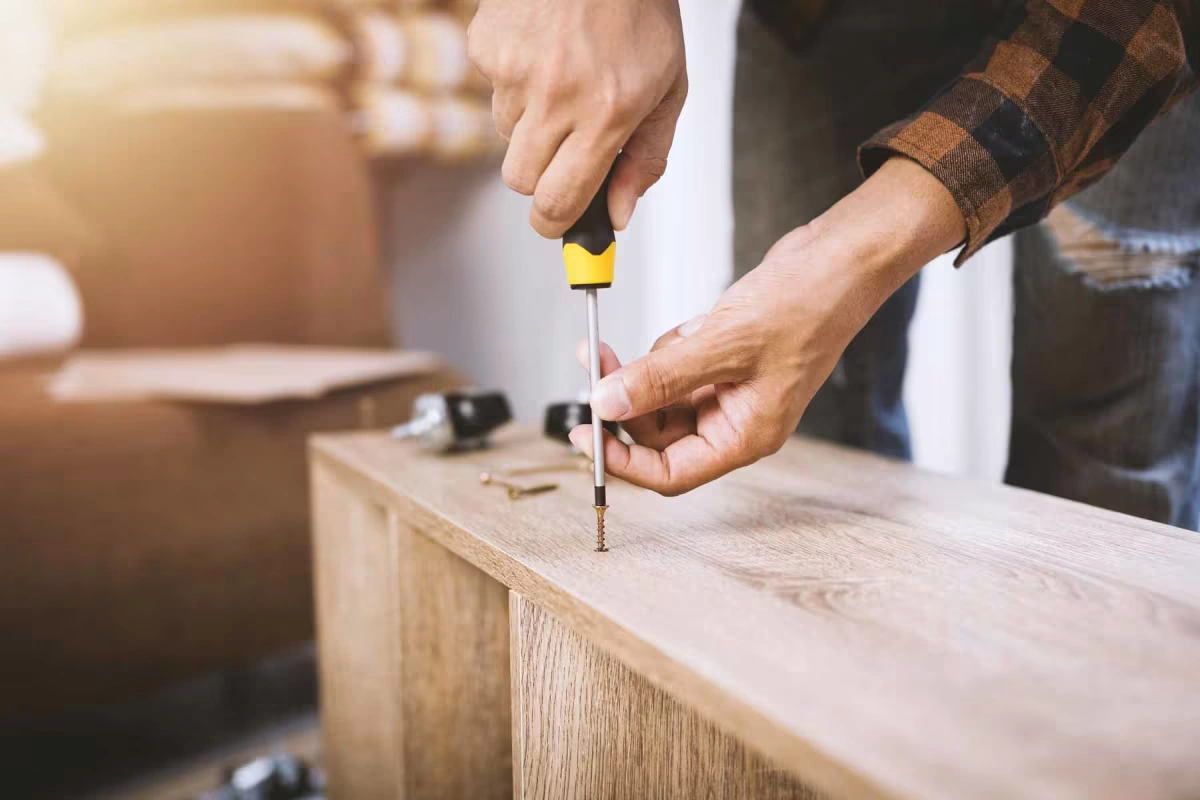
- Hardware Replacement: Install new handles and hinges that match your desired aesthetic.
- Sealing: Finish with a protective clear coat to enhance durability.
For detailed guidance and professional assistance, consider consulting experts at Hollywood Cabinet Refinishing.
Can Recycling Old Cabinets Contribute to a Cohesive Home Design?
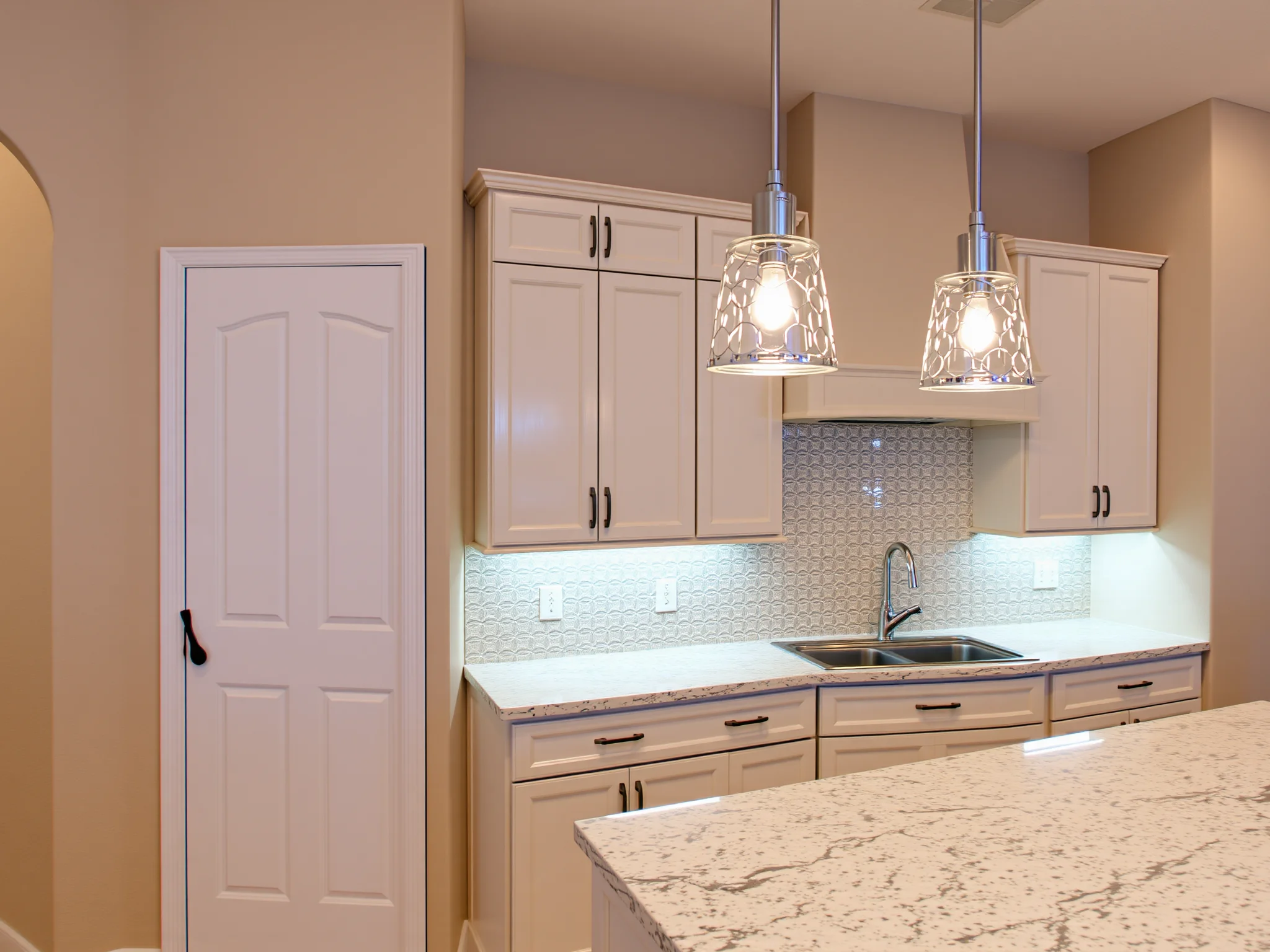
Absolutely. Integrating recycled cabinets into your home décor can create a harmonious and personalized environment. With design approaches like matching hardware styles, color schemes, and integrating decorative accents, recycled cabinets can complement various interior styles—from rustic farmhouses to sleek contemporary kitchens.
Moreover, combining recycled cabinetry with other sustainable materials, such as reclaimed wood or eco-friendly countertops, enhances overall cohesiveness. Timeless design principles, combined with customization options like paint color choices and decorative hardware, allow homeowners to craft unique spaces that reflect their personality and commitment to sustainability.
How Do Recycling and Refacing Compare to Full Cabinet Replacement?
While full cabinet replacement can sometimes provide the fastest route to a modern look, it often involves higher costs, waste generation, and extended timelines. Recycling old cabinets for a new look, especially through refinishing or veneer application, offers a more sustainable and economical alternative. This approach preserves the original structure, reduces landfill waste, and allows for creative customization.
For complex projects or outdated cabinetry, consulting a professional firm like top-rated cabinet makers in Coppell, Texas, can help determine the best route for rejuvenation or complete overhaul.
What Are Common Challenges When Recycling Old Cabinets, and How Can They Be Addressed?
Challenges in recycling old cabinets include peeling paint, warping, and hardware incompatibilities. To mitigate these issues:
- Address surface imperfections: Sand thoroughly and use high-quality primers and paints that adhere well to aged surfaces.
- Repair structural faults: Reinforce warped panels or replace severely damaged sections with matching materials.
- Upgrade hardware: Ensure new hinges and handles can be fitted and function properly.
- Seek professional assistance: For complex issues, professional refinishing services ensure an optimal finish and longevity.
Adopting these practices ensures recycled cabinets not only look appealing but also remain functional and durable for years to come.
How Does Recycling Old Cabinets for a New Look Support Sustainable Home Renovation?
Recycling practices embody a circular economy—reducing waste, conserving resources, and extending the lifecycle of existing materials. It aligns with green building standards and enhances sustainability profiles for homeowners. Additionally, eco-friendly renovation projects can increase property value and appeal to environmentally conscious buyers.
Frequently Asked Questions (FAQs)
It depends on the material and desired aesthetic. Painting offers a wider range of color options and provides an opaque finish, ideal for outdated or damaged surfaces. Staining enhances natural wood grain and is suited for well-maintained wooden cabinets, giving a warmer, organic appearance.
The duration varies based on the project's scope, with simple painting projects taking a few days and more detailed veneer or hardware updates extending the timeline. Consulting with professionals ensures an accurate estimate tailored to your specific needs.
Yes. Look for low-VOC paints and environmentally friendly sealants. Additionally, reusing existing hardware and choosing biodegradable or recycled materials supports sustainability goals.
Most styles—including shaker, traditional, modern, and farmhouse—can be successfully revitalized through techniques like painting, veneering, or hardware upgrades. The key lies in assessing the structural condition and choosing appropriate refinishing methods.
Absolutely. Integrating recycled cabinets with reclaimed wood flooring, sustainable countertops, and energy-efficient appliances creates a comprehensive green renovation that maximizes environmental benefits and aesthetic appeal.
Embracing recycling old cabinets for a new look not only enhances your home's style but also aligns with sustainable living principles. Through thoughtful techniques and professional guidance, your renovation can become a shining example of eco-friendly design. For more insights into professional refinishing services, visit Hollywood Cabinet Refinishing.






:max_bytes(150000):strip_icc()/TAL-the-star-frisco-texas-FRISCOTX0223-5fb5e2ddde5a431e8072e46cbc504b63.jpg)


