
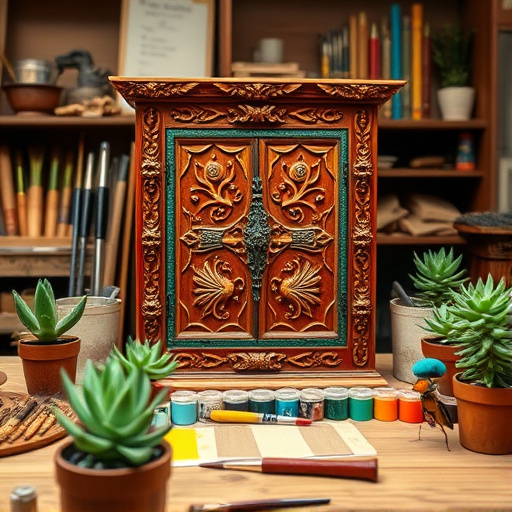
Expert Cabinet Restoration for Insect-Damaged Cabinets
What Are the Signs That Your Cabinets Are Insect-Damaged and Need Restoration?
In the quiet corners of our homes, cabinets serve as both functional storage and aesthetic accents. Over time, however, these fixtures are susceptible to the relentless assault of pests such as wood-boring insects and termites. Recognizing the early signs of insect damage is crucial to initiating effective cabinet restoration for insect-damaged cabinets before the deterioration jeopardizes structural integrity.
Look for these telltale symptoms:
- in the wood surface, often accompanied by fine powdery debris known as frass.
- Soft spots or sagging areas in cabinet surfaces that feel unusually fragile under touch.
- Detected presence of sawdust or wood shavings within or around the cabinets.
- Unusual odors indicating compromised woodwork, sometimes musty or insect-related smells.
How Does Insect Damage Affect the Integrity of Your Cabinets?
Insect damage isn’t merely superficial; it can compromise the very foundation of your cabinetry. Wood-boring insects such as termites or beetles hollow out the wood, creating tunnels and weakening the material’s load-bearing capacity. Over time, this deterioration can lead to warping, cracking, or even collapse of cabinet components, especially if left unaddressed.
This deterioration not only diminishes aesthetic appeal but also affects the functionality of your space, posing safety risks and potential higher costs down the line. Addressing insect damage promptly through expert cabinet restoration for insect-damaged cabinets becomes essential to restore both form and function.
Why Is Professional Restoration Better Than DIY Repairs?
While DIY repairs may seem tempting, insect damage control demands a nuanced understanding of both pest behaviors and advanced restoration techniques. Professionals can accurately assess the extent of damage and employ specialized methods to eradicate pests completely, preventing future infestations.
Moreover, expert restoration includes:
- Proper removal of all damaged wood
- Application of pest-resistant and eco-friendly treatments
- Precise refinishing techniques to match original or new aesthetics
- Structural reinforcement where necessary
Entrusting your cabinets to experienced specialists ensures a comprehensive approach that prolongs the life of your furniture while safeguarding your home environment.
What Are the Key Steps in Restoring Insect-Damaged Cabinets?
The restoration process involves several meticulously executed steps, each aimed at reviving the beauty and sturdiness of your cabinets while eradicating pests entirely:
- Assessment and Inspection: Specialists thoroughly evaluate the scope of damage, identifying all affected areas and signs of ongoing pest activity.
- Containment and Pest Treatment: To prevent the infestation's spread, targeted treatments—such as eco-friendly insecticides or natural deterrents—are applied.
- Removal of Damaged Material: Damaged wood portions are carefully taken out, often revealing hidden tunnels or compromised joints.
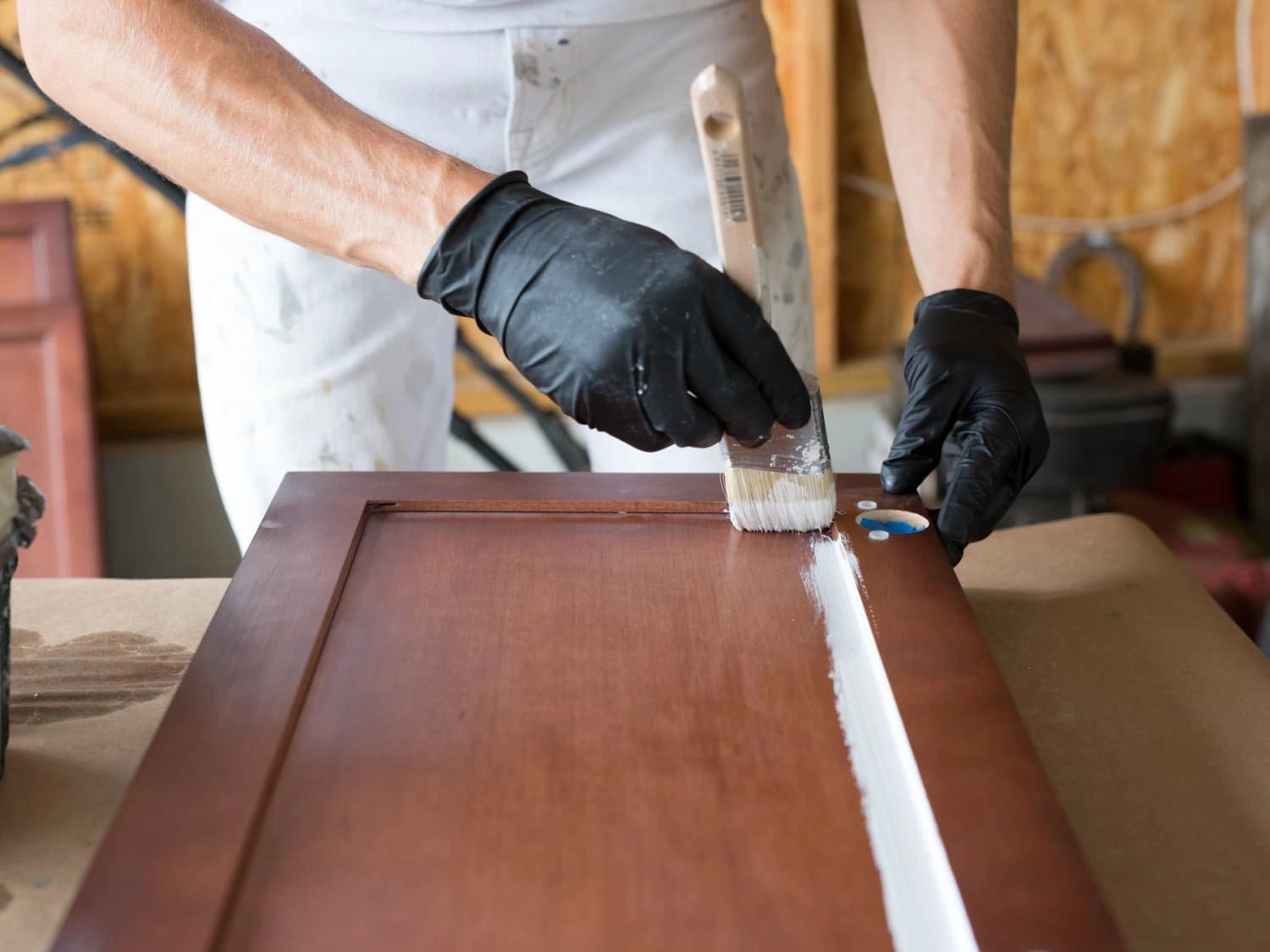
- Refinishing and Restoring: The cabinets are then refinished—this may include sanding, staining, or painting—to restore their original charm or update their look.
- Structural Reinforcement and Sealant Application: Reinforcements and sealants are added to prevent future pest intrusion and enhance durability.
Throughout this process, environmental considerations are prioritized, ensuring that removals and treatments are safe for inhabitants.
Can Restoring Insect-Damaged Cabinets Be Eco-Friendly?
Absolutely. Many modern restoration techniques focus on sustainability by using eco-friendly products and practices. For example, environmentally safe pest treatments effectively eradicate insects without harmful chemicals, protecting both your home and the planet.
Interested in how innovative solutions can adapt to your needs? Consider exploring recycling old cabinets for a new look. This approach not only reduces waste but also provides a fresh aesthetic, all while preserving the environment.
How Can Regular Maintenance Extend the Life of Your Restored Cabinets?
Preventative care plays an important role in maintaining the longevity of your cabinets, especially after restoration. Here are some actionable maintenance tips:
- Keep humidity levels low to deter pests—use dehumidifiers inside cabinetry if necessary.
- Regularly inspect your cabinets for early signs of pest activity or damage.
- Schedule periodic professional check-ups to assess the health of your cabinetry and address issues promptly.
- Use natural pest deterrents and avoid overly aggressive chemical treatments that could harm wood surfaces or your household environment.
What Can Be Done to Prevent Future Insect Infestations in Cabinets?
Prevention is always better than cure. To protect your cabinets against future insect damage:
- Ensure proper ventilation in your home to reduce excess moisture, which attracts wood pests.
- Seal all cracks, gaps, and joints where pests could enter.
- Apply protective finishes like varnish or sealants that act as barriers against insects.
- Seek advice from local carpentry experts, such as those at local carpentry services for custom cabinets in Celina, Texas, to learn tailored pest prevention strategies.
In most cases, restoration is a cost-effective alternative to complete replacement. Addressing damage early minimizes the need for extensive repairs and preserves your existing cabinetry’s character, especially when combined with strategic refinishing and maintenance.
How Do I Choose the Right Professionals for Cabinet Restoration?
Selecting experienced specialists in cabinet restoration for insect-damaged cabinets ensures quality results. Look for credentials, reviews, and portfolios demonstrating successful project outcomes. Additionally, companies that prioritize eco-friendly practices reflect a commitment to sustainable craftsmanship.
Is There a Way to Modernize My Cabinets During Restoration?
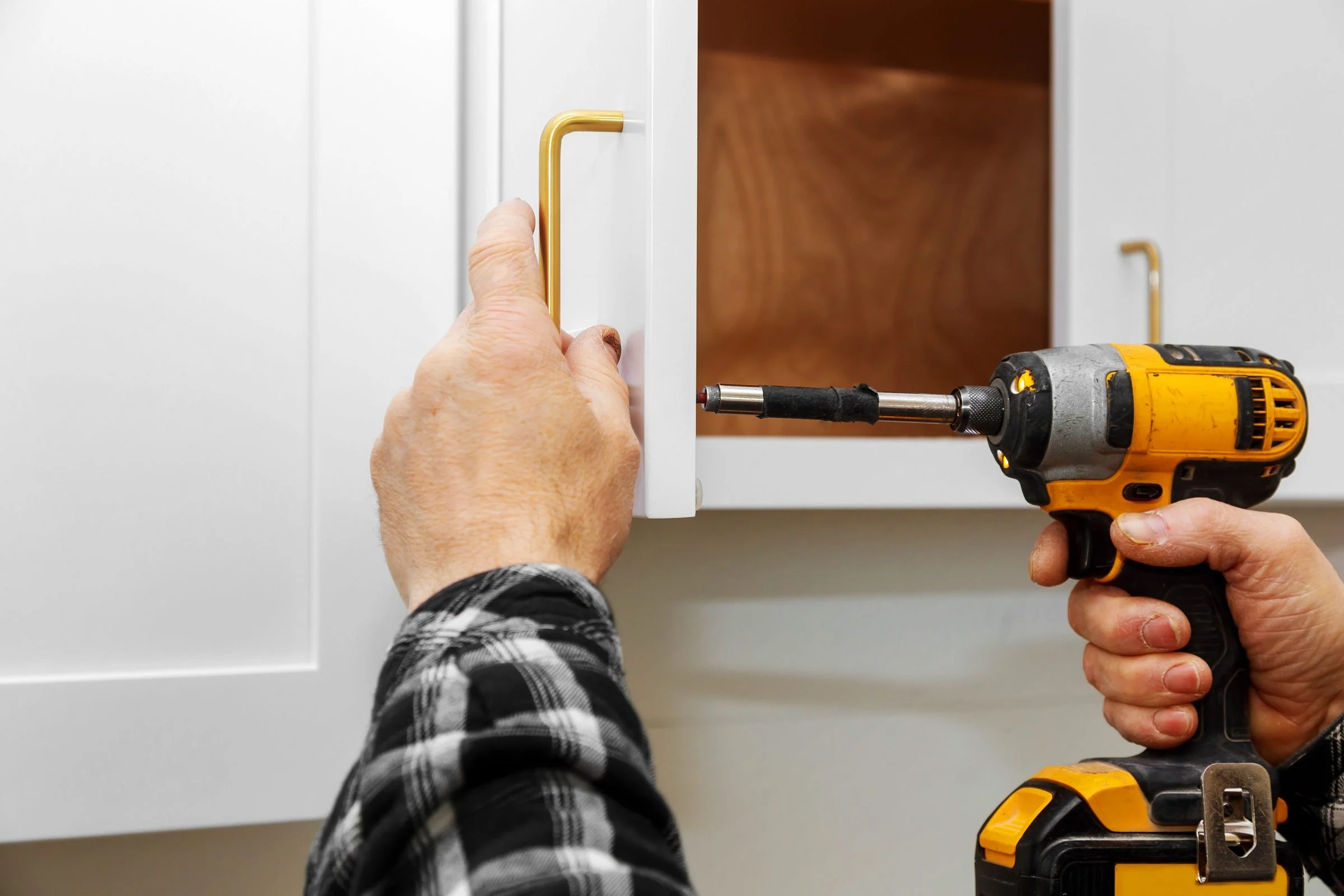
Certainly. Restoration offers a great opportunity for customization. You could opt for new hardware, innovative finishes, or incorporate modern lighting solutions such as motion sensor cabinet lights. These upgrades can dramatically enhance your space’s ambiance and functionality, blending classic charm with contemporary convenience.
FAQs About Cabinet Restoration for Insect-Damaged Cabinets
Most wood cabinets can be restored, provided the damage isn’t structural or irreparable. An expert assessment can determine whether restoration is feasible or if replacement is preferable.
The duration varies based on the extent of damage, size of the cabinets, and chosen treatments. Generally, a standard restoration project can take from a few days to several weeks to complete properly.
Professional restoration aims to preserve the original aesthetic whenever possible. Custom refinishing allows you to either restore the classic look or update to a contemporary style.
Restoring preserves your existing investment, maintains historical or design consistency, and is often more environmentally sustainable. It provides an opportunity to refresh your space without the cost and waste associated with full replacement.
Conclusion: Embracing a Thoughtful Approach to Restoring Insect-Damaged Cabinets
In the journey of home improvement, understanding the depth and nuance of cabinet restoration for insect-damaged cabinets guides you toward sustainable and aesthetically pleasing solutions. Recognizing early signs of damage, consulting with expert restorers, and committing to ongoing maintenance all contribute to preserving your home's character and functionality for years to come. In this contemplative process, each restored cabinet echoes stories of resilience, craftsmanship, and renewed beauty.







:max_bytes(150000):strip_icc()/TAL-the-star-frisco-texas-FRISCOTX0223-5fb5e2ddde5a431e8072e46cbc504b63.jpg)


