How Complete Cabinet Restoration Works: A Step-by-Step Guide
If your kitchen or bathroom cabinets look tired, worn, or outdated, a complete cabinet restoration can make a world of difference. Restoring cabinets is more than just slapping on a coat of paint—it's a thorough process that brings them back to life, both in appearance and function. Here’s a practical look at how professionals handle a full cabinet restoration, so you know what to expect if you’re considering this project for your Allen, TX home.
What’s Involved in a Complete Cabinet Restoration?
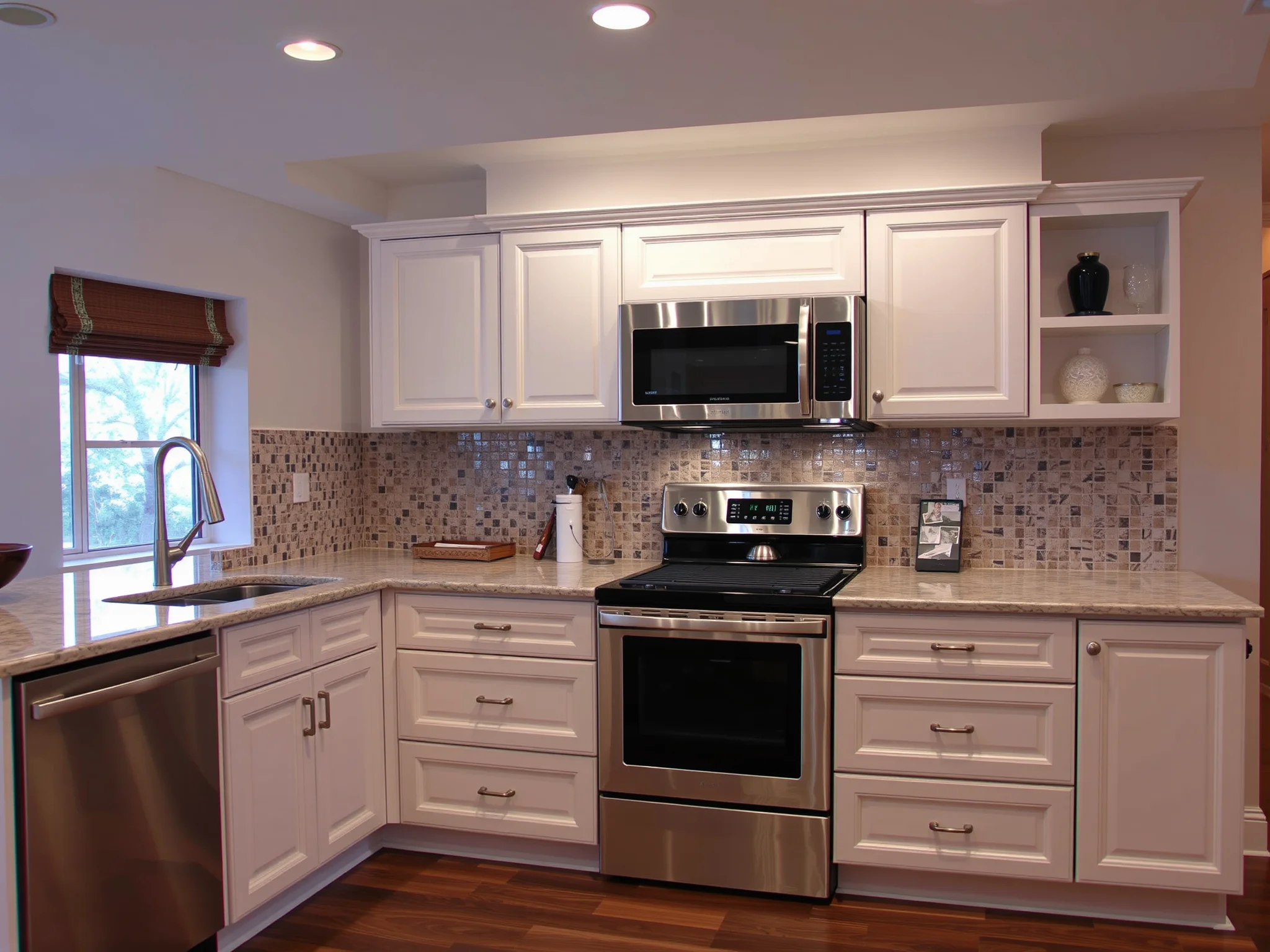
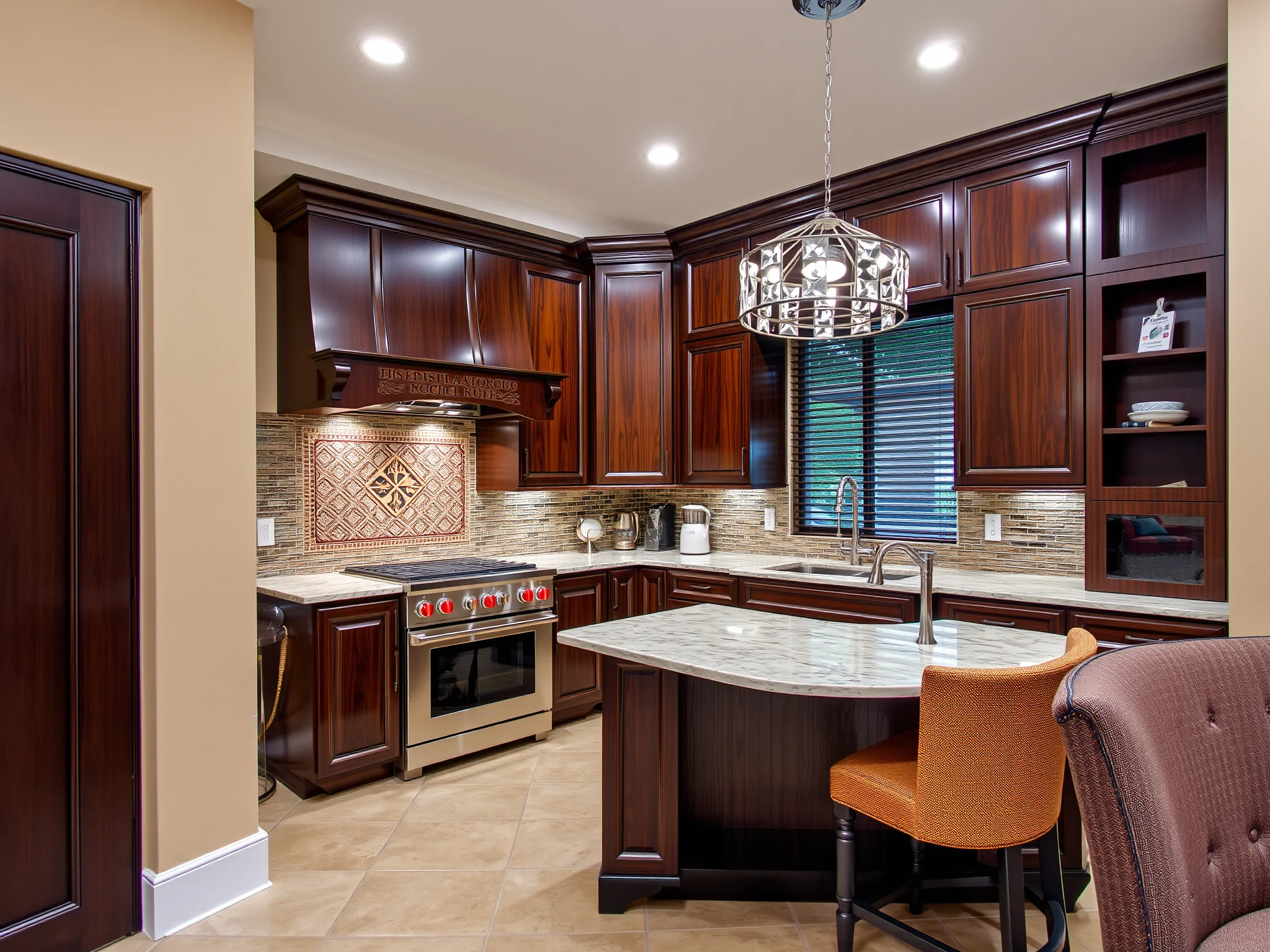
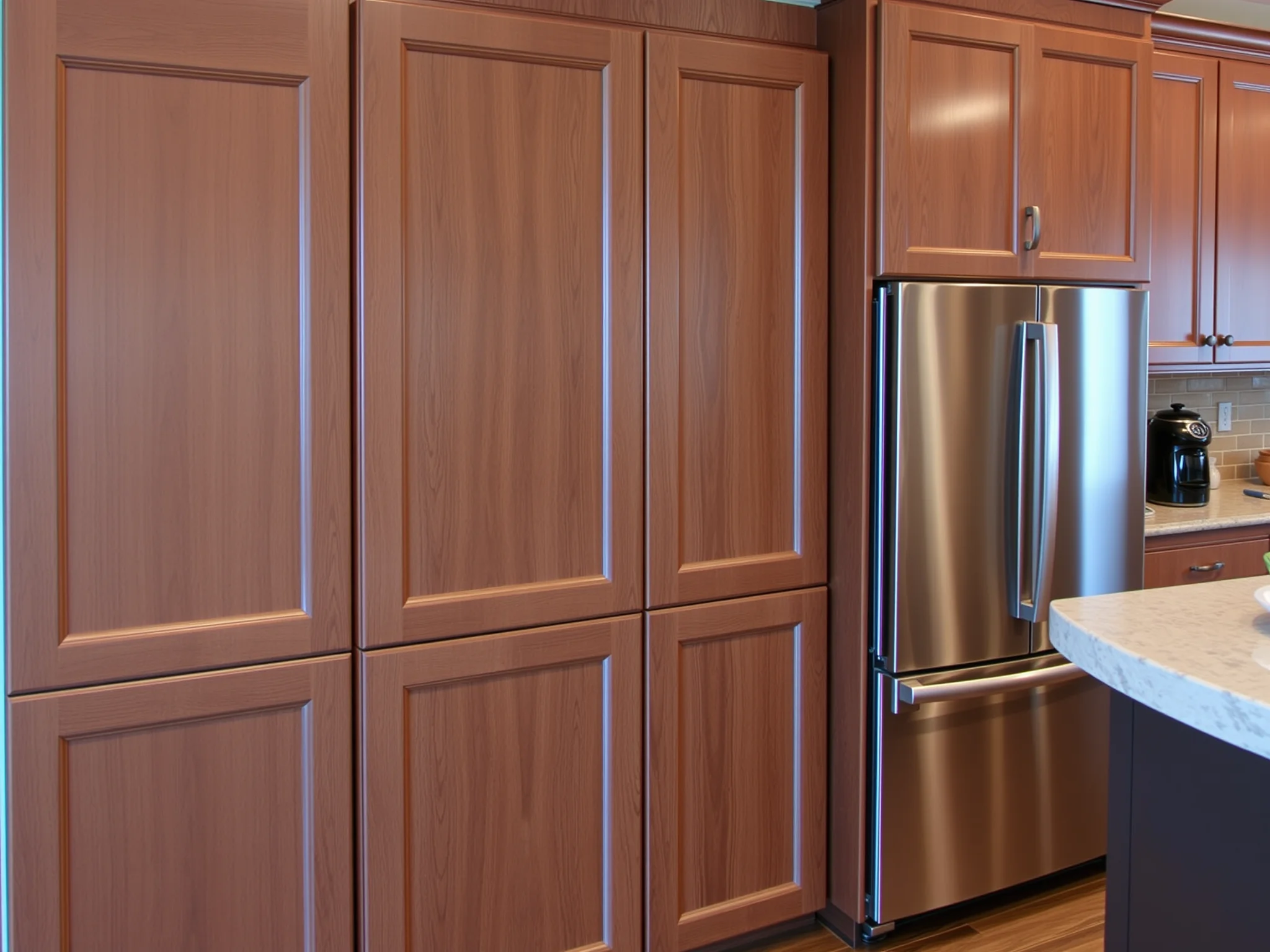
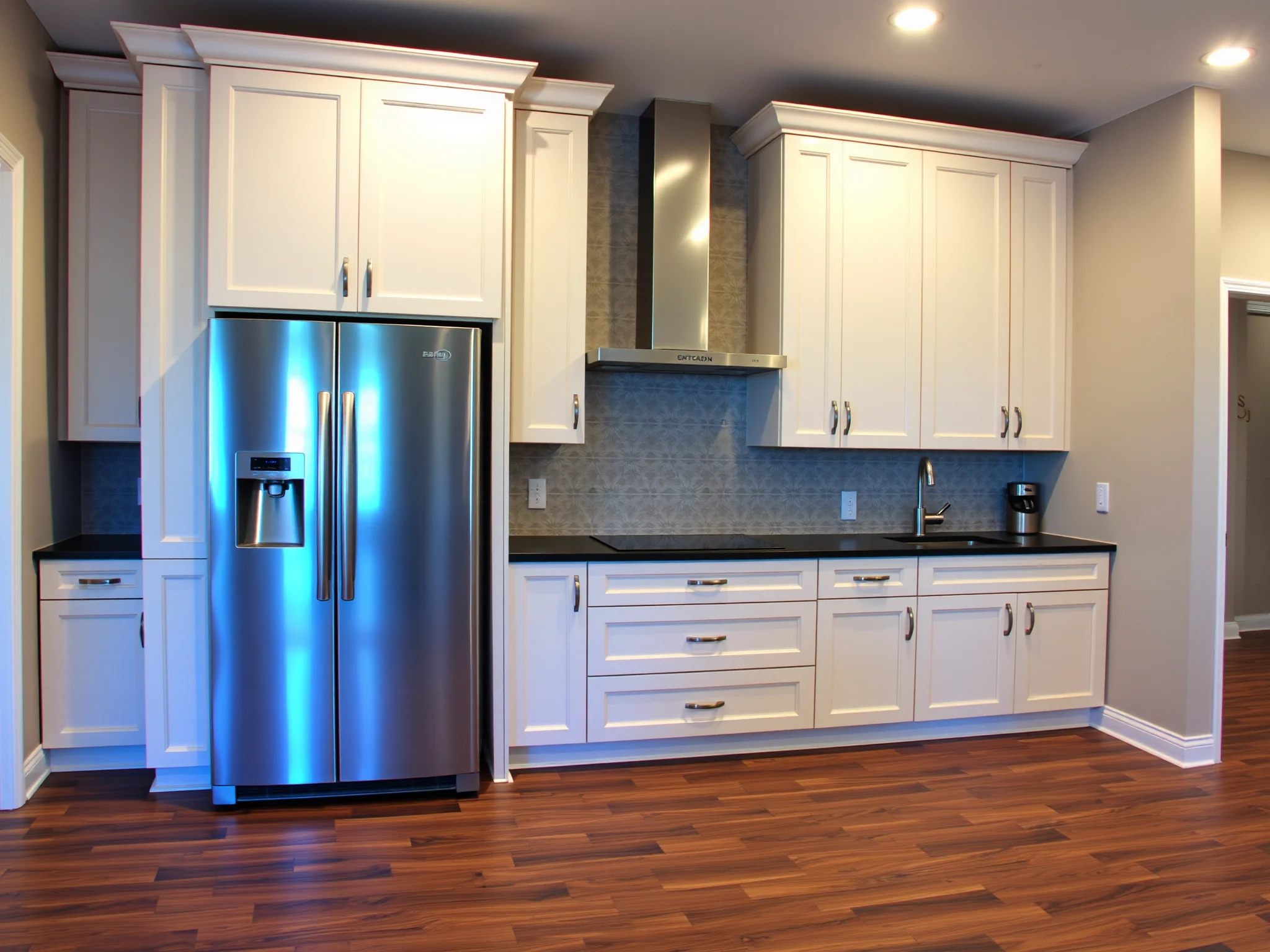
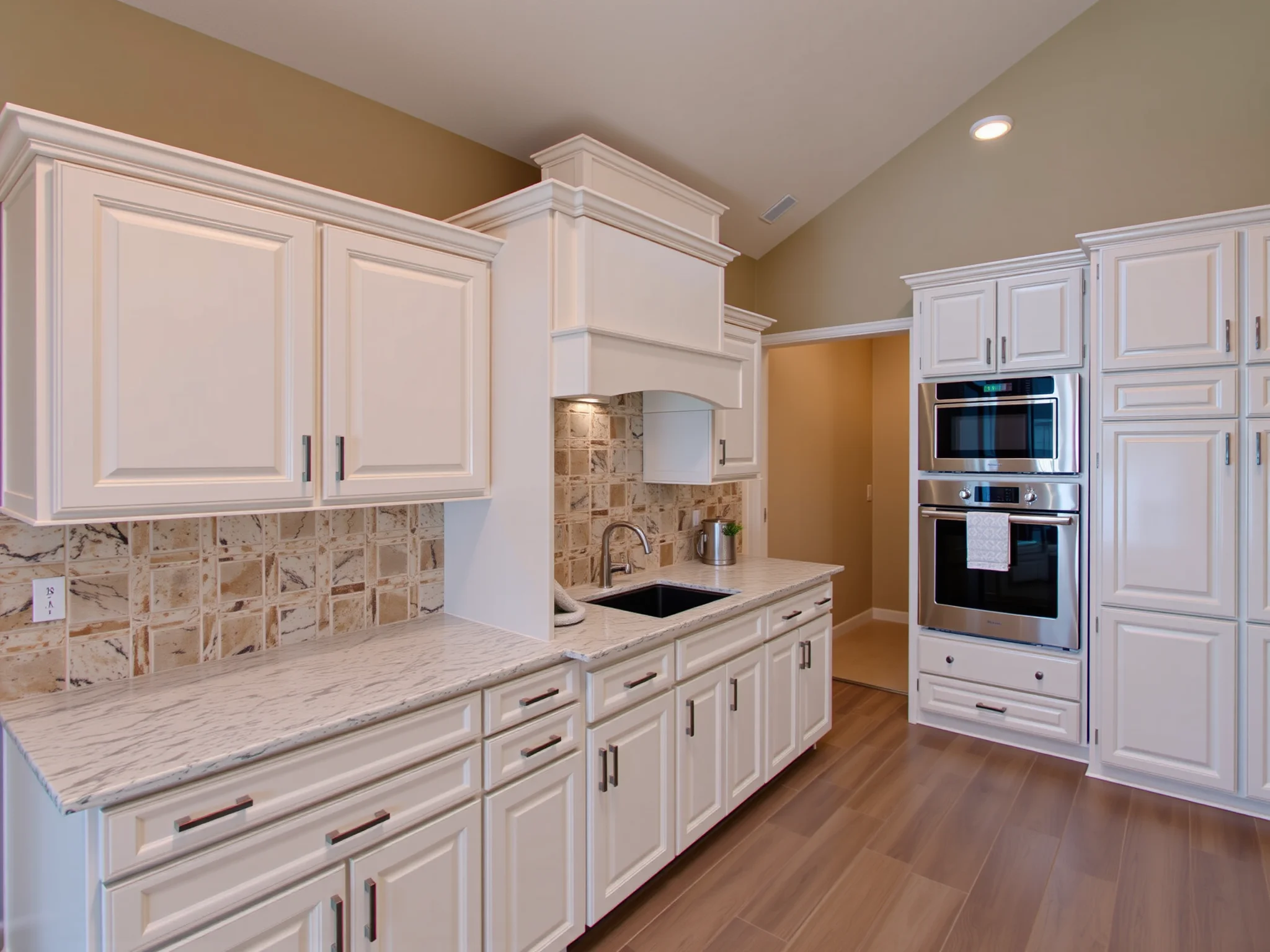
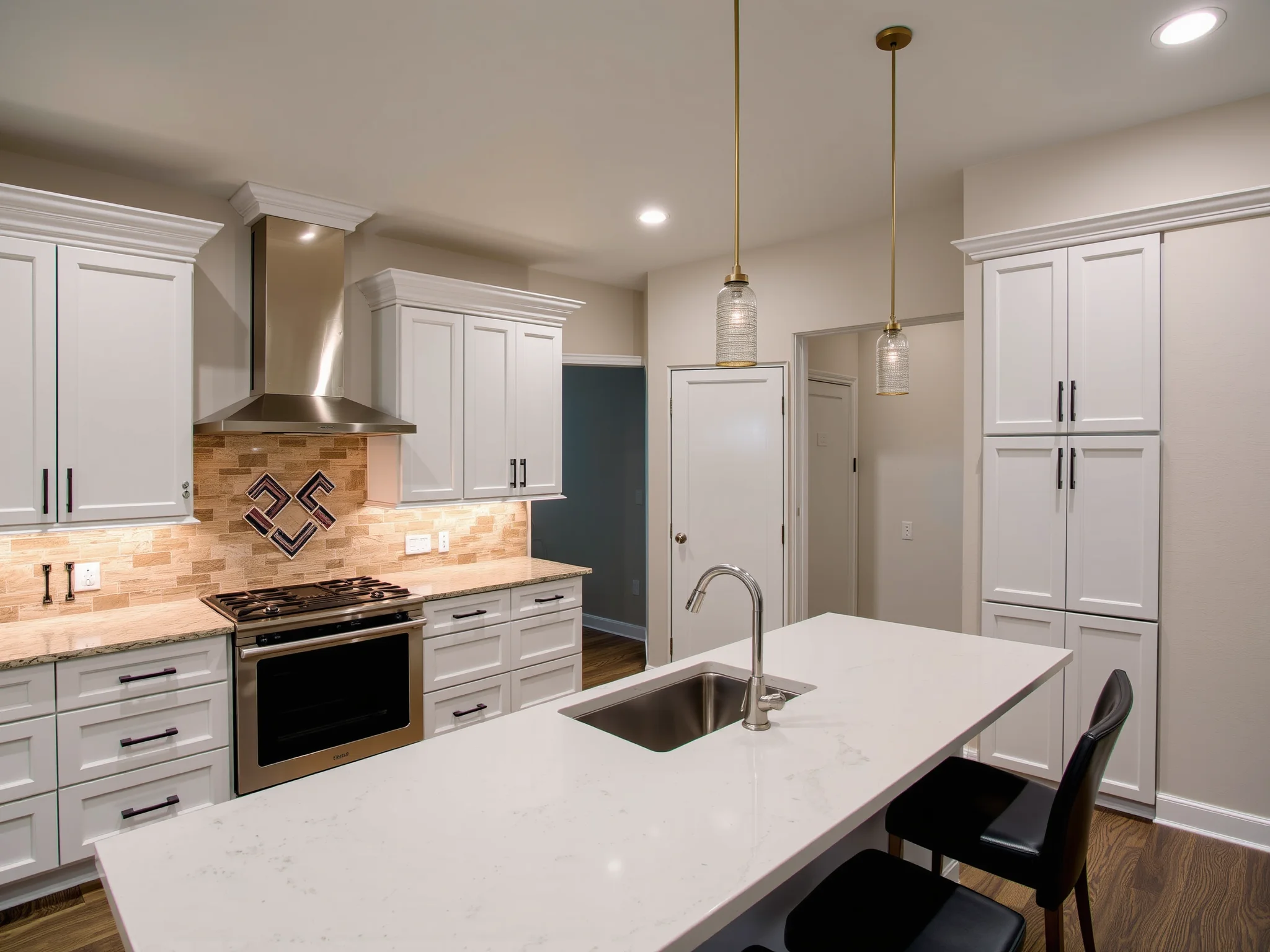
Complete cabinet restoration covers much more than just the surface. The process addresses cosmetic upgrades, repairs, and functional improvements. It typically includes deep cleaning, repairing structural issues, replacing or updating cabinet doors and hardware, refinishing or repainting surfaces, and sometimes upgrading storage or lighting. The goal is to achieve cabinets that look fresh, work smoothly, and fit your needs.
How Are Cabinets Prepared for Restoration?
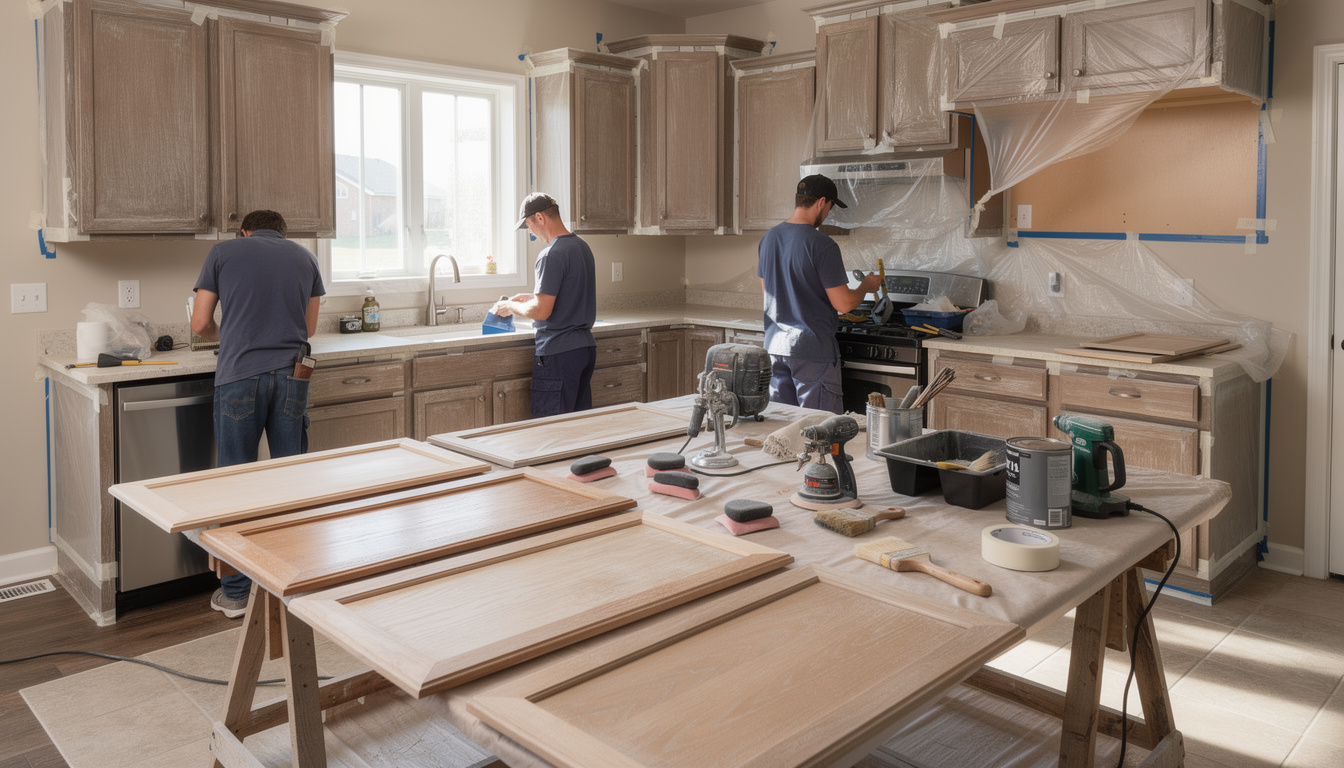
The first step is preparation. Technicians remove all cabinet doors, drawer fronts, shelves, and hardware. The cabinet boxes and all parts get a thorough cleaning to remove grease, dirt, and old finish. This ensures new finishes adhere well and helps spot any hidden damage. Protective coverings are placed over counters, floors, and appliances to keep dust and debris contained during the process.
What Repairs and Modifications Are Made?
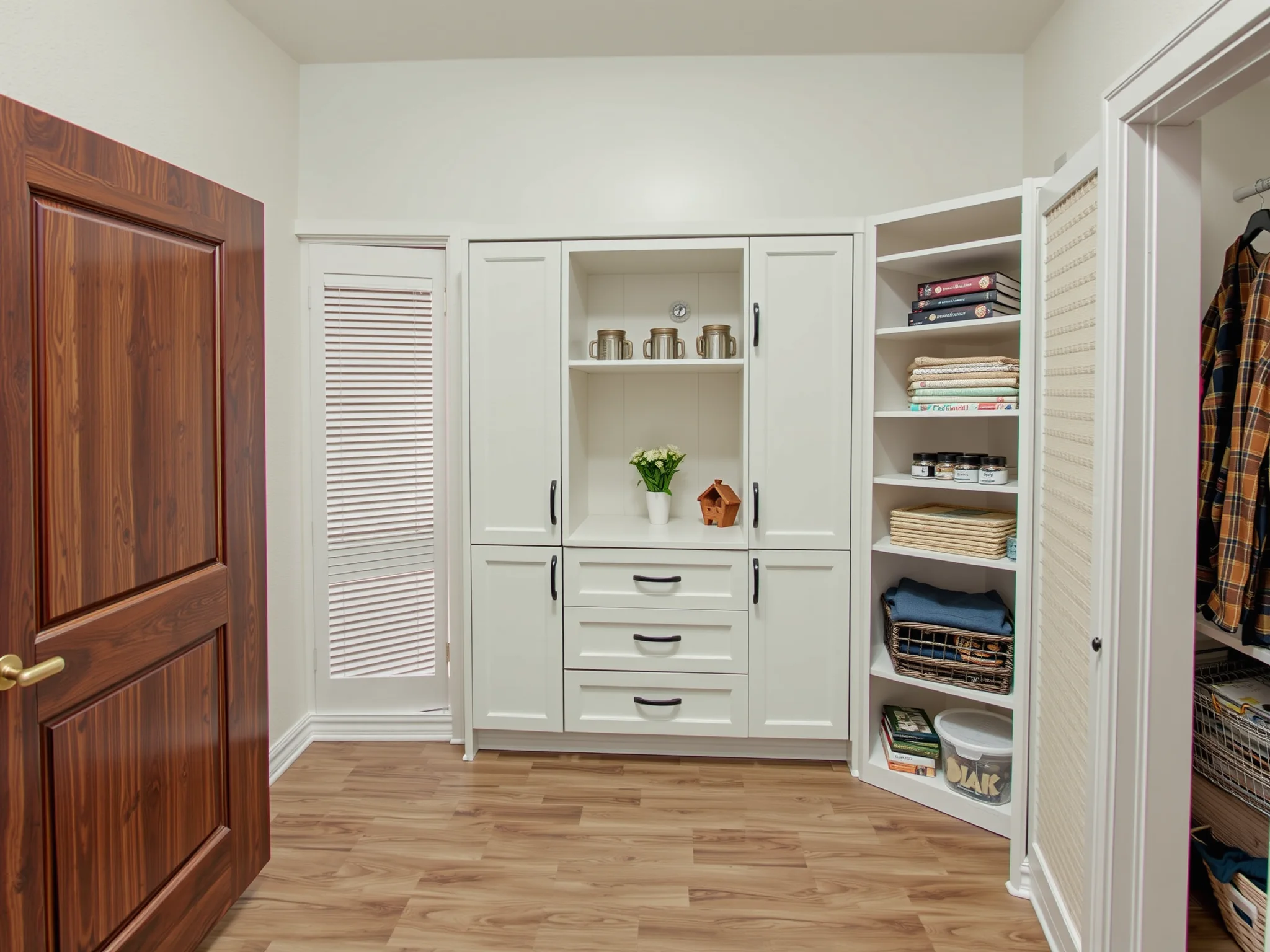
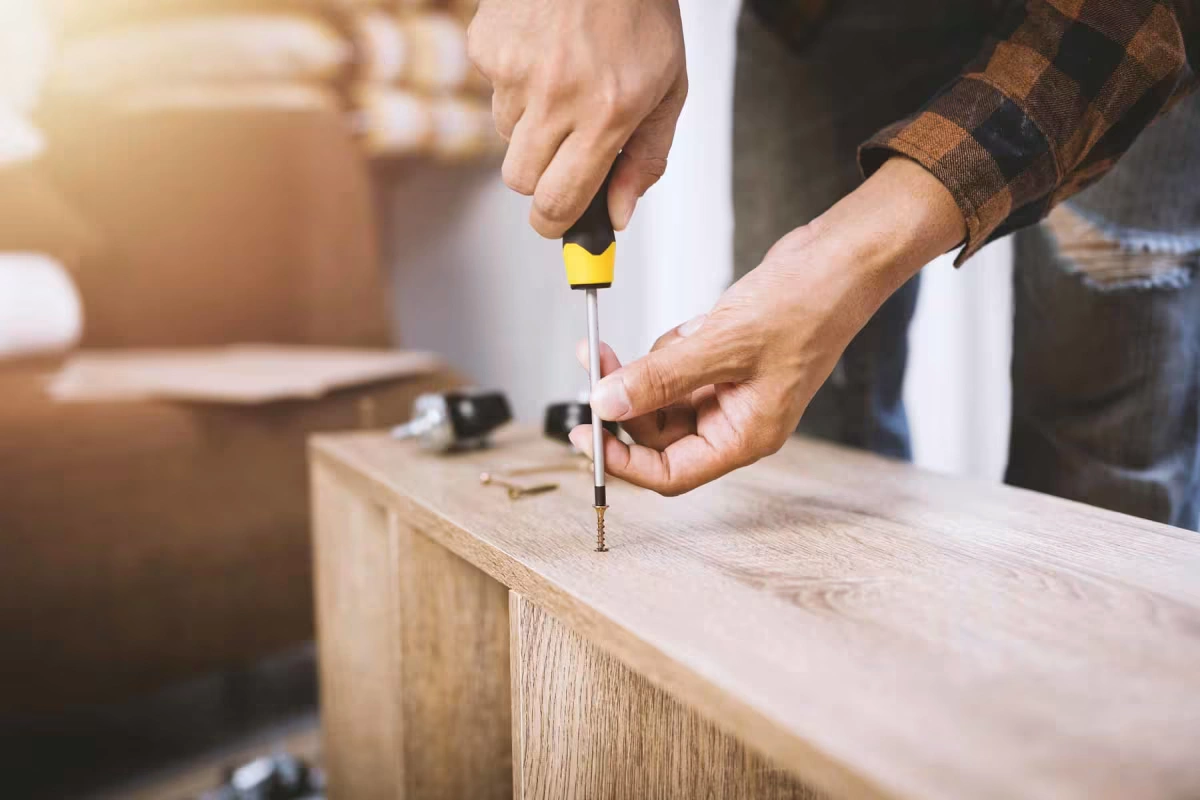
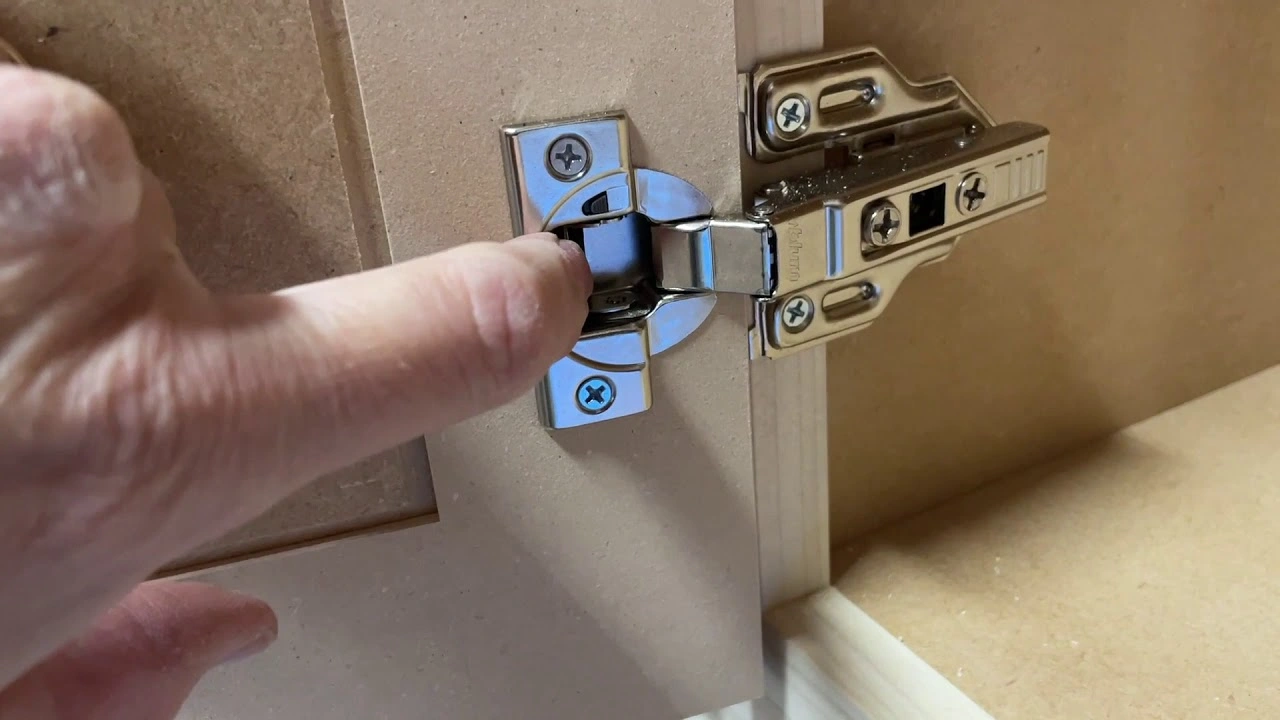
After cleaning, cabinets are inspected closely for damage—think loose hinges, warped doors, dents, water stains, or sagging shelves. Repairs might include tightening or replacing hinges, filling scratches and dents, reinforcing shelves, or even replacing warped doors and drawer fronts. If you want upgrades, this is the stage to add soft-close hinges, new drawer guides, or custom storage solutions like pull-outs or organizers. Sometimes, homeowners opt for modifications such as adding glass inserts, extra shelving, or converting cabinets for better appliance fit.
How Are Cabinets Refinished or Repainted?
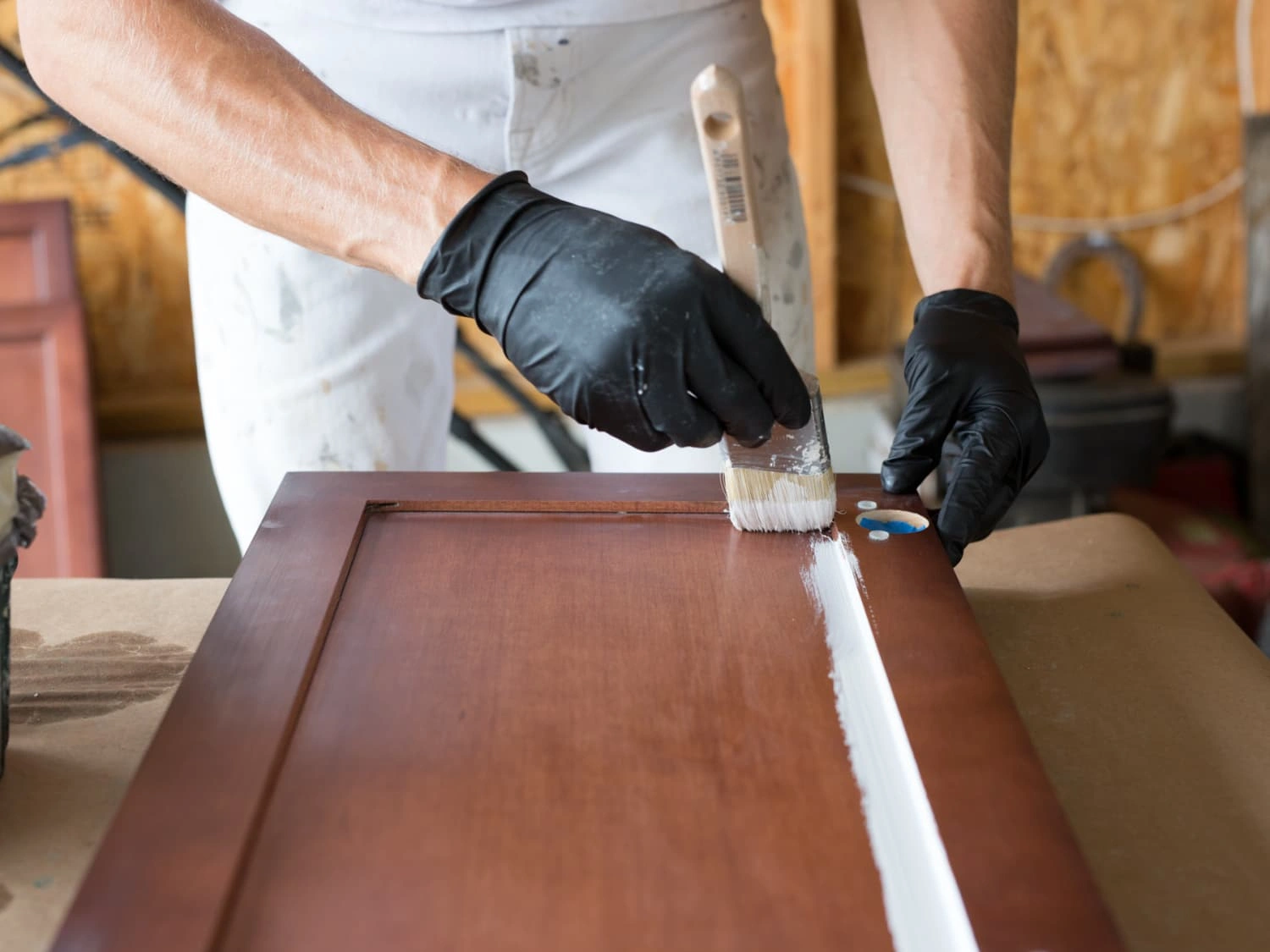
Once repairs are complete, surfaces are prepped for refinishing. This can mean sanding down old finishes, applying wood filler where needed, and cleaning again to remove dust. For a stained finish, technicians apply a new stain and sealant to bring out the wood’s natural beauty. For painted cabinets, a high-quality primer is used, followed by several coats of durable cabinet paint. Paint is usually applied with a sprayer for a smooth, factory-like finish, but some areas may require hand work for detail. Between coats, surfaces are lightly sanded to ensure a flawless end result.
What About Hardware, Lighting, and Final Touches?
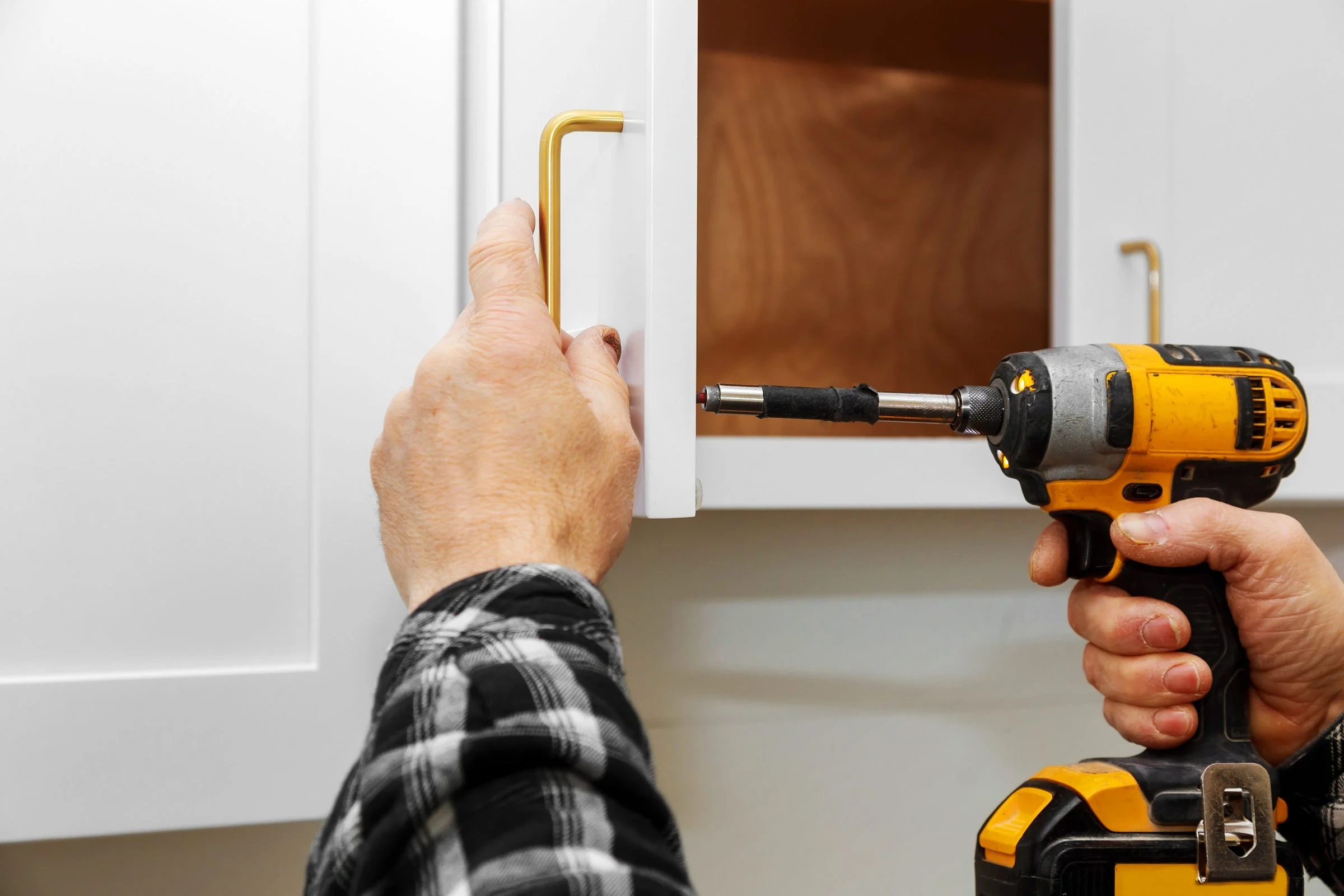
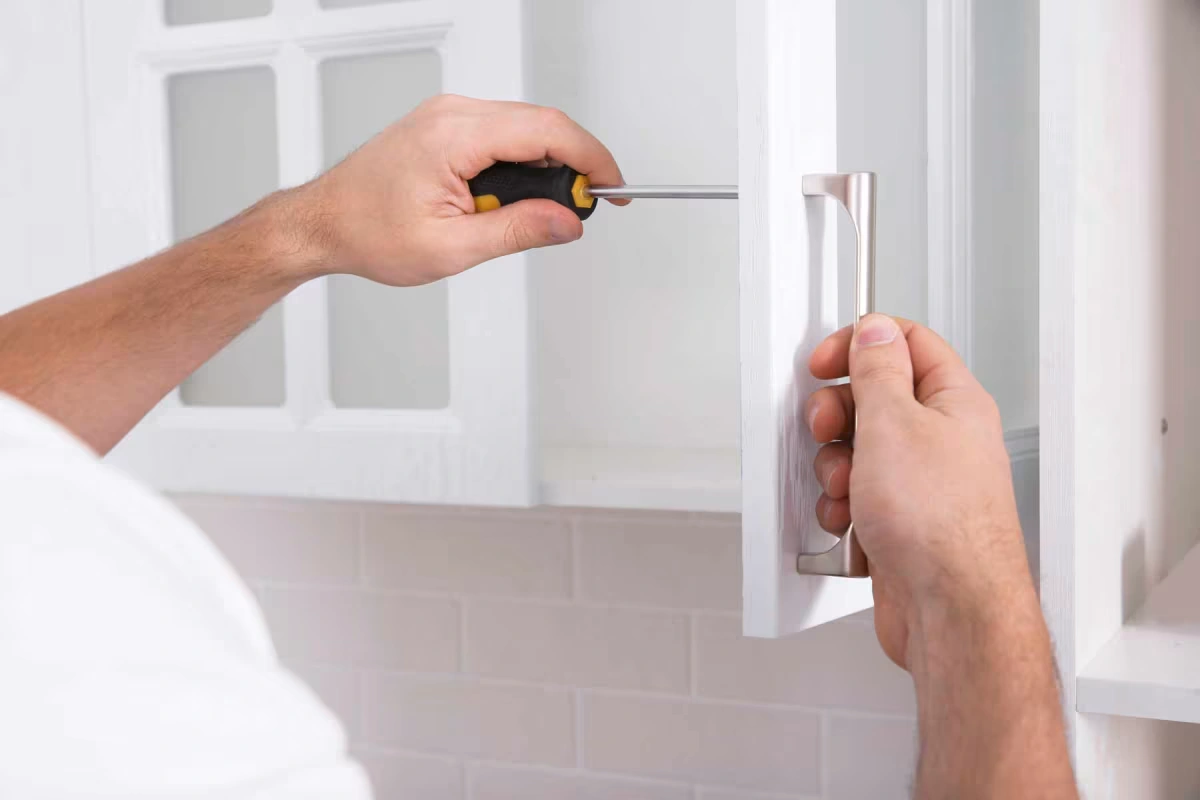
After the finish dries and cures, new or cleaned hardware is installed. This is when you can upgrade knobs, handles, and pulls for a new look. Technicians can also install soft-close hinges and drawer glides for smoother operation. If you’re adding under-cabinet lighting or interior lighting, it’s typically installed now. The last step is reinstalling all doors, drawer fronts, and shelves, adjusting everything for proper alignment and smooth operation. Final touch-ups are made, and the entire area is cleaned before the project is considered finished.
How Long Does Cabinet Restoration Take?
The timeline for complete cabinet restoration depends on the size of your kitchen or bath, the extent of repairs or modifications, and the type of finish you choose. On average, a full kitchen can take anywhere from a few days to a week or more. Drying and curing times for stains and paints are important—rushing this step can affect durability. Your contractor should provide a clear schedule and keep you informed throughout the process.
Frequently Asked Questions
Will cabinet restoration fix water damage or deep scratches?
Most minor water damage and scratches can be repaired during the restoration process using wood filler, sanding, and refinishing. More severe damage might require replacing affected doors, panels, or hardware. An experienced technician will assess what can be repaired and what needs replacing before starting work.
Can I change the style or color of my cabinets during restoration?
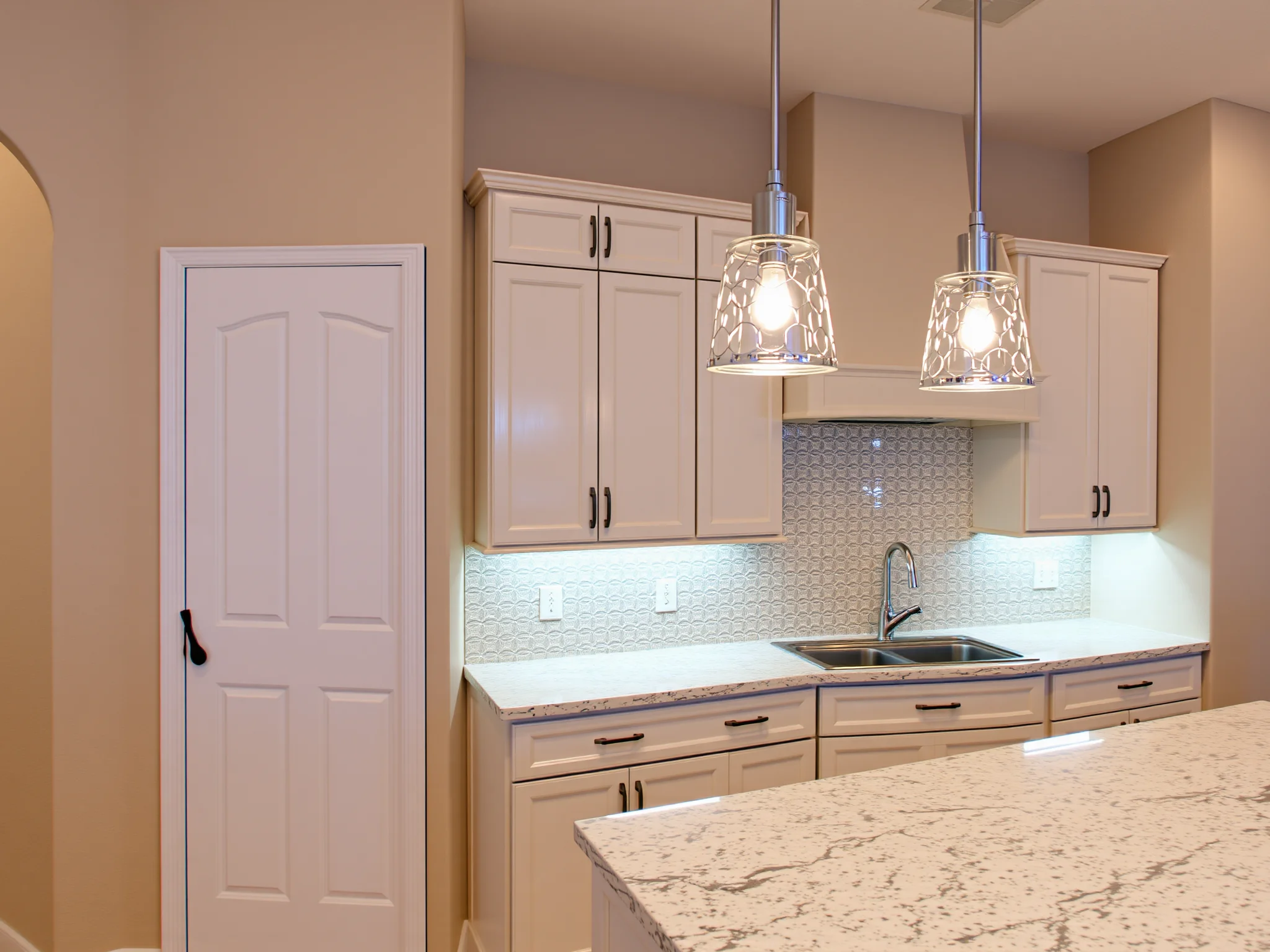
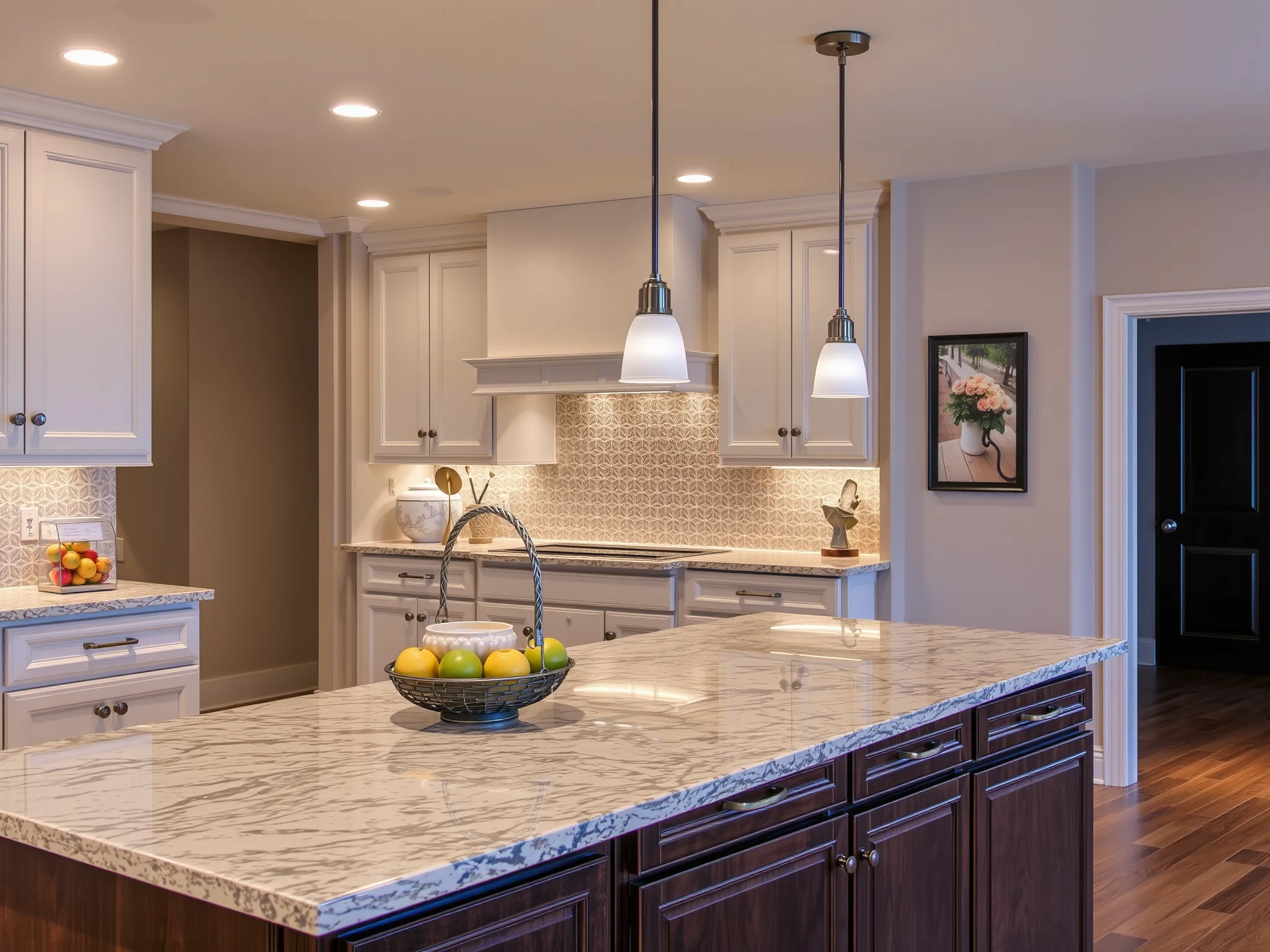
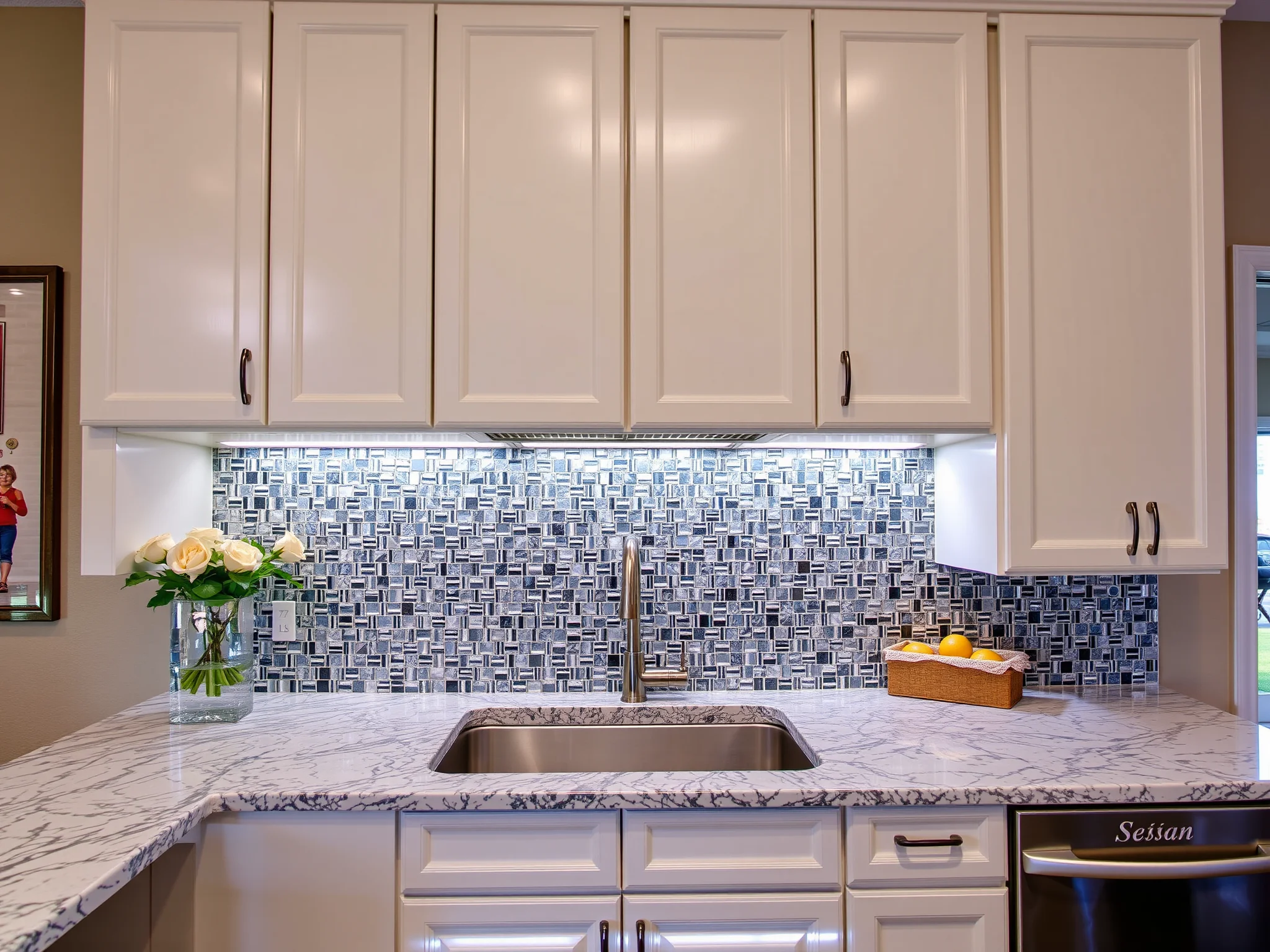
Yes, restoration is the perfect time to update your cabinet style or color. You can switch from stained to painted finishes, choose a new color, or even update the door and drawer front profiles for a fresh look. Many homeowners in Allen, TX take this opportunity to modernize their kitchens while keeping costs down compared to full replacement.
Is cabinet restoration less disruptive than replacing cabinets?
Restoration is usually less invasive and disruptive than a total cabinet replacement. Most of the work can be done on-site, and you won’t have to deal with major demolition or extended downtime in your kitchen or bath. A professional crew will contain dust and protect your home throughout the process.
How do I maintain my restored cabinets?
After restoration, keep your cabinets looking great by wiping spills promptly, cleaning surfaces with mild soap and water, and avoiding harsh chemicals or abrasive pads. Regularly check hardware for looseness and adjust as needed to keep doors and drawers operating smoothly.
If you’re considering restoring your cabinets in the Allen, TX area, getting the job done right means a kitchen or bathroom you’ll enjoy for years. Reach out to discuss your project and see how a professional cabinet restoration can bring your space back to life.