What to Expect During Your Custom Cabinet Painting Project
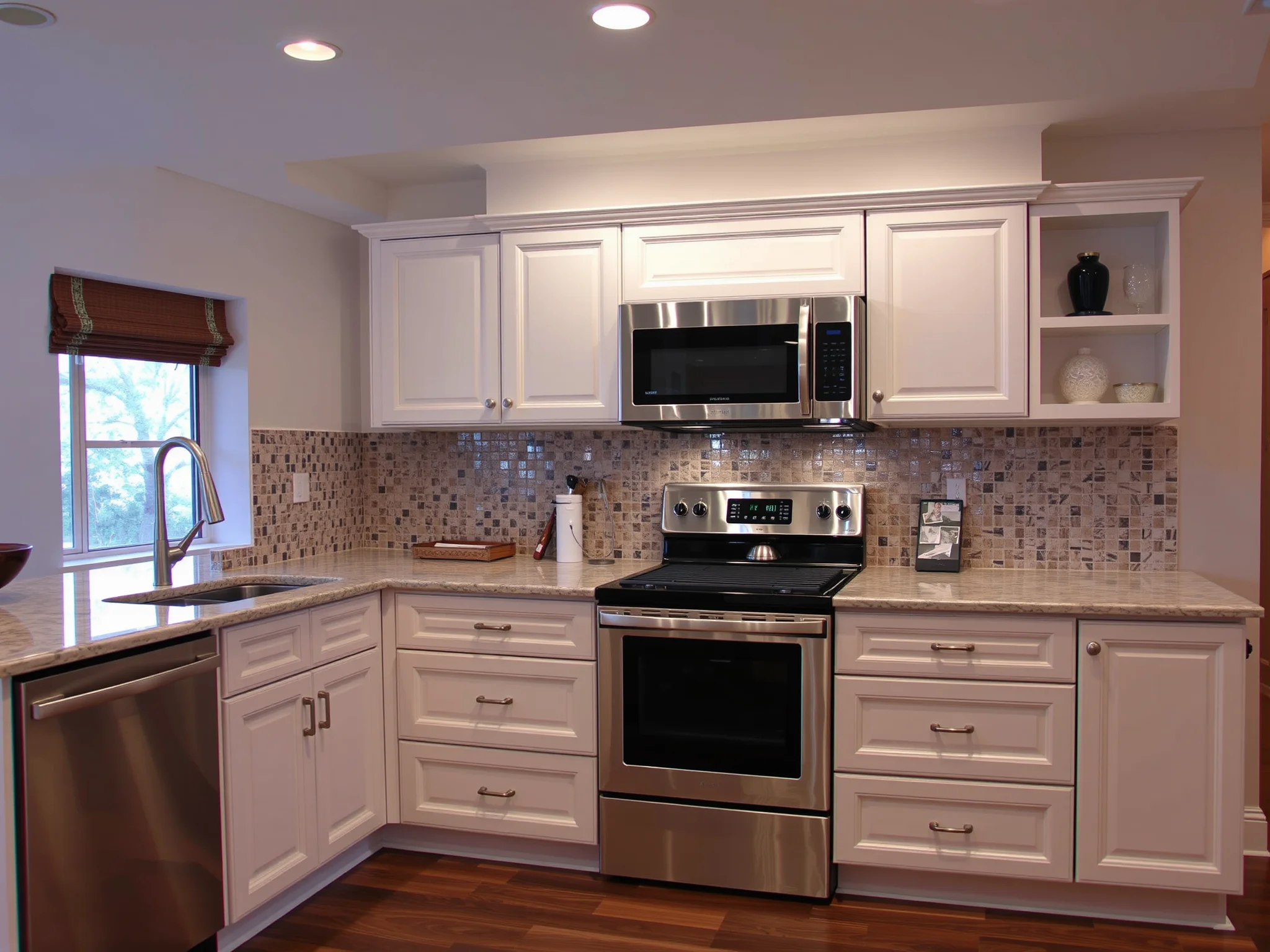
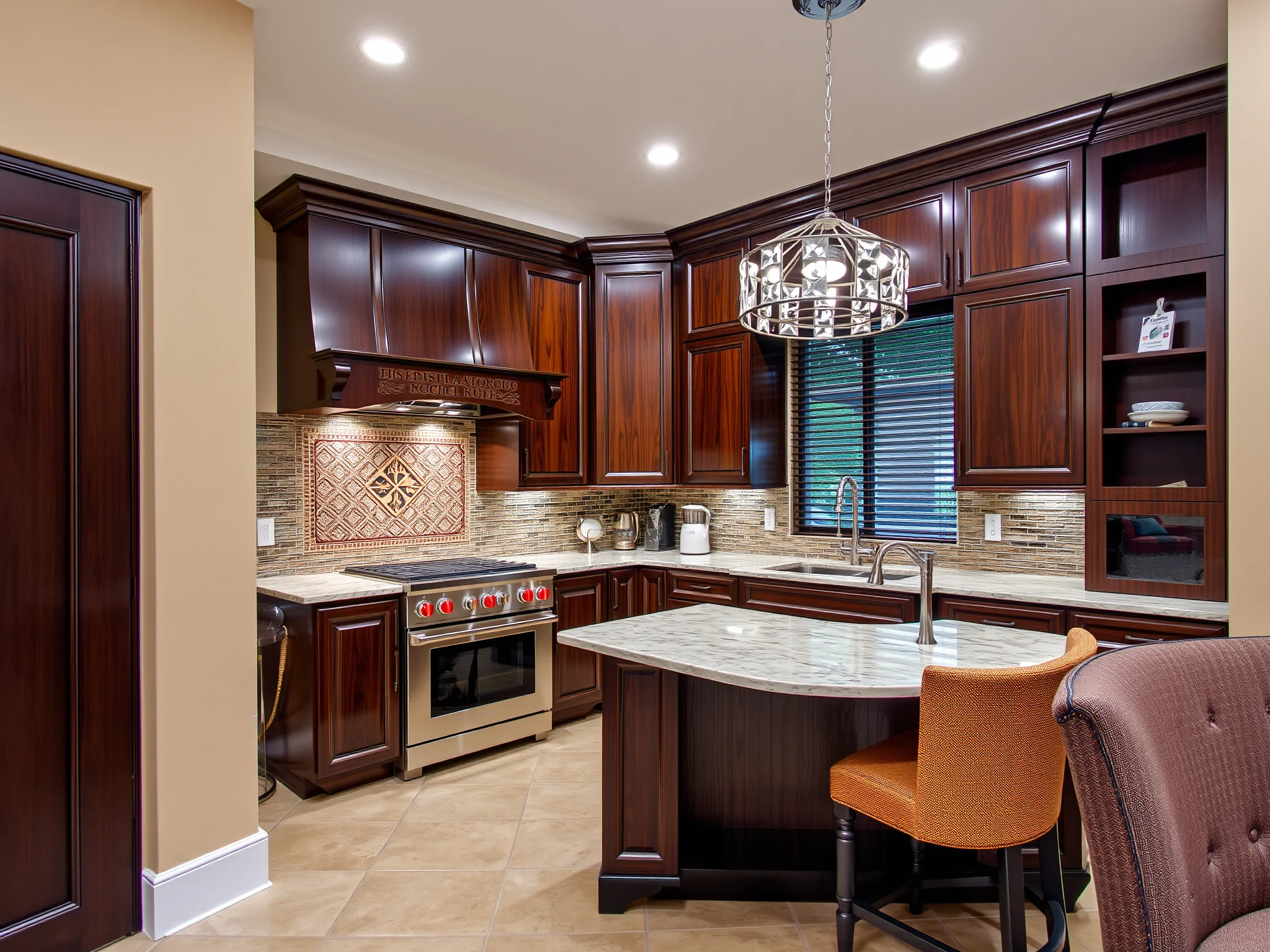
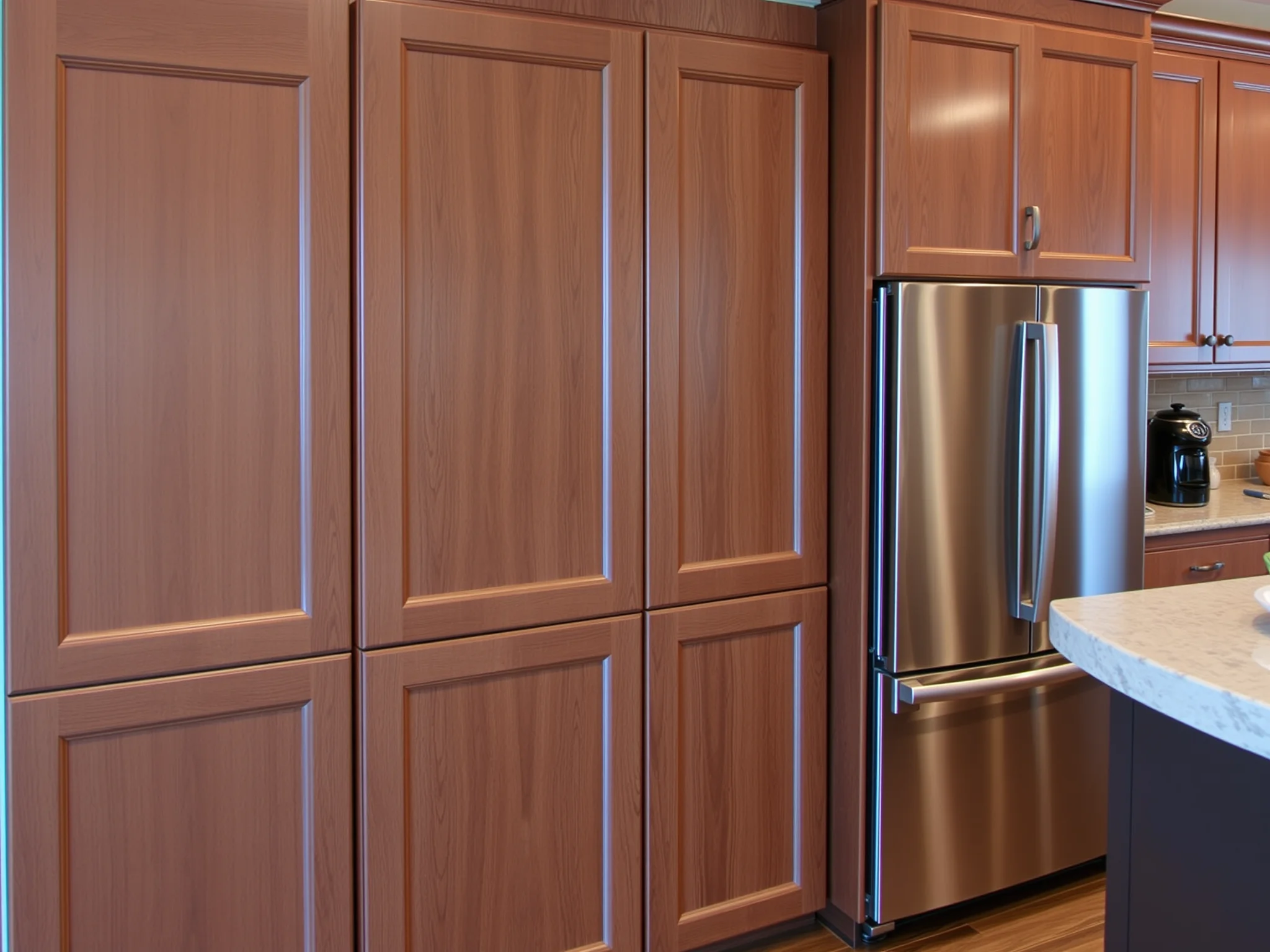
Custom cabinet painting is one of the most effective ways to transform your kitchen or bathroom without a full remodel. If you’re considering a cabinet painting project in your Allen, TX home, it’s helpful to know what the process involves, what you’ll need to do to prepare, and how long it might take. Here’s a clear look at what to expect, step by step.
How do I prepare my home for cabinet painting?
Before the crew arrives, you’ll want to clear out all cabinets, drawers, and countertops. Remove items like dishes, food, cookware, and small appliances. It’s best to relocate anything you’ll need over the next week or so. Most painters will protect your floors and nearby surfaces, but moving furniture and rugs away from the work area is helpful. If you have pets, consider keeping them away from the workspace for safety and to avoid dust or fumes.
What happens on the first day of the project?
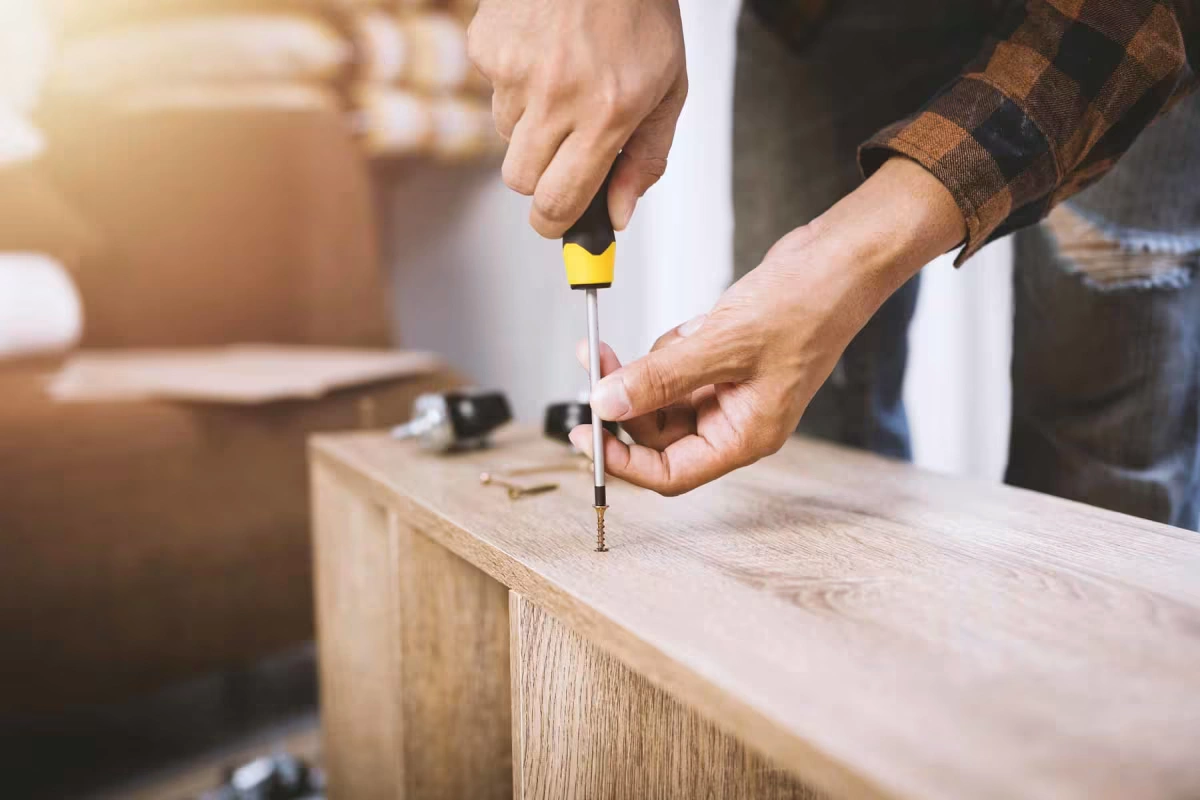
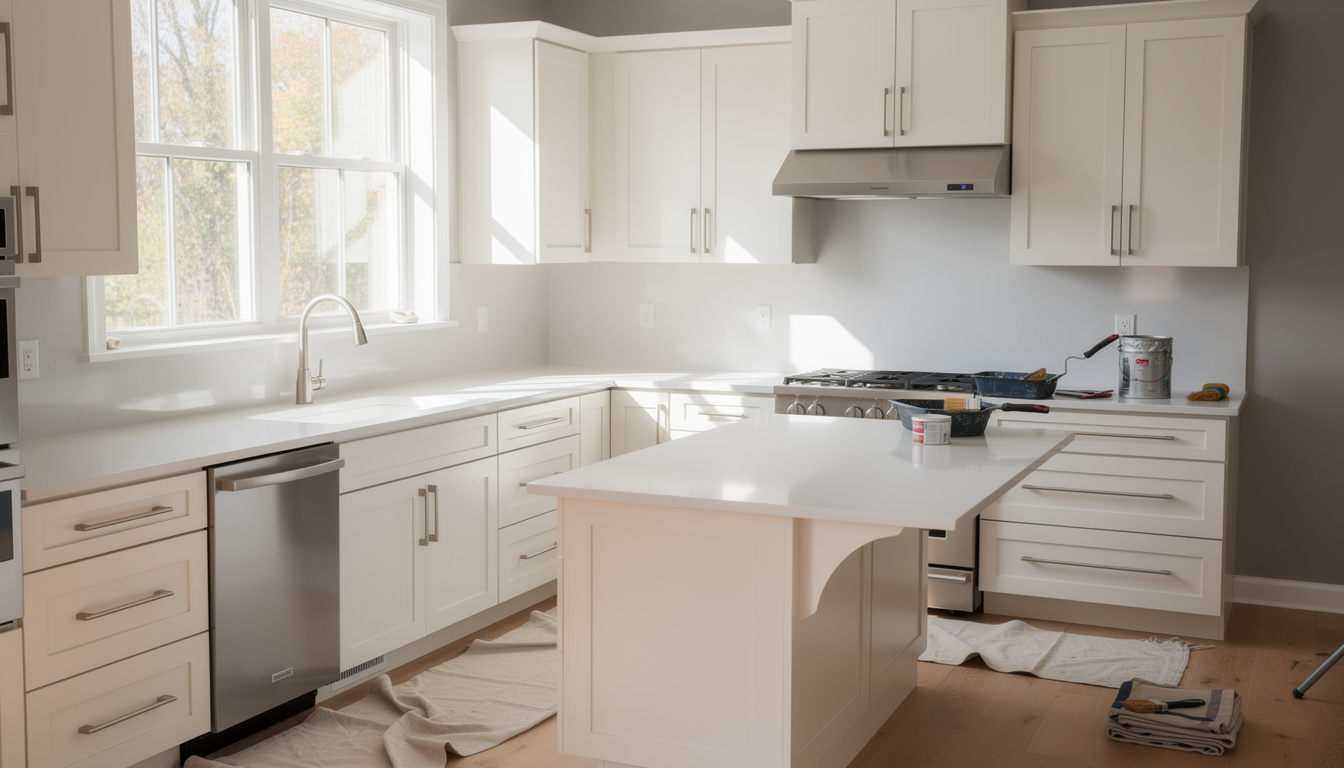
On day one, the team will start by setting up their work area. This usually means taping off floors, walls, appliances, and any surfaces that shouldn’t get paint on them. Dust barriers or plastic sheeting may be installed to minimize mess. Then, all cabinet doors and drawer fronts are removed, labeled, and taken to a designated area for painting—often off-site or in a garage. Hardware like knobs and hinges gets removed and set aside for reuse or replacement.
What kind of prep work is involved before painting?
Good prep is the key to a durable, professional finish. The painters will thoroughly clean all cabinet surfaces to remove grease, oils, and residue. Next comes sanding to smooth out imperfections and help the new paint stick. Damaged spots—like chips or scratches—are patched or filled. Depending on the cabinet material, a primer is applied to create an even base and prevent stains or discoloration from bleeding through. The prep work can take as long as the painting itself, but it’s what makes the final result look great and last.
How are the cabinets actually painted?
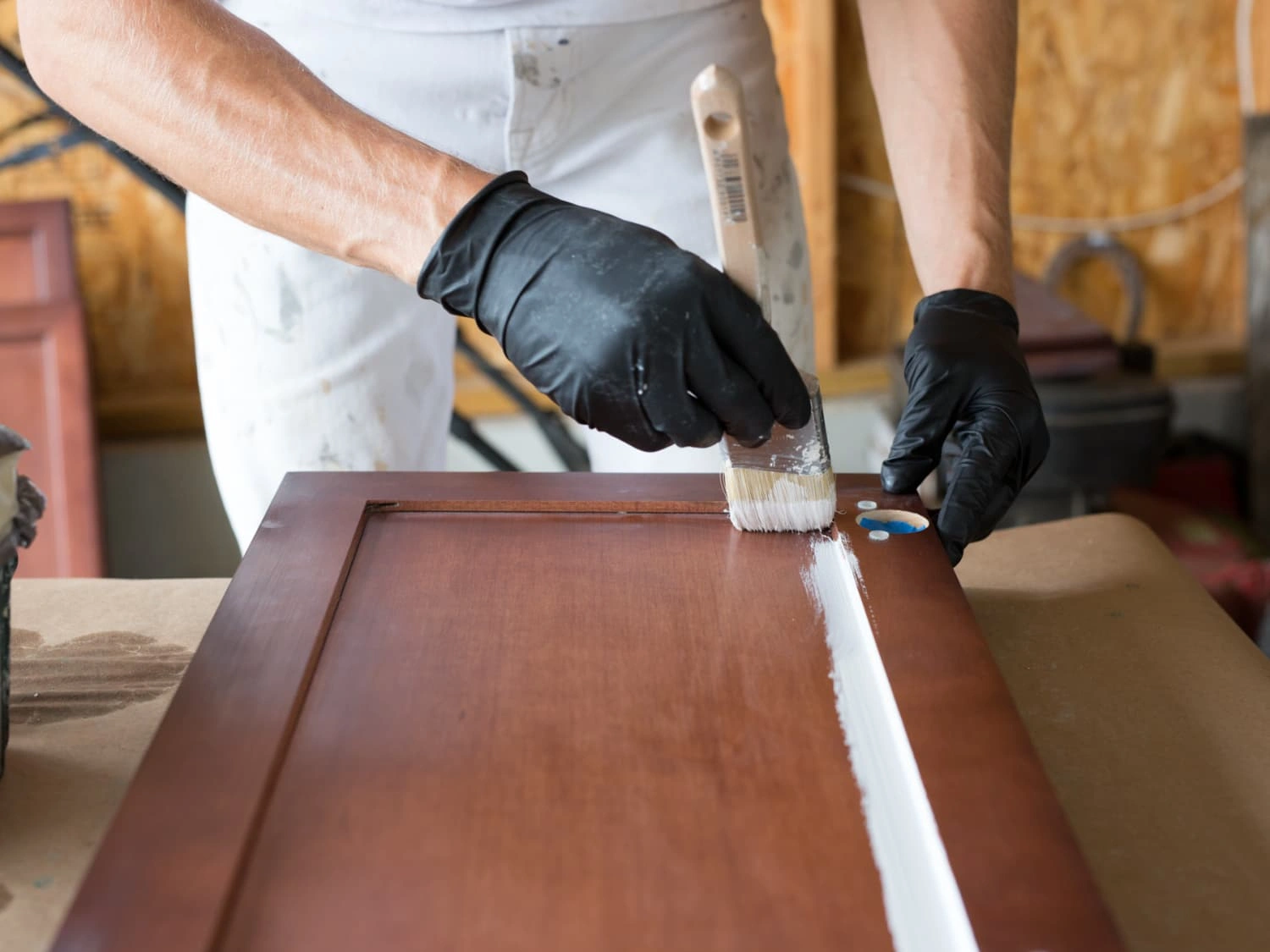
Once everything is prepped, the painting begins. Professionals use either a sprayer, brush, or roller, depending on the project and the look you want. Spraying gives a smooth, factory-like finish, while brushing and rolling can create a more hand-crafted look. Multiple thin coats of paint are applied, allowing proper drying time between each layer. If you’ve chosen a custom color or finish, the crew will show you samples to make sure you’re happy before proceeding with the full application.
What about cabinet hardware and upgrades?
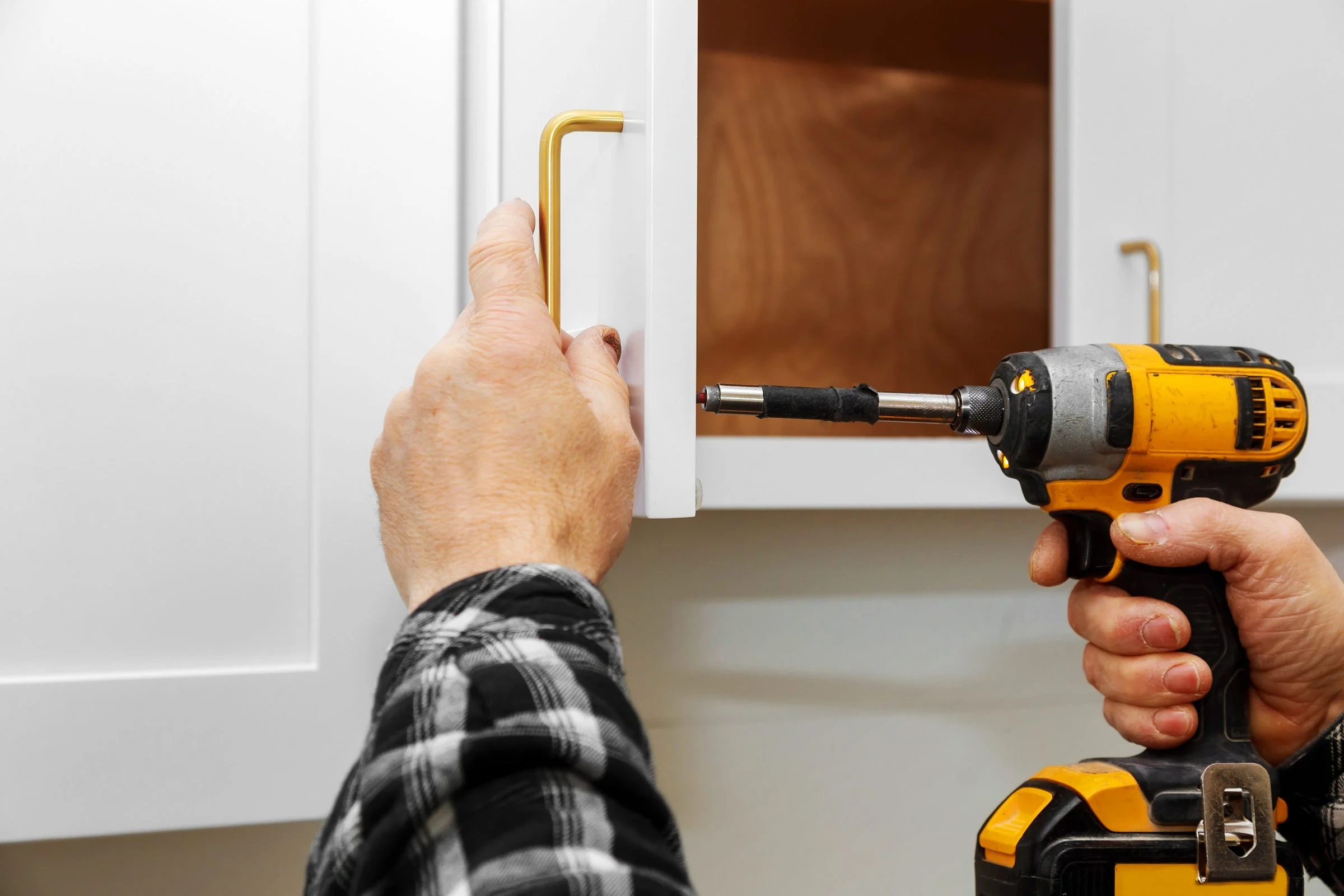
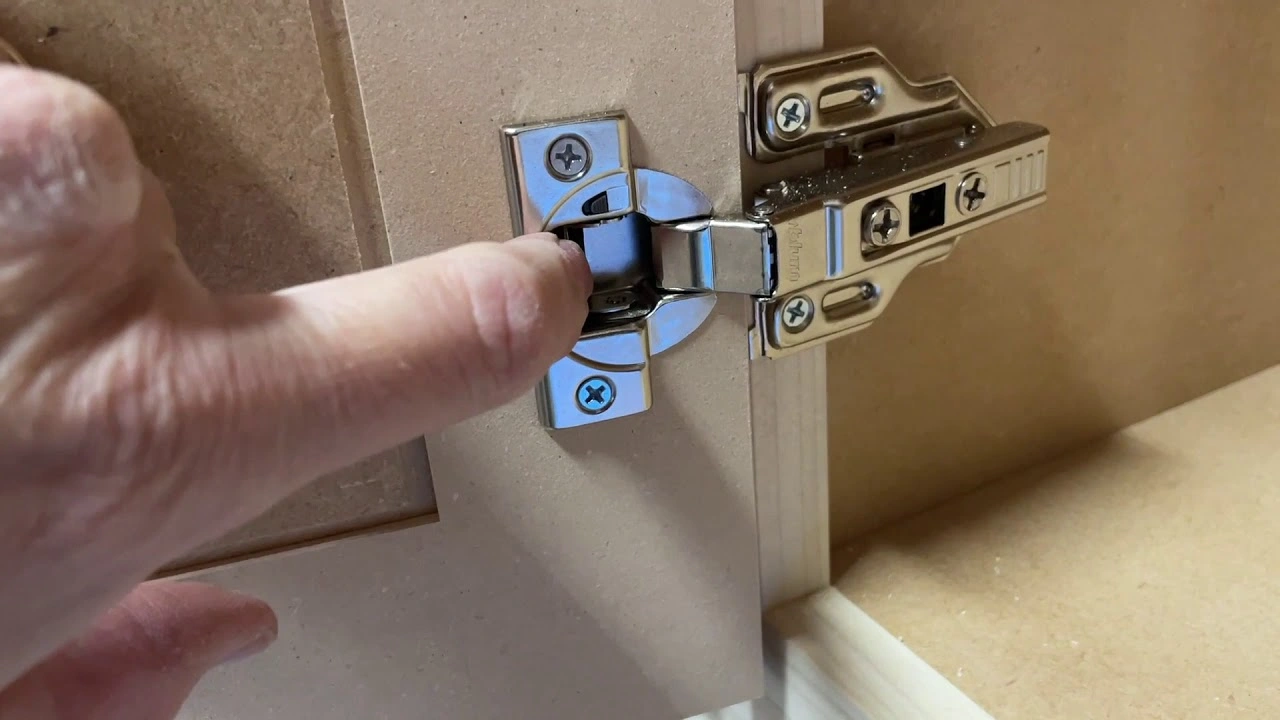
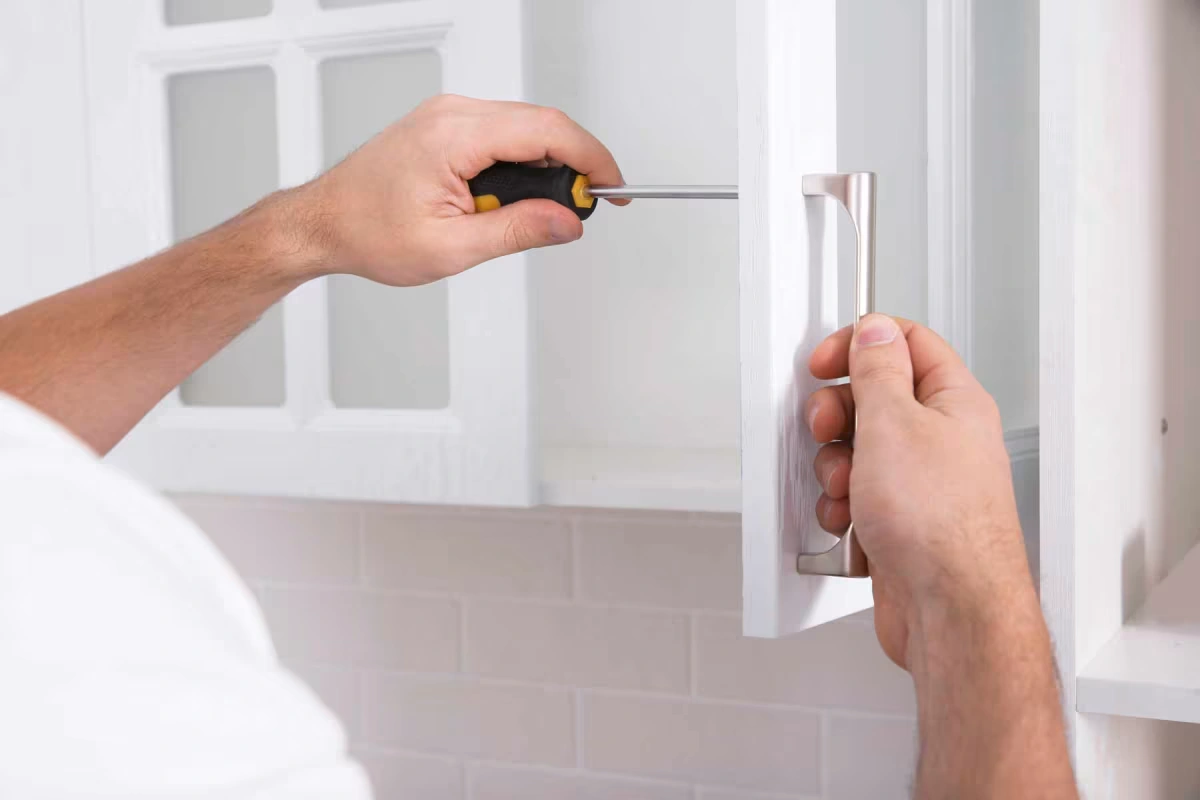
If you’re changing out knobs, pulls, hinges, or adding features like soft-close hinges, these upgrades are usually installed after the paint cures. The crew will drill new holes if needed and ensure everything lines up and operates smoothly. Some homeowners also use this time to update storage solutions or add interior lighting; these modifications can often be combined with your painting project for a complete refresh.
How long will my kitchen be out of commission?
Most cabinet painting projects take anywhere from three to seven days, depending on the size of your kitchen and the scope of work. The first few days are mostly prep and priming, followed by several coats of paint. Doors and drawer fronts may be painted off-site to speed up the process and keep fumes out of your living space. Your kitchen will be partially usable during the project, but it’s best to plan for limited access until everything is reassembled and fully cured.
How is cleanup handled, and what should I expect after the job is done?
After painting is complete and everything is dry, the team will reattach doors, drawers, and hardware. They’ll remove all tape, plastic, and drop cloths, then sweep and wipe down the area. A good refinisher will walk you through the finished project, address any touch-ups, and share tips for caring for your new finish. Most paints reach full hardness in about a week, so it’s smart to handle freshly painted cabinets gently at first.
Frequently Asked Questions
Will there be strong odors or fumes during painting?
Most cabinet paints used today are low-VOC and have minimal odor, especially if spraying or painting is done off-site. Still, there may be a mild smell during application. Good ventilation and dust barriers help keep your home comfortable during the process.
Can I use my kitchen during the project?
You’ll likely have some limited access to your kitchen, but with doors and drawers removed, it can be inconvenient. Plan simple meals, set up a temporary prep area elsewhere, and keep essentials handy until the work is finished.
How do I care for my newly painted cabinets?
Once cured, painted cabinets are durable, but it’s best to avoid harsh cleaners or scrubbing pads. Use a soft cloth and mild soap for routine cleaning. Wipe up spills promptly and avoid hanging wet towels on cabinet doors.
What if I want to change the cabinet layout or add storage?
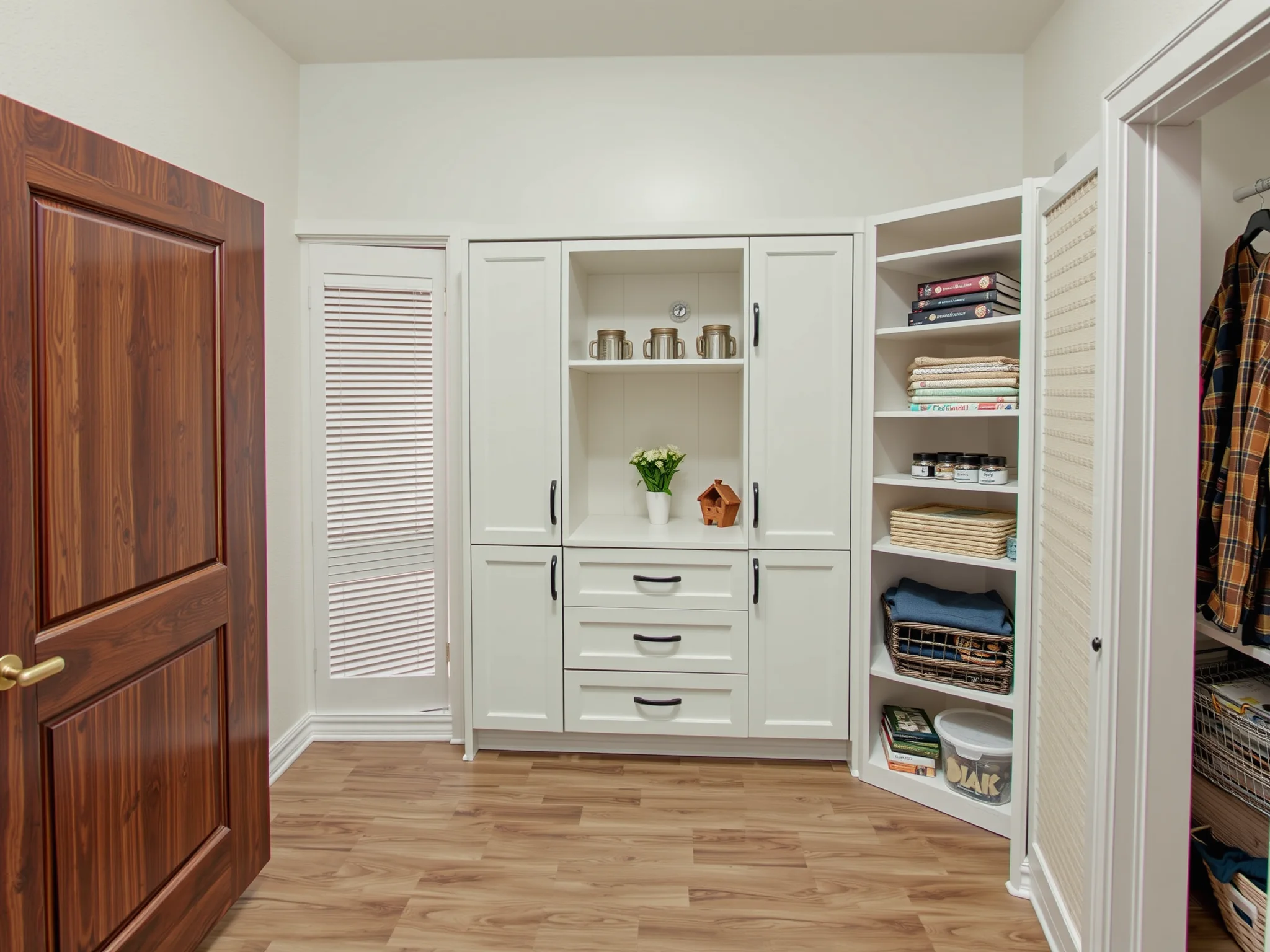
Custom painting projects are a great time to modify your cabinets. Many refinishing crews can add pull-outs, organizers, lighting, or even change the configuration of your cabinets before painting begins. Just mention any changes during your consultation.
If you’re ready to refresh your cabinets or want to discuss options for your Allen, TX home, reach out to Hollywood Cabinet Refinishing. We’re happy to walk you through the process and help you make the most of your space.